Military Base Microgrid Islanding: The 14-Day Mission Continuity Standard
- Microgrids Military & Defense News
numubot
- 1
- 6 minutes read
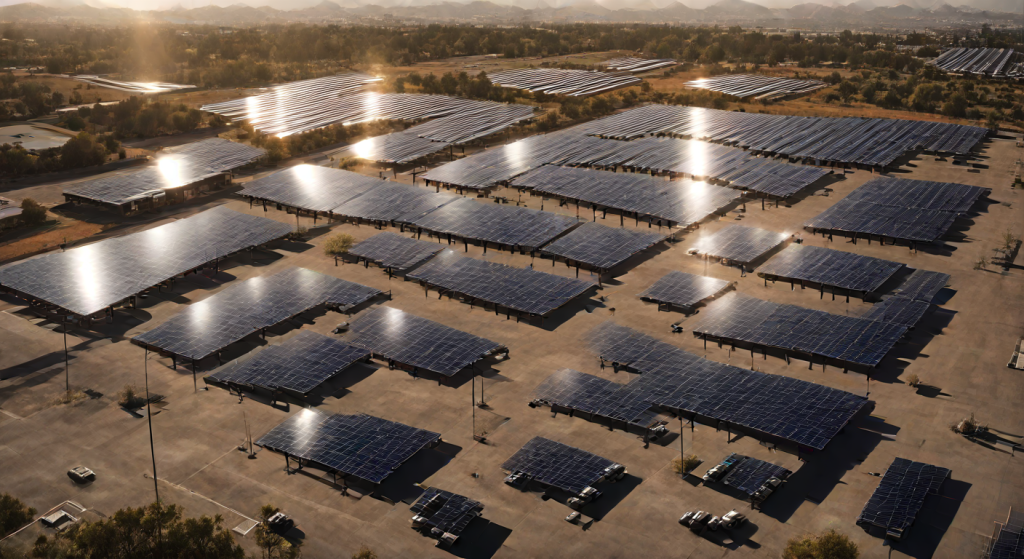
- Duke Energy completed a $22 million microgrid at Camp Lejeune's Camp Johnson facilities in North Carolina in 2025
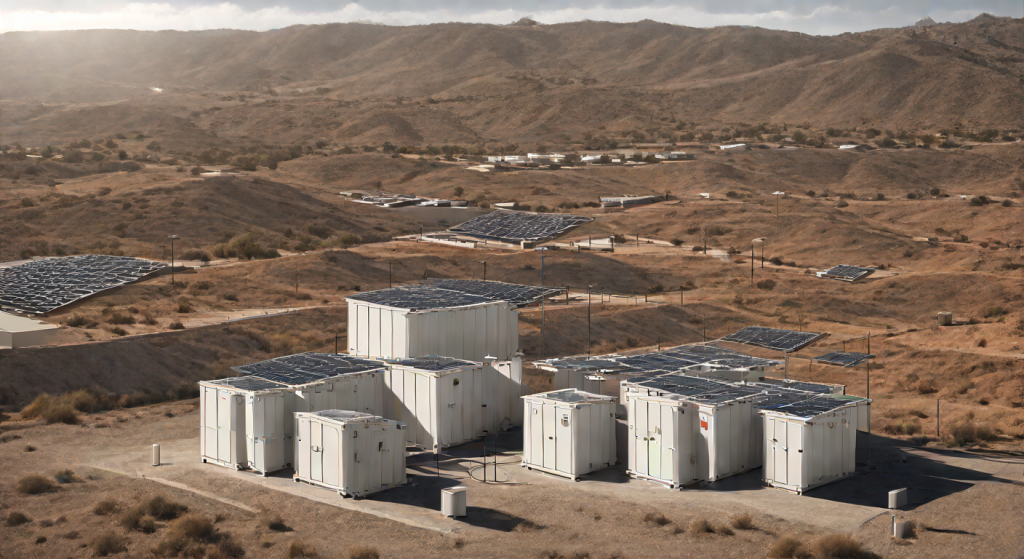
- System includes 5 MW natural gas generation, 5.4 MW battery storage, existing solar, and microgrid controller
- 5.4 MW battery is the largest battery energy storage system in North Carolina
- UFC 3-550-04 (DoD 2024) requires military installation microgrids to sustain critical loads for 14 days minimum
- Camp Johnson supports approximately 14,000 Marine Corps Combat Service Support students annually
Duke Energy completed a $22 million microgrid at Camp Lejeune’s Camp Johnson training facilities in North Carolina in 2025, meeting the Department of Defense’s 14-day islanding standard for mission-critical installations codified in UFC 3-550-04. The system pairs 5 megawatts of natural gas generation with a 5.4 MW battery energy storage system, an existing solar array, and a microgrid controller capable of black-start and full islanding operations.
The DoD 14-Day Standard
UFC 3-550-04, the Unified Facilities Criteria for Resilient Installation Microgrid Design published by the Department of Defense in 2024, establishes the technical framework for military installation microgrids. The standard requires contingency power delivery to critical mission loads for a minimum of 14 days during commercial grid outages caused by natural disasters, cyberattacks, or extended infrastructure failures. The Camp Lejeune system supports approximately 300 acres of Camp Johnson, home to the Marine Corps Combat Service Support Schools with roughly 14,000 enrolled students annually. The 5.4 MW battery installation also became the largest battery energy storage system in North Carolina, providing demand response and grid services to Duke Energy when not in emergency standby mode.
Why Military Bases Need 14-Day Islanding
Military installations operate under power continuity requirements measured in weeks, not hours. FEMA and utility backup standards target 72-hour hospital resilience and 48-hour emergency operations center requirements. DoD installations must maintain training, communications, and logistics operations during grid-down scenarios that coincide with the same disasters or conflicts that activate military response. Camp Lejeune sits on the North Carolina coast, where hurricanes regularly threaten regional grid infrastructure for extended periods. The 14-day islanding capability ensures the largest Marine training installation on the East Coast continues operations regardless of regional grid status following a major storm event.
Critical Analysis
Camp Lejeune Camp Johnson microgrid operates 5.4 MW of grid-forming battery inverters alongside 5 MW synchronous gas generation; during 14-day islanding, the BESS establishes voltage and frequency reference without utility stiffness, governed by IEEE 1547-2018 abnormal operating performance requirements for DER loss-of-mains scenarios. The 5.4 MW BESS, largest battery system in North Carolina, provides demand response and ancillary grid services to Duke Energy during normal operation, reducing local peak demand on the distribution system.
5-Year Projection
By 2031, operational data from facilities like this will become the standard requirement for securing interconnection agreements, as ISOs prioritize proven Battery Storage profiles.
Critical Perspective
Duke Energy’s $22 million Camp Johnson microgrid meets the UFC 3-550-04 14-day islanding standard through a 5 MW natural gas generator — a configuration that satisfies the standard on paper while embedding a pipeline supply dependency that the standard was designed to make irrelevant. The 5.4 MW battery functions as a 3-to-5-hour bridge between grid loss and generator start, not as an independent resilience source; a gas supply disruption during that window leaves the installation without any backup power. DoD’s own 2021 Climate Risk Analysis identified fuel supply disruption — including pipeline vulnerability — as the primary unaddressed risk in natural gas-dependent military installations, a finding that the Camp Johnson design does not appear to have resolved. The question ERCIP program managers should answer: does the $22 million budget include an on-site liquid fuel reserve sufficient to sustain 5 MW generation for 14 days, or does the islanding certification assume uninterrupted gas pipeline pressure?