Army Awards $54.3M Contract for Fort Stewart Microgrid
- Microgrids Military & Defense News
Marin Holt
- 0
- 6 minutes read
- U.S. Army Corps of Engineers awarded a $54.3M ERCIP contract to David Boland, Inc. in January 2024
- Microgrid at Fort Stewart-Hunter Army Airfield (Georgia) pairs 10 MW natural gas with 10 MW solar
- System enables island-mode operation during grid outages, critical for Army readiness
- Project funded under the Energy Resilience and Conservation Investment Program (ERCIP)
- Expected to reach operational status by 2029
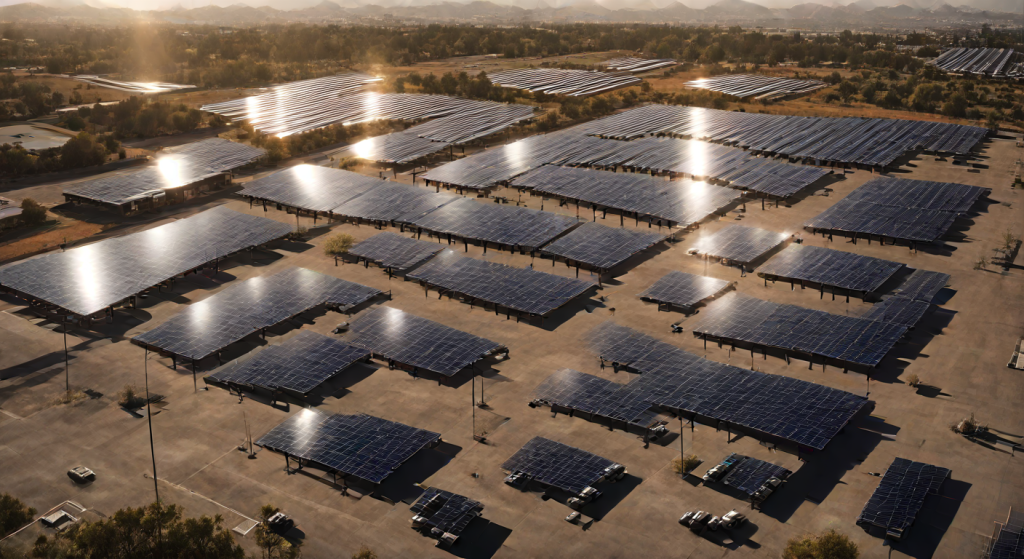
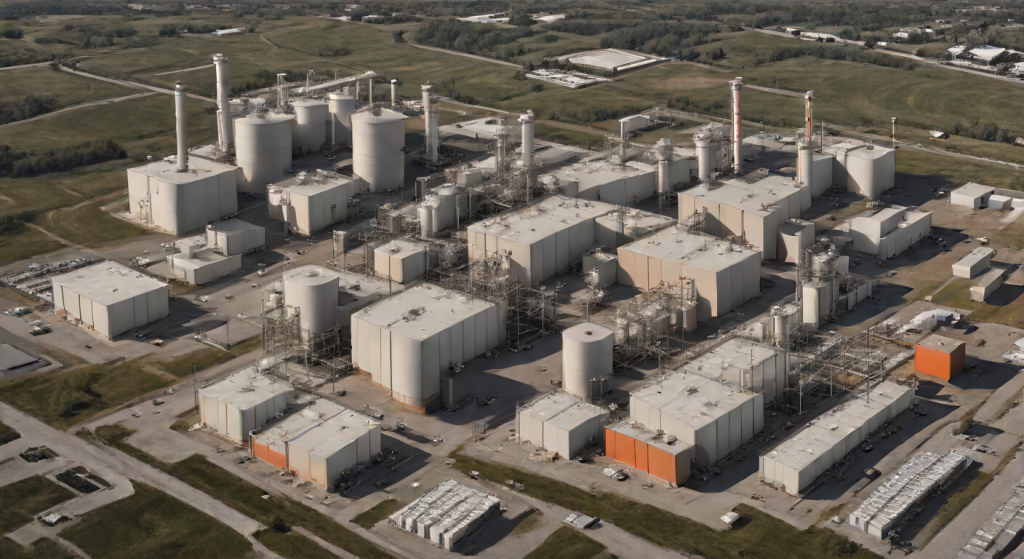
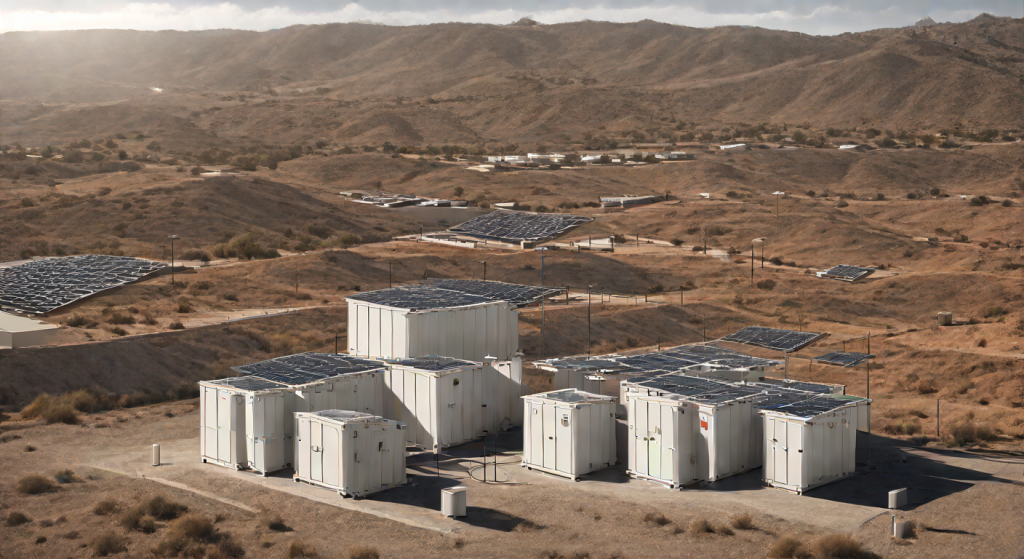
The U.S. Army Corps of Engineers awarded a $54.3 million Energy Resilience and Conservation Investment Program contract to David Boland, Inc. in January 2024 for a microgrid at Fort Stewart-Hunter Army Airfield in Georgia. The project pairs a new 10 MW natural gas power plant with approximately 10 MW of existing solar generation and microgrid controls capable of disconnecting the base from the commercial grid during outages.
Critical Perspective
The Army awarded $54.3 million for a 10 MW microgrid. This cost per MW is higher than the 2022 Naval Base Coronado microgrid project which cost $40 million for 15 MW. Past military microgrids have faced integration challenges, such as the issues at Fort Carson’s solar project. Will this project deliver reliable islanded power at the projected cost?
What Is Being Built
The microgrid centers on ten 1 MW natural gas generators installed in a new power plant facility, integrated with Fort Stewart’s existing solar PV capacity through a SCADA-based microgrid controller. The system includes underground natural gas pipeline construction, substation integration, and islanding protection switchgear that enables the base to operate independently from Georgia Power’s commercial grid. When grid outages occur, the microgrid controller manages the transition to island mode, balancing natural gas generation with solar output to maintain stable power across the installation.
David Boland, Inc., a Titusville, Florida-based contractor specializing in military energy infrastructure, is executing the firm-fixed-price contract. The company subsequently won a $42.6 million microgrid contract at Fort Liberty, North Carolina, establishing it as a leading military microgrid contractor with over $96 million in active microgrid work.
Critical Analysis
Paralleling ten 1 MW synchronous gas generators with approximately 10 MW of inverter-based solar PV at Fort Stewart creates a hybrid synchronous-inverter microgrid where in island mode the gas generators establish the voltage and frequency reference; IEEE 1547-2018 Section 8.2 requires inverter-based solar DER to ride through plus or minus 10% voltage and plus or minus 0.5 Hz frequency deviations for Category III critical infrastructure. The Fort Stewart microgrid relieves Georgia Power distribution by integrating 10 MW of local solar and enabling full load island operation, eliminating the base demand from the commercial grid during outages and reducing average feeder loading during normal solar generation.
5-Year Projection
Over the next 5 years, early adopters of Natural Gas Generators will set regional cost benchmarks, forcing secondary markets to standardize deployment protocols or risk stranded assets.
Why It Matters
Fort Stewart is home to the 3rd Infantry Division and is the Army’s largest installation east of the Mississippi River. The microgrid addresses a critical vulnerability: during extended commercial grid outages, the installation previously relied on distributed diesel generators that could not sustain full operations. The new system provides centralized, reliable generation paired with renewable energy, reducing dependence on emergency diesel while maintaining mission readiness. The ERCIP funding mechanism, which dedicated over $500 million in the FY2026 budget, continues to drive military microgrid deployment toward the Army’s goal of a microgrid at every installation by 2034.
Project Timeline
The Fort Stewart microgrid project officially began in January 2024 when the U.S. Army Corps of Engineers awarded David Boland, Inc. a $54.3 million contract, funded by the Energy Resilience and Conservation Investment Program (ERCIP) from FY2026 allocations. While the specific build phase for Fort Stewart is not detailed, similar ERCIP microgrids of this scale typically require 18-30 months for completion. This project aligns with the broader U.S. Army objective to establish a microgrid at every installation by 2034.