Loma Linda University Health Commissions 2 MW Solar Microgrid
- Healthcare Facilities Microgrids News
Marin Holt
- 0
- 5 minutes read
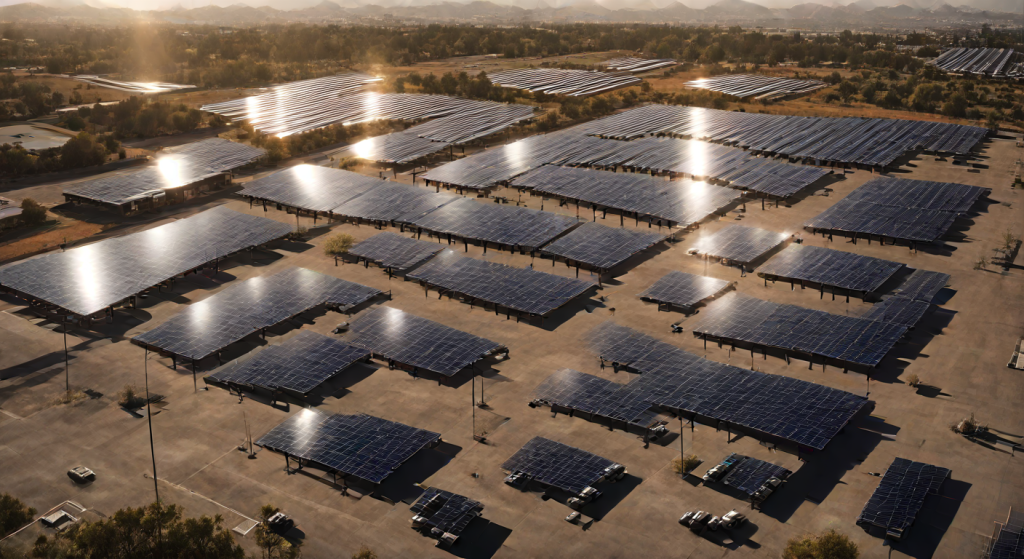
- 3,622 solar panels on P4 parking garage and canopies generate 2 MW, covering 87% of clinic peak power
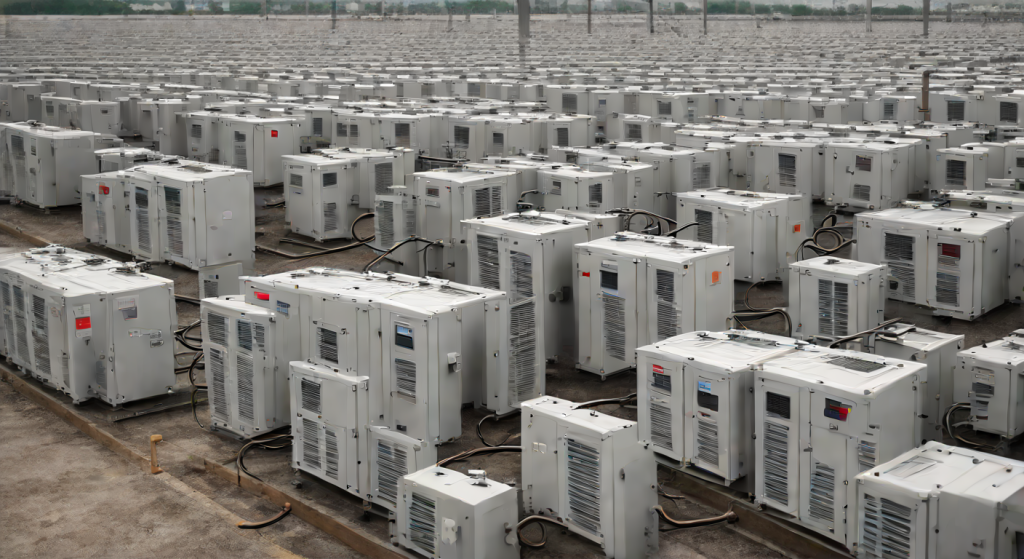
- Tesla 1 MW battery stores excess solar and provides 6 hours emergency backup during SCE outages
- 30-year PPA with Renewable Energy Partners at 15 cents per kWh vs SCE's current 17-24 cent rates
- $500,000 projected annual savings at current rates, rising to $1.5 million as grid prices approach 30 cents
- 10 EV charging stations installed on the clinic's west side parking lot
Listen to this article
Renewable Energy Partners commissioned a 2 MW solar microgrid with 1 MW Tesla battery storage at Loma Linda University Health’s Faculty Medical Clinics in Loma Linda, California, on August 22, 2025. The system covers 87 percent of the outpatient facility’s peak power needs under a 30-year power purchase agreement at 15 cents per kilowatt-hour.
What Was Built
Renewable Energy Partners of Corona, California, installed 3,622 solar panels across the P4 parking garage roof and physician parking canopies, generating 2 MW of capacity. A Tesla battery system stores excess solar output and provides six hours of emergency backup when Southern California Edison grid power is unavailable. The Faculty Medical Clinics draws an average of 1.7 MW daily, peaking above 2 MW during summer months. The project also supports 10 EV charging stations on the clinic’s west side parking lot. Renewable Energy Partners developed, built, and will operate the microgrid for the full 30-year contract term.
Why It Matters
Healthcare facilities face strict power reliability requirements: imaging, lab, and clinical systems cannot tolerate unplanned outages. The 6-hour battery backup extends the clinic’s resilience window beyond standard diesel generator capacity and reduces dependence on fuel deliveries during extended grid disruptions. The system also hedges against Southern California Edison’s rising commercial rates, currently 17 to 24 cents per kilowatt-hour and projected to reach 30 cents. Loma Linda projects $500,000 in annual savings at current rates, rising to $1.5 million as grid electricity costs increase. For a Seventh-day Adventist institution whose mission ties directly to community stewardship, the 2 MW solar array reduces the facility’s carbon footprint while cutting operating costs.
Timeline and Procurement
The project required three years of planning and 18 months of construction before the August 22 go-live. The 30-year PPA structure transfers development and maintenance responsibility to Renewable Energy Partners, which receives the 15-cent per kilowatt-hour energy payments. Loma Linda University Health avoids upfront capital costs while gaining on-site generation and battery backup. FMC President Ricardo Peverini stated the project “strengthens our ability to care for the community, even during emergencies.” The Loma Linda commissioning adds to a growing list of California outpatient facilities deploying behind-the-meter solar and storage to manage rising Southern California Edison commercial rates under long-term agreements.
Critical Perspective
The 30-year PPA at 15 cents per kilowatt-hour locks Loma Linda University Health into a fixed rate as California utility-scale solar procurement continues to fall. Utility-scale solar PPAs in California have reached 4 to 6 cents per kilowatt-hour in recent competitive solicitations; if Southern California Edison commercial rates stabilize or wholesale solar costs decline, LLUH bears above-market contract payments through 2055 with no disclosed exit provisions. The 1 MW battery system provides six hours of backup at partial load, but the single-unit configuration has no disclosed redundancy; a primary battery failure during a wildfire-driven grid outage leaves clinical operations without confirmed backup beyond diesel generator capacity.