Hospital Microgrids: CMS Waiver Opens Path Beyond Diesel Backup
- Healthcare Facilities Microgrids Regulatory
Marin Holt
- 0
- 8 minutes read
- CMS issued a categorical waiver permitting most health care facilities to use Health Care Microgrid Systems (HCMSs) as alternatives to diesel emergency generators, effective April 2023
- The waiver applies to all CMS-regulated facilities required to comply with the 2012 NFPA code, except long-term care facilities providing life support which must retain emergency generators
- HCMSs can be powered by clean energy technologies including fuel cells, solar, wind, and energy storage, eliminating the diesel dependency in CMS emergency power requirements
- CMS guidance clarifies that facilities using microgrids are eligible for Medicare and Medicaid reimbursement, removing a significant financial barrier to hospital microgrid adoption
- The Inflation Reduction Act includes microgrids in its energy conservation project list eligible for Investment Tax Credits, providing additional financial incentive for hospital microgrid investment
Hospitals face a power reliability standard that no other commercial building shares: a loss of electricity for even a few minutes can kill patients. As climate-driven outages become more frequent and grid infrastructure ages, healthcare systems across the US are replacing diesel generator backups with permanent microgrids that combine solar, battery storage, and combined heat and power generation. Two recent projects show what full-scale hospital power independence costs and delivers.
What Hospitals Are Building
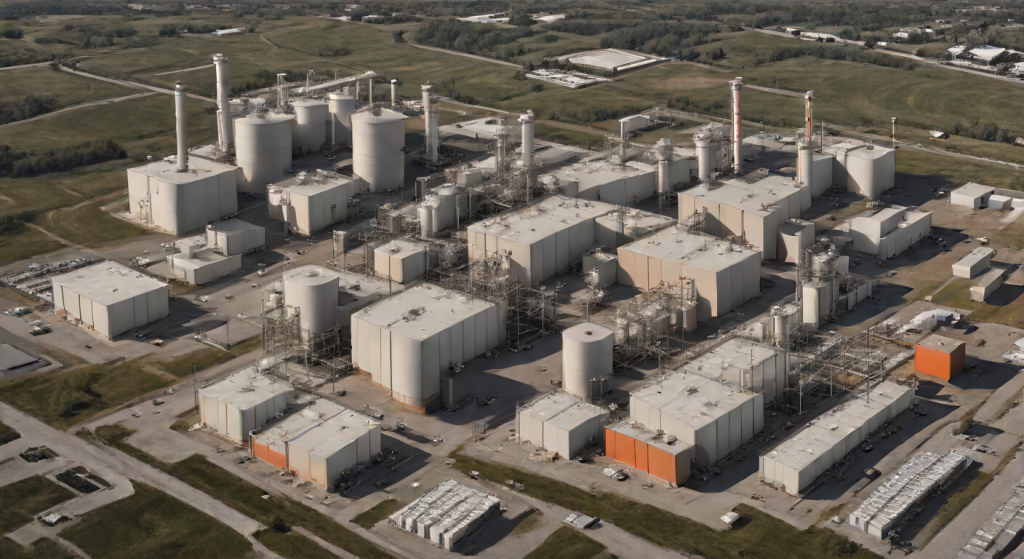
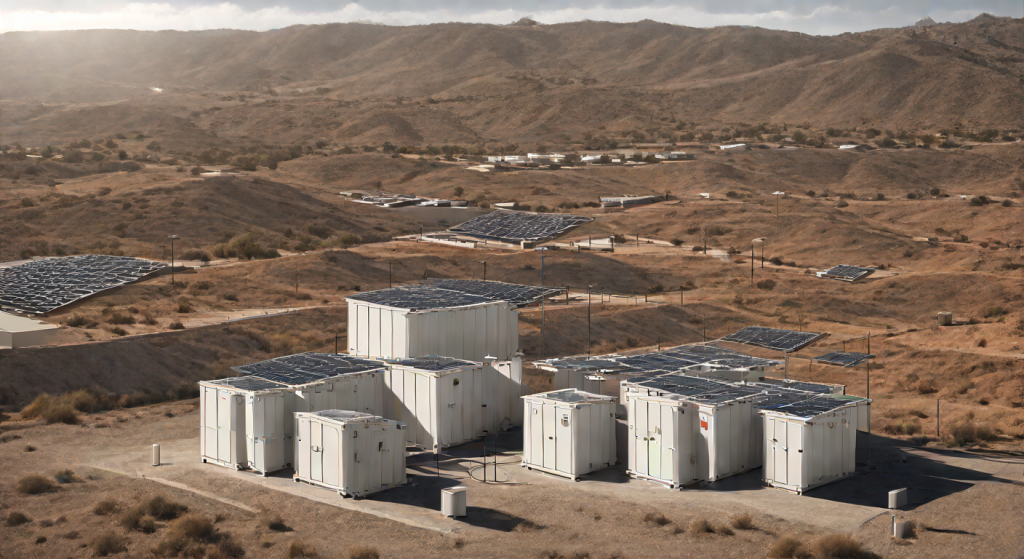
Kaiser Permanente’s Ontario, California medical center operates the largest hospital-based renewable microgrid in the US. The system includes 2 MW of solar generation, 9 MWh of battery storage, and a 1-MW fuel cell. The configuration supports islanding: the hospital disconnects from Southern California Edison’s grid during Public Safety Power Shutoffs and extreme weather events, operating on internal generation for the duration of the outage.
In Hagerstown, Maryland, Meritus Medical Center completed a different configuration in October 2025. The 327-bed acute care hospital installed 1,917 rooftop solar panels paired with a redundant 2.4-MW combined heat and power plant and an absorption chiller. The system generates more than 1.4 MWh annually from solar and provides simultaneous heat and electricity from the CHP plant. Annual energy cost reduction: .6 million. Annual greenhouse gas emissions avoided: 2,000 metric tons. Maryland Energy Administration contributed more than million in funding.
Why Hospitals Are Moving Beyond Generators
Traditional diesel generators handle emergency power, but they operate only 0.1% of the time, require regular fuel deliveries, and contribute significantly to local air quality problems. They also provide no protection against power quality events, partial outages, or the sustained multi-day grid failures that wildfire-caused Public Safety Power Shutoffs produce in California.
Healthcare microgrids solve the duration problem. A 9-MWh battery combined with a fuel cell provides hours to days of full-hospital operation, not the 72-hour fuel supply constraint that limits generator-only backup systems. Solar generation extends run time indefinitely in daylight. CHP plants provide continuous base-load generation that runs whether the grid is up or down.
A 2023 ruling by the Centers for Medicare and Medicaid Services removed a long-standing regulatory barrier. CMS issued a categorical waiver permitting hospitals to use health care microgrid systems for both normal and emergency power, making them eligible for Medicare and Medicaid reimbursement. Previously, only diesel generators qualified. The ruling requires compliance with NFPA 99 and the 2023 National Electric Code, but opens the door for solar, wind, fuel cells, and batteries to serve as primary backup power infrastructure.
Implementation Details
Hospital microgrid costs run between million and million per installed megawatt, depending on system complexity and location. A 2-MW system that can support full hospital operations through a 24-hour outage requires roughly million to 0 million in capital investment. Financing increasingly uses the federal Investment Tax Credit under the Inflation Reduction Act, which provides direct pay benefits to nonprofit hospitals and reduces effective capital costs by 30% to 50%.
The Meritus project used Maryland state energy funding for feasibility studies, preconstruction work, and capital costs. The .6 million in annual energy savings provides a payback timeline that makes the investment viable without grant funding for larger systems. Healthcare systems operating multiple facilities, like Kaiser Permanente with 40 hospitals and 600 medical office buildings, can standardize microgrid specifications across sites and reduce per-installation costs through procurement scale.
Source: Trystar, Microgrid Knowledge
Critical Analysis
Hospital electrical systems operate under NFPA 99 Health Care Facilities Code requirements that specify acceptable voltage and frequency limits for life safety equipment —. Hospital microgrids reduce grid dependence for critical healthcare loads but maintain grid connection as primary power source during normal operations.
5-Year Projection
Within 5 years, these regulatory frameworks surrounding Hospital Microgrids will strictly govern hardware procurement, rendering non-compliant legacy systems obsolete.
Critical Perspective
Kaiser Permanente’s Ontario campus is presented as a model for hospital microgrids, but the CMS waiver pathway it relies on requires individual facility approval — a process CMS’s own published data shows takes 12 to 18 months for complex life-safety code equivalency submissions. The announcement is silent on interconnection costs, which for hospital-scale microgrids with islanding capability have added 15% to 25% of total project cost in California due to Southern California Edison’s distribution protection upgrade requirements. The Joint Commission’s 2023 Environment of Care survey found that 68% of US hospitals still rely exclusively on diesel backup for emergency power, suggesting the economics of full microgrid replacement remain out of reach for most of the 6,093 registered US hospitals. If CMS waiver approval takes 18 months and interconnection studies add another 12, at what point does the regulatory pathway itself become the primary obstacle to hospital energy resilience?