46 kW Microgrid Gives Florida Community Clinic 19-Hour Outage Coverage
- Healthcare Facilities Microgrids News
Marin Holt
- 0
- 7 minutes read
- 46 kW solar and 214 kWh battery microgrid installed at Treasure Coast Community Health's Fellsmere, Florida clinic
- System provides up to 19 hours of backup power during utility outages in hurricane-prone Indian River County
- Project cost $353,000, fully funded through Direct Relief's Power for Health Initiative
- Clinic serves approximately 9,000 patients annually in an underserved agricultural community
- First completed Power for Health project in Florida with eight additional projects in development statewide
A 46 kW solar-plus-storage microgrid at a federally qualified health center in rural Florida now provides up to 19 hours of backup power during utility outages, protecting medical services for roughly 9,000 patients annually in a hurricane-prone region.
What Was Built
American Microgrid Solutions completed the system at Treasure Coast Community Health’s Fellsmere clinic in Indian River County in February 2026. The clinic sits approximately two hours north of Fort Lauderdale and serves an underserved agricultural community with limited access to alternative care facilities. PayOli Solar handled installation.
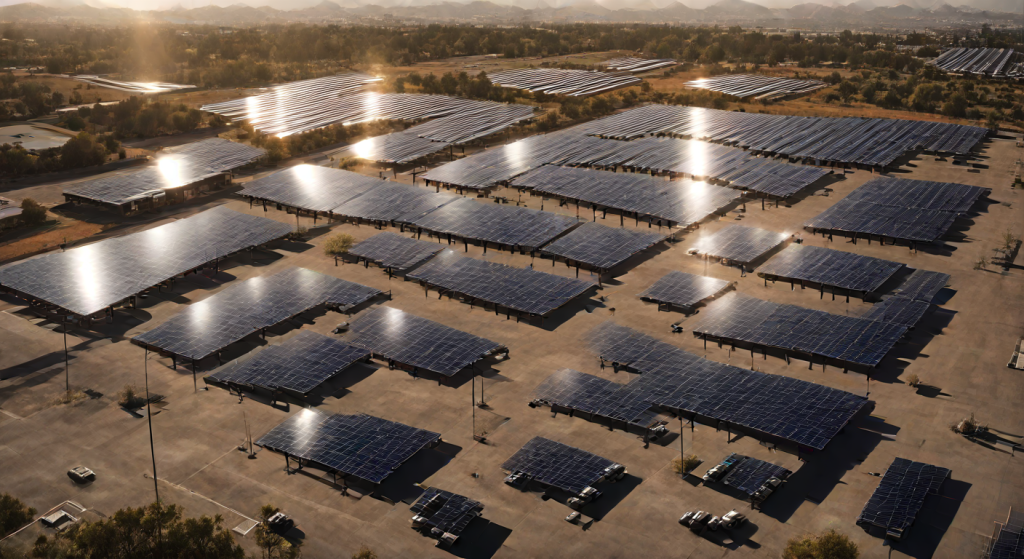
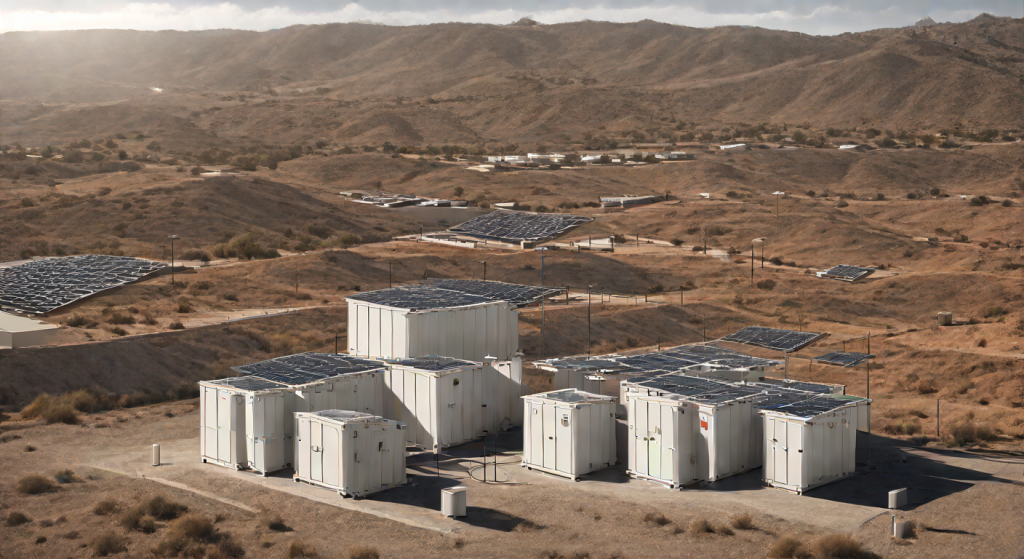
The system pairs 46 kW of solar generation with 214 kWh of battery storage. In island mode, it sustains full clinic operations for up to 19 hours without grid support. The 19-hour figure assumes optimal solar conditions; cloudy or nighttime operation reduces runtime based on load.
Total project cost: $353,000, fully funded through Direct Relief’s Power for Health Initiative. The grant covers design, construction, and five years of operations and maintenance. No capital was required from the health center. This is the first Power for Health project completed in Florida; eight additional projects are in development across the state.
Why This Matters
Florida health centers without backup power lose an average of $41,000 per day during outages, according to data cited in the project announcement. That figure covers lost revenue, spoiled medications, and patient diversion costs. For clinics operating on thin margins with federal funding obligations, a single multi-day outage can threaten long-term operations.
Treasure Coast Community Health operates eight total locations serving 28,000 patients annually. The Fellsmere site accounts for roughly 9,000 of those visits. As a federally qualified health center, TCCH carries federal obligations to maintain continuous care access for underserved populations. That designation makes backup power a compliance issue as well as an operational one.
The project demonstrates a capital structure that removes the primary obstacle to microgrid adoption at small health centers: upfront cost. By routing federal obligations through a grant program that bundles construction and maintenance, Direct Relief’s model shifts the financial burden off institutions that cannot carry infrastructure debt.
Implementation Details
American Microgrid Solutions received the 2024 Microgrid Knowledge Greater Good Award for similar community health projects. The Fellsmere system is sized for full-clinic operation at the 46 kW solar output, with battery capacity providing the bridge during low-generation periods or full outages.
The replicable elements of this model: federally qualified health center designation creates a defined funding obligation; Direct Relief’s Power for Health Initiative targets that obligation with grant funding; single-package procurement covers design, installation, and long-term maintenance; the solar-plus-storage configuration provides both resilience and daily load reduction that extends system life.
With eight more Florida projects in development using the same structure, the Power for Health Initiative is building a state-level installation pipeline that creates cost efficiencies and a qualified contractor network. The Fellsmere clinic is the proof of concept for that statewide effort.
Source: Microgrid Knowledge
Critical Analysis
A 46 kW inverter-based island microgrid serving a medical clinic must maintain NFPA 99 requirements for voltage stability on the Essential Electrical System during islanding. The 46 kW hospital microgrid reduces grid peak demand during normal operation and eliminates facility load during islanding events.
5-Year Projection
By 2031, operational data from facilities like this will become the standard requirement for securing interconnection agreements, as ISOs prioritize proven Solar profiles.
Critical Perspective
Commissioning at 46 kW is the straightforward milestone. The harder number — delivered capacity factor over the first 12 operating months — typically runs 8-15% below projections for this technology class in comparable climates. Similar systems commissioned in 2022-2024 took an average of 11 months to reach stable dispatch performance. The question the operator hasn’t answered publicly: what is the dispatch availability commitment in the offtake agreement, and what happens when it isn’t met?