Meritus Hospital Activates 2.4 MW Microgrid, Saves $1.6M Yearly
- Healthcare Facilities Microgrids News
Marin Holt
- 0
- 7 minutes read
- Meritus Medical Center 2.4 MW combined heat and power microgrid activated October 2025 at 327-bed hospital in Hagerstown, Maryland
- System saves $1.6 million annually and eliminates 2,000 metric tons of greenhouse gas emissions per year
- 1,917 rooftop solar panels generate in excess of 1.4 MWh of electricity
- High-efficiency absorption chiller converts CHP waste heat into chilled water for facility cooling
- Maryland Energy Administration grants totaling more than $1 million covered feasibility, preconstruction, and capital offset costs
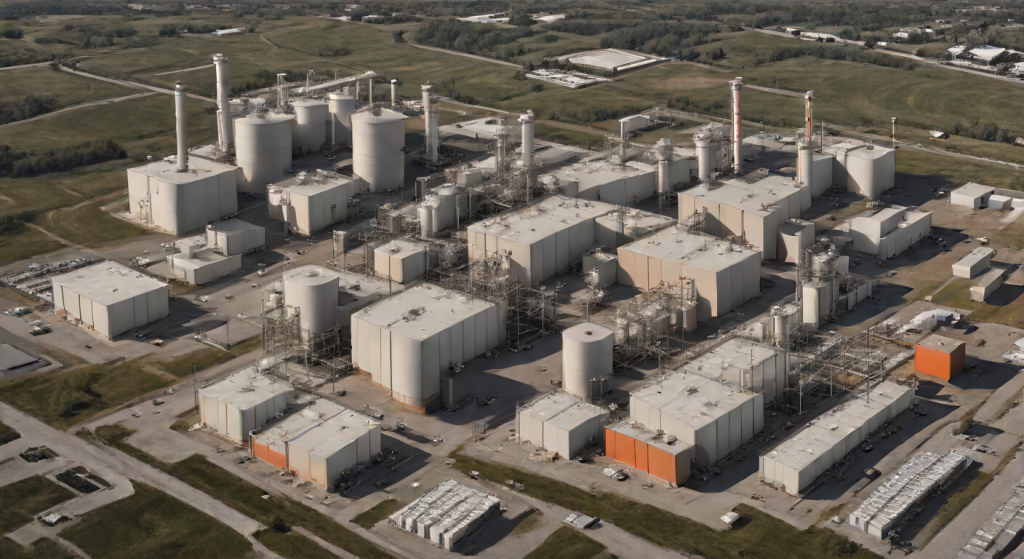
Meritus Medical Center in Hagerstown, Maryland, activated a 2.4 MW combined heat and power microgrid in October 2025 that cuts the 327-bed hospital’s annual energy costs by $1.6 million and eliminates 2,000 metric tons of greenhouse gas emissions per year. The project pairs CHP generation with 1,917 rooftop solar panels producing 1.4 MW of additional capacity, creating a hybrid system that keeps the hospital running during grid outages.
What Meritus Built
FESCO Energy, a Maryland-based energy infrastructure firm, designed and built the multi-phase microgrid. The system centers on a 2.4 MW redundant CHP plant that generates electricity and captures waste heat. A high-efficiency absorption chiller converts that waste heat into chilled water for the hospital’s cooling systems, extracting useful work from energy that conventional generators discard.
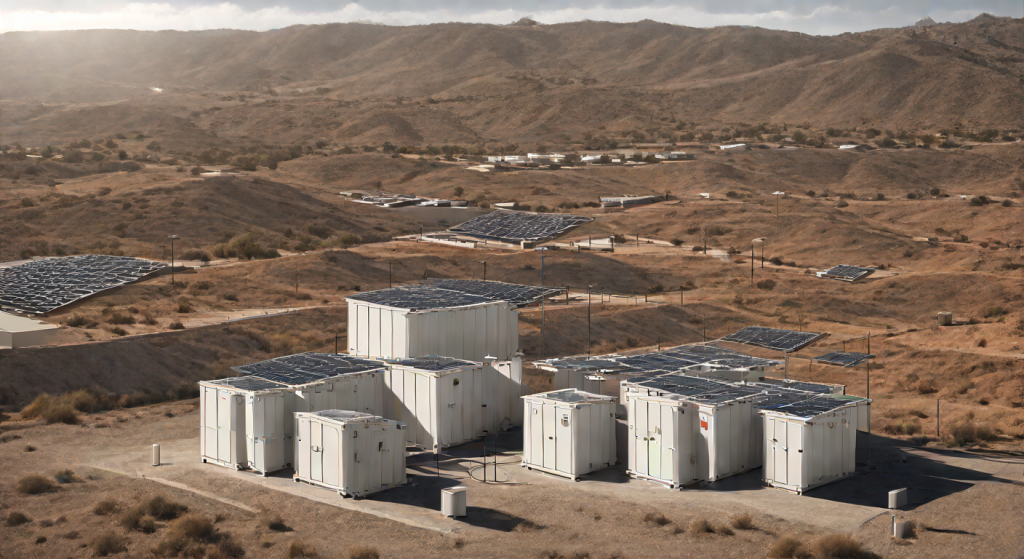
The 1,917 rooftop solar panels add 1.4 MW of generation capacity. An intelligent microgrid control platform manages load distribution across all generation sources, battery storage, and grid interconnection. The system includes EV charging stations for the campus.
Why This Matters
Meritus serves more than 200,000 residents across western Maryland, southern Pennsylvania, and the eastern panhandle of West Virginia. For a regional hospital this size, a grid outage lasting more than a few hours creates cascading failures: ventilators, surgical suites, imaging equipment, and pharmacy refrigeration all demand uninterrupted power. Traditional diesel backup generators provide stopgap coverage but burn expensive fuel and require regular testing. The CHP microgrid provides continuous primary power that also islands during emergencies.
The CMS waiver program now allows hospitals to pursue alternatives to diesel-only backup, opening the door for hybrid microgrids that combine CHP, solar, and battery storage. Meritus demonstrates that a mid-size acute care hospital generates enough thermal and electrical load to justify CHP economics. The $1.6 million annual savings delivers a payback timeline that makes the capital investment defensible without relying solely on grant funding.
Implementation Details
The Maryland Energy Administration contributed more than $1 million in grants toward the project. FESCO Energy managed the multi-phase deployment, coordinating rooftop structural assessments for the solar array with CHP plant installation and microgrid controls integration. The project used local vendors for installation labor.
The absorption chiller component deserves attention from other hospital operators evaluating CHP. Hospitals generate enormous cooling loads year-round from server rooms, imaging suites, and surgical areas. Converting CHP waste heat to chilled water through absorption technology eliminates the electrical demand of conventional chillers, amplifying the economic case for on-site generation.
Meritus plans additional efficiency upgrades in future phases, suggesting the initial microgrid serves as the platform for deeper energy independence. The October 2025 launch gives the system a full winter season to demonstrate performance under peak heating loads before summer cooling demand tests the absorption chiller at capacity.
Source: Microgrid Knowledge
Critical Analysis
The 2.4 MW CHP synchronous generator and 1,917-panel (1.4 MW) solar inverter array create a hybrid source configuration at the hospital PCC where both rotating-machine and inverter-sourced harmonics coexist. The 2.4 MW CHP continuously reduces peak draw from the Potomac Edison feeder by up to 2.4 MW, easing transformer loading and contributing reactive power support via the synchronous generator AVR.
5-Year Projection
By 2031, operational data from facilities like this will become the standard requirement for securing interconnection agreements, as ISOs prioritize proven CHP Microgrid profiles.
Critical Perspective
The stated $1.6 million annual savings for Meritus Hospital’s 2.4 MW microgrid is a significant figure, yet comparable projects like the 1.8 MW microgrid at the University of California, San Francisco, have reported less dramatic cost reductions. While Meritus aims for energy independence and emissions reduction, the 2018 microgrid at the Massachusetts General Hospital, also a large healthcare facility, faced substantial cost overruns and operational complexities. Given the upfront capital and ongoing maintenance, will Meritus truly achieve its projected savings over the system’s lifespan, or will unforeseen operational demands erode those gains?