Schneider Electric Adds 1.5 MW NMC Battery to MCAS Miramar
- C&I Storage Energy Storage Military & Defense News
Marin Holt
- 0
- 7 minutes read
- Schneider Electric installed a 1.5 MW / 3.3 MWh NMC BESS at MCAS Miramar in late 2024 using ELM lithium-ion cells.
- The BESS integrates with a 6.5 MW cogeneration complex including 3.2 MW landfill gas and 2 MW solar.
- In February 2023, the Miramar microgrid completed a 21-day island mode test without SDG&E supply.
- UFC lithium-ion battery siting requirements forced a BESS relocation during construction.
- The CEC contributed a $5 million EPIC grant; the 2019 microgrid expansion contract was valued at $3.9 million.
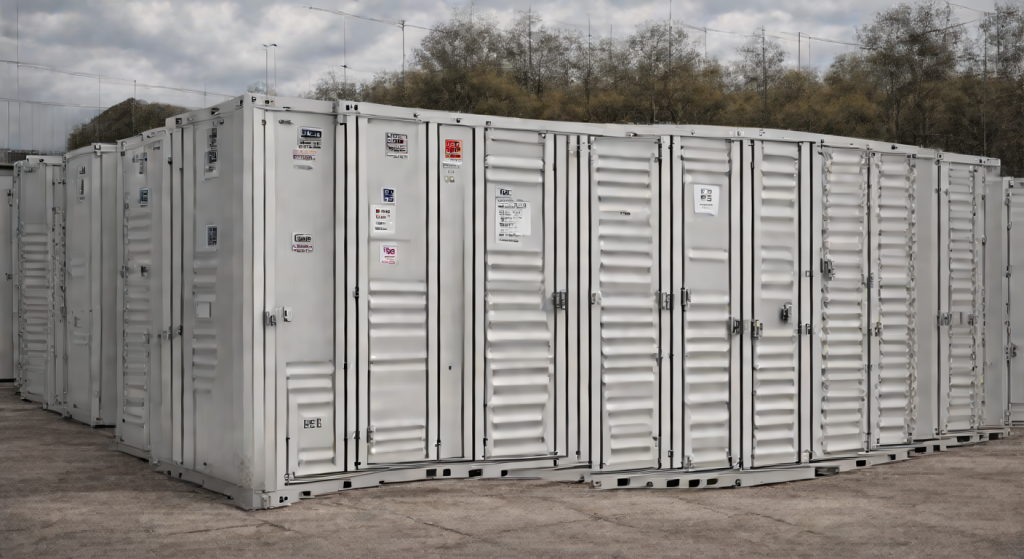
Schneider Electric completed a 1.5-megawatt / 3.3-megawatt-hour battery energy storage system at Marine Corps Air Station Miramar in late 2024, strengthening a microgrid that had already demonstrated 21-day islanding capability. The BESS uses nickel manganese cobalt cells supplied by ELM, funded by the California Energy Commission with technical development supported by UC San Diego.
What Was Built
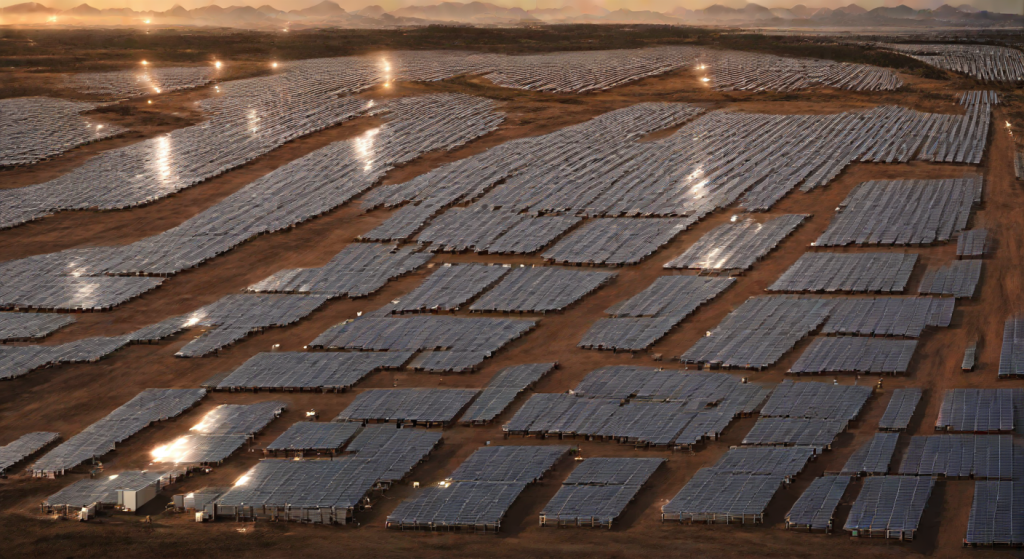
The system integrates with Miramar’s 6.5-megawatt cogeneration complex, which includes diesel and natural gas generators, 3.2 megawatts of landfill gas, and 2 megawatts of rooftop solar. Unified Facilities Criteria requirements for lithium-ion battery siting forced engineers to relocate the BESS during construction, a regulatory complication specific to military installation standards that exceeds civilian grid code requirements.
In February 2023, Miramar’s microgrid completed a 21-day island mode test without San Diego Gas & Electric supply, operating entirely on station generation assets. The new BESS adds reserve margin, smooths load swings during generation transitions, and provides a buffer against demand spikes that could stress diesel units during extended autonomous operation.
Critical Perspective
Commissioning $3.9 million is the straightforward milestone; sustained performance over the first 12 months under real dispatch conditions is the harder test. Comparable battery systems have achieved 78–85% of projected round-trip efficiency in year one as BMS calibration and thermal management are refined — the 182.5 MWh Elkhorn unit at Moss Landing required 18 months of post-commissioning adjustment before reaching nameplate throughput. The question energy professionals should be asking: what performance guarantee is in place, and at what efficiency threshold does the warranty trigger?
Why It Matters
MCAS Miramar is home to approximately 15,000 marines, sailors, and their families, along with flight operations and maintenance facilities that require uninterrupted power. The San Diego region experiences wildfires, windstorms, and utility outages with growing frequency, making grid independence a mission requirement. The microgrid eliminates dependence on SDG&E during commercial grid events without triggering operational disruptions.
Schneider Electric cited Miramar as a reference project when it launched Schneider Electric Federal in April 2025, a dedicated U.S. public sector subsidiary serving military installations and federal agencies. The 2019 contract for the broader microgrid expansion was valued at $3.9 million, with a $5 million CEC EPIC grant supporting the program. No separate dollar figure for the 2024 BESS installation has been publicly disclosed.