Electrovaya Launches ElvaPulse 1500, a 2.88 MWh Container Rated for 7 MW of Data Center Discharge
- AI Energy Demand C&I Storage Data Centers Energy Storage Product
Marin Holt
- 0
- 7 minutes read
- Nominal Energy: 2.88 MWh
- Continuous Power: About 7 MW
- Architecture: 1500 VDC in a 20-foot container
- Full Discharge Time: Under 30 minutes
- First Deliveries: Second quarter of 2027, Jamestown, New York
Listen to this article
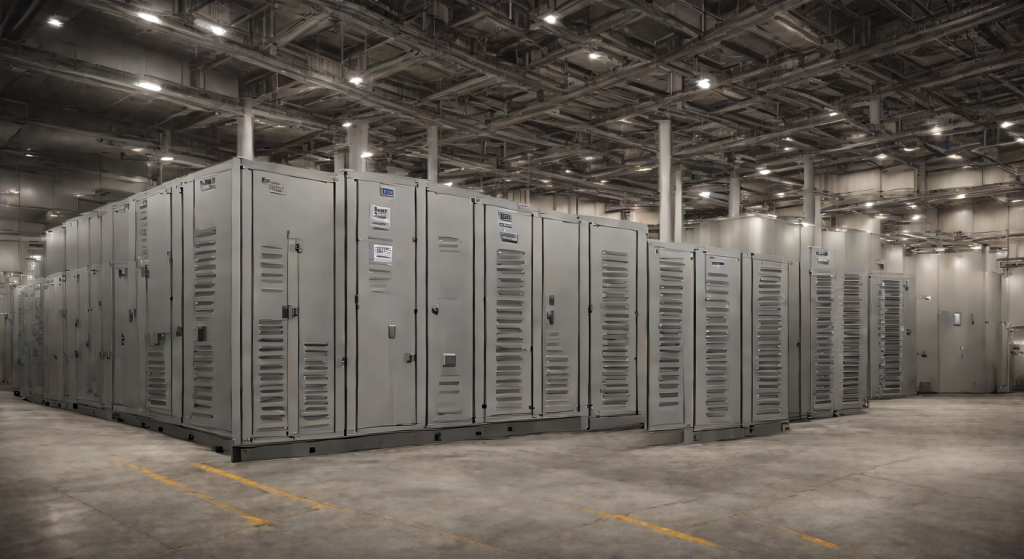
Electrovaya introduced ElvaPulse 1500 on July 30, 2026, a high-power battery platform aimed at data centers and other critical loads. The system packs 2.88 MWh of nominal energy into a 20-foot container built on a 1500 VDC architecture. It delivers up to about 7 MW of continuous power. That rating lets the unit empty its full capacity in under 30 minutes. Electrovaya plans first deliveries in the second quarter of 2027 from its plant in Jamestown, New York.
The chemistry is lithium-ion with a proprietary ceramic separator. Electrovaya targets UL 1973 and UL 9540 certification in the first quarter of 2027. The company builds the units in the United States and positions them for the Section 48E investment tax credit, including the domestic content bonus. Electrovaya trades on Nasdaq and the Toronto Stock Exchange as ELVA. The company did not disclose pricing.
What Is Genuinely New Here
The power-to-energy ratio is the actual product, not the container. Most utility-scale lithium-ion systems discharge over two to four hours. ElvaPulse 1500 runs a roughly 2.4C rate, which is an order of magnitude above that norm. Electrovaya built a short-duration, high-rate box and skipped the long-duration race entirely.
That choice tracks a real gap in data center power. An AI training cluster drops and picks up tens of megawatts in seconds. Uninterruptible power supply strings and diesel gensets handle the ride-through, but neither absorbs repeated hard swings well. A high-rate battery sits between them. Electrovaya markets the unit as a complement to generators and UPS, not a replacement for either.
Against the Field
Vertiv sells into the same slot with EnergyCore Grid, scaled for 5 MW and above and configurable from 1 MW to more than 200 MW. Vertiv leads with grid integration and peak-demand work. Electrovaya leads with discharge rate in a single 20-foot footprint. EnerSys attacks the same duty cycle from the UPS side with DataSafe Noir lithium and its thin-plate pure-lead HX line, announced in February 2026.
The differences matter at procurement. A buyer who wants ride-through and load smoothing inside the white space stays closer to the UPS vendors. A buyer who wants a grid-side asset that also firms a microgrid looks at the containerized platforms.
Why It Matters
Cycle life is the number Electrovaya has not published. The company calls it “industry leading” and stops there. High-rate duty cycles punish lithium cells, and a battery that smooths AI load swings will see far more cycles per year than a peaker-replacement asset. Without a warranted cycle count at the rated C-rate, a buyer has no way to model the total cost.
The Q2 2027 delivery window also sits well past current data center build schedules. Operators wiring up capacity in 2026 will pick something already shipping. Electrovaya is selling into the next procurement cycle, and the UL certification date in the first quarter of 2027 leaves almost no slack ahead of it.
Critical Perspective
Electrovaya rates ElvaPulse 1500 at 2.88 MWh and about 7 MW, a 2.4C discharge that empties the box in under 30 minutes. The company did not publish cycle life at that rate or a price, and those two numbers decide whether the product competes against a diesel genset or against a Vertiv EnergyCore Grid cabinet. Toshiba built a genuinely high-rate cell in SCiB lithium-titanate and it has held a narrow niche for over a decade, because the energy density and the cost never caught the mainstream. First deliveries are not due until the second quarter of 2027, so what does the warranty say about throughput when a data center cycles this unit several times a day?
Sources
- ESS News
- pv magazine USA
- Electrovaya press release
- Vertiv EnergyCore Grid product page
- EnerSys DataSafe HX announcement