Fluence Supplies 1,200 MWh Battery Storage for Arizona Pioneer

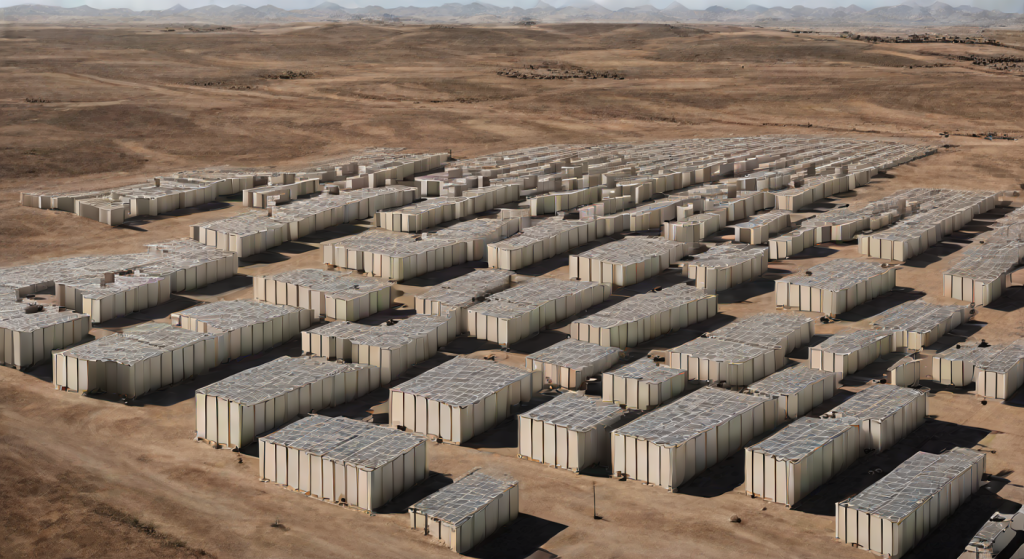
- 300 MW AC solar + 300 MW / 1,200 MWh BESS at Pioneer Clean Energy Center, Yuma County, AZ
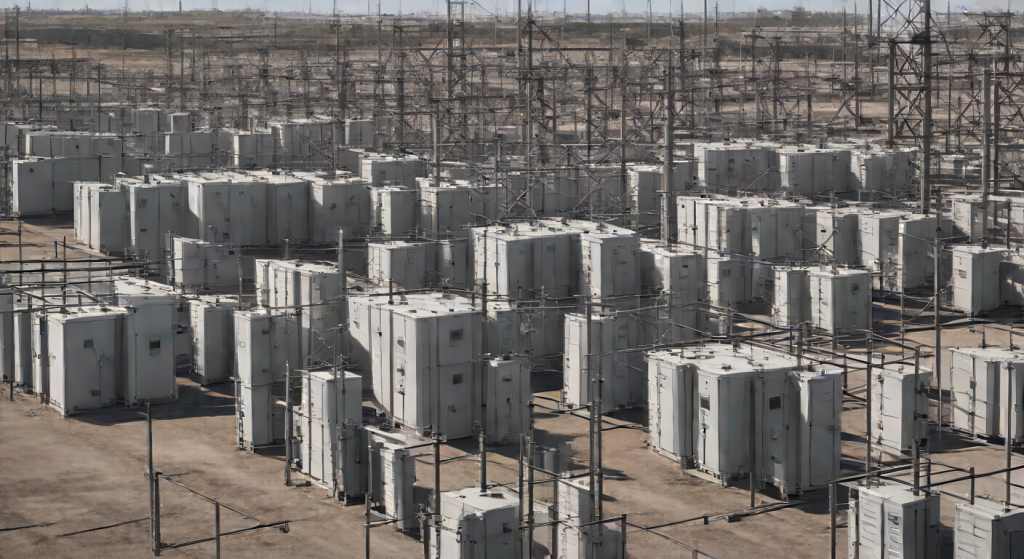
- Fluence Gridstack Pro 5000 series in 20-ft container footprint with U.S.-manufactured cells and modules
- Long-term tolling agreement with Arizona Public Service (APS)
- BrightNight PowerAlpha AI platform manages dispatch optimization
- 230 kV generation tie line, ~9 km to interconnection substation
- Commercial operations expected April 2027
Fluence Energy (Nasdaq: FLNC) has been selected to supply its Gridstack Pro™ battery energy storage system for the Pioneer Clean Energy Center in Yuma County, Arizona , a 300 MW solar facility paired with a 300 MW / 1,200 MWh battery storage system being developed by BrightNight and Cordelio Power.
The announcement, made on January 15, 2026, marks one of the largest solar-plus-storage projects currently under construction in the American Southwest. Under a long-term power purchase agreement, Arizona Public Service (APS) will purchase the facility’s carbon-free output to help meet the state’s rapidly growing electricity demand.
Project Scale and Technology
The Pioneer Clean Energy Center combines a 300 MW AC solar array with a 300 MW / 1,200 MWh battery energy storage system , enough dispatchable storage to fully charge and discharge in four hours. Fluence’s Gridstack Pro 5000 series BESS units, packaged in standard 20-foot container footprints, will incorporate U.S.-manufactured battery cells, modules, enclosures, and thermal management systems.
The facility will connect to the regional transmission system via a new 230 kV generation tie line running approximately 9 km to a nearby substation. Full commercial operations are expected by April 2027.
Why Arizona Needs It Now
Arizona is among the fastest-growing electricity markets in the United States. A surge in data center construction, semiconductor manufacturing, and population growth has strained existing generation capacity , particularly during summer afternoon peak hours when solar output drops and air conditioning loads spike simultaneously.
A 1,200 MWh storage system paired with 300 MW of solar directly addresses this gap. By absorbing excess midday solar generation and discharging during the evening peak demand window, the Pioneer project provides firm, dispatchable capacity that operates under a tolling agreement, giving APS flexible, on-demand access to stored clean energy.
“Pioneer will deliver reliable, dispatchable clean power that Arizona needs to support its rapid growth,” said Martin Hermann, CEO of BrightNight. “This project demonstrates how large-scale renewables paired with advanced storage can provide firm capacity and real grid resilience.”
U.S. Manufacturing and Grid Resilience
Fluence has emphasized the domestic supply chain built into this project. All major BESS components , cells, modules, enclosures, and thermal management , are manufactured in the United States, aligning with federal clean energy incentive requirements and strengthening American energy storage manufacturing capacity.
“We first put storage on the U.S. grid to meet exactly the kind of reliability needs Arizona is facing, and we have since proven that it scales to massive deployments,” said John Zahurancik, Chief Customer Success Officer at Fluence.
Cordelio Power, wholly owned by the Canada Pension Plan Investment Board, brings its 1,860 MW operating portfolio to the partnership. BrightNight’s proprietary PowerAlpha® AI platform will manage the facility’s dispatch optimization to maximize value for APS and the regional grid.
The project is expected to create hundreds of construction and operations jobs, generate substantial tax revenue for local schools and public services, and deliver clean energy without straining local water resources , a critical consideration in the arid Southwest.
Critical Perspective
The April 2027 commercial operations target for a 300 MW / 1,200 MWh solar-plus-storage project in Yuma County is aggressive: 230 kV generation tie-line construction, Western Interconnection interconnection studies, and Arizona utility permitting for a project of this scale typically take 24-36 months from contract signing to commercial operations. Fluence’s claim that Gridstack Pro 5000 incorporates U.S.-manufactured cells, modules, and enclosures has specific IRA compliance implications; the domestic content requirements for the full Investment Tax Credit adder apply at the component level, and Treasury Department guidance distinguishing U.S.-assembled from U.S.-manufactured battery cells has not been finalized for all chemistries. The 4-hour duration storage system addresses Arizona’s evening peak demand gap but does not address multi-day low-solar periods during monsoon season or extended grid stress events driven by regional heat waves. BrightNight has no disclosed operating projects at this scale, and the announcement does not provide its development track record for projects above 200 MW.