e-STORAGE Secures 500 MW Battery Contract for US Data Centers
- C&I Storage Energy Storage News
Marin Holt
- 0
- 5 minutes read
- System Capacity: 500 MW / 2,493 MWh DC
- Battery Units: ~500 SolBank 3.0 containers
- Delivery Window: March 2027 – July 2027
- Canadian Solar Global Shipped: 16+ GWh
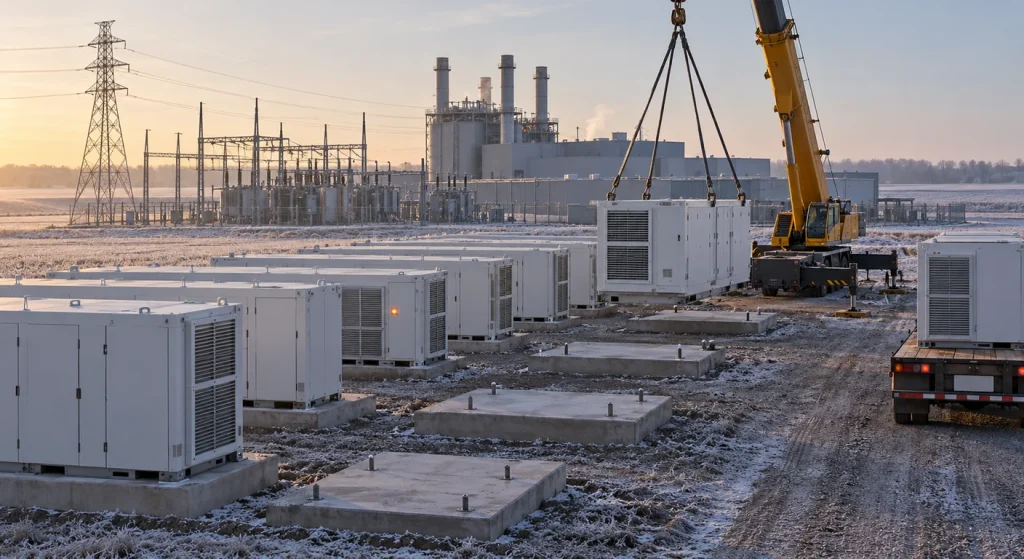
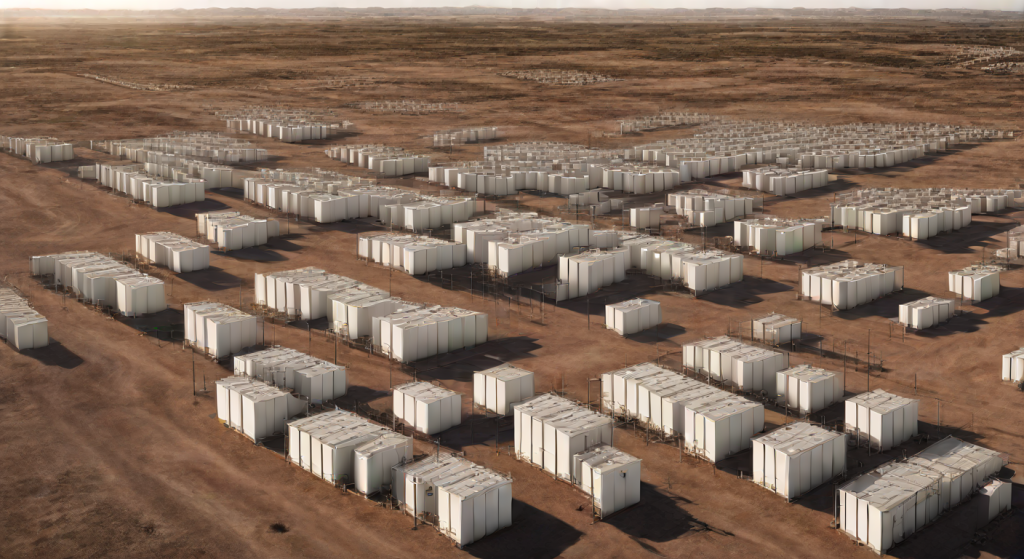
e-STORAGE, the energy storage subsidiary of Canadian Solar Inc., announced in March 2026 that it signed a supply agreement with a major U.S. utility for a 500 MW / 2,493 MWh DC battery energy storage system. The deal covers approximately 500 SolBank 3.0 containers and targets the power demands of data center campuses, with deliveries scheduled to begin in March 2027 and complete in July 2027.
Deal Details
The contract represents one of the largest single-utility BESS supply agreements disclosed in the U.S. in 2026. The 2,493 MWh system is rated at 500 MW DC — a four-to-five-hour discharge duration that positions the system for both peak shaving and grid support operations. The SolBank 3.0 platform, manufactured by Canadian Solar through its global network, is designed for utility-scale deployment with modular container packaging. The unnamed utility will receive deliveries starting March 2027, with the full build-out completed by July 2027.
Canadian Solar has shipped over 16 GWh of energy storage globally as of late 2025, giving e-STORAGE a track record in large-scale procurement and delivery logistics for projects of this scale.
Why It Matters
AI-driven data center expansion is creating new peak demand peaks on utility feeders — demand that arrives at high concentration, at predictable hours, and with little tolerance for voltage sags or outages. Utilities serving hyperscale campuses are increasingly turning to co-located or nearby BESS deployments to absorb morning and evening ramps without building new generation capacity. A 500 MW system placed close to a data center cluster effectively functions as a buffer between the volatile demand profile of GPU compute and the slower-responding generation portfolio serving the grid. For facility operators managing demand charges under time-of-use tariffs, utility-owned BESS of this scale can translate directly into lower contracted rates. The e-STORAGE deal signals that utilities are now comfortable with 2+ GWh supply agreements placed years in advance, locking in battery costs while data center load forecasts mature.
Critical Perspective
This 500 MW / 2.5 GWh contract is significant. However, the article omits the contract value and assumed battery cost per kWh. For comparison, Fluence’s 2023 contract for a 100 MW / 400 MWh system was valued at $100 million. The California Public Utilities Commission’s 2019 procurement mandate resulted in projects averaging $350/kWh, a price point unlikely today. What is the projected levelized cost of storage for this system over its expected lifespan?