Meritus Medical Center Commissions 2.4 MW CHP Microgrid
- Healthcare Facilities Microgrids News
Marin Holt
- 0
- 8 minutes read
- Meritus Medical Center commissioned a 2.4 MW CHP and 1,917-panel solar microgrid in October 2025 in Hagerstown, Maryland
- System projects $1.6M annual energy cost reduction and avoids 2,000 metric tons of greenhouse gas emissions per year
- Maryland Energy Administration grants totaled over $1M; total project incentives exceeded $11M across all phases
- CMS 2024 waiver permits microgrids as healthcare backup power, enabling IRA direct pay for non-profit hospitals
- NextNRG executed a 28-year PPA in November 2025 for 409 kW solar plus 300 kW BESS at a Torrance CA nursing facility
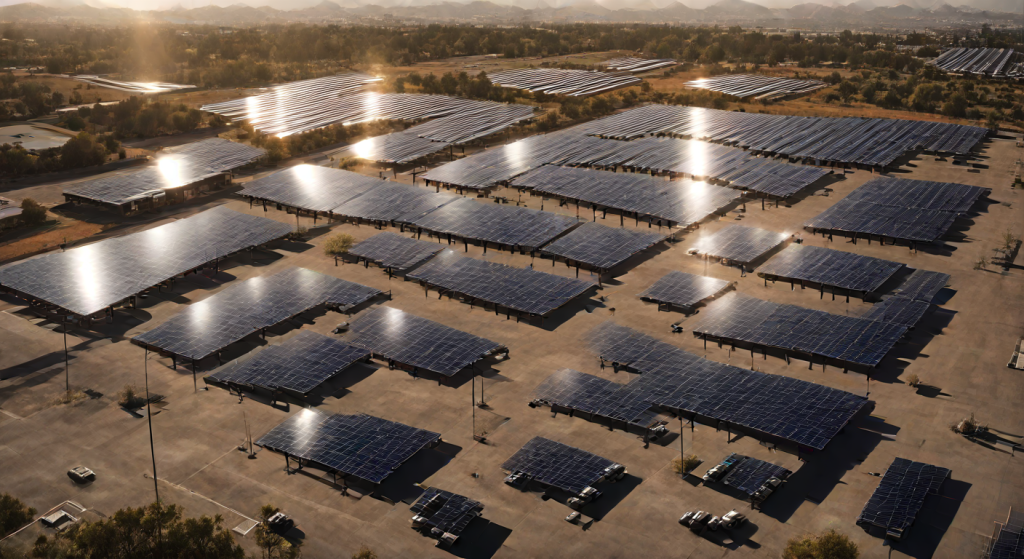
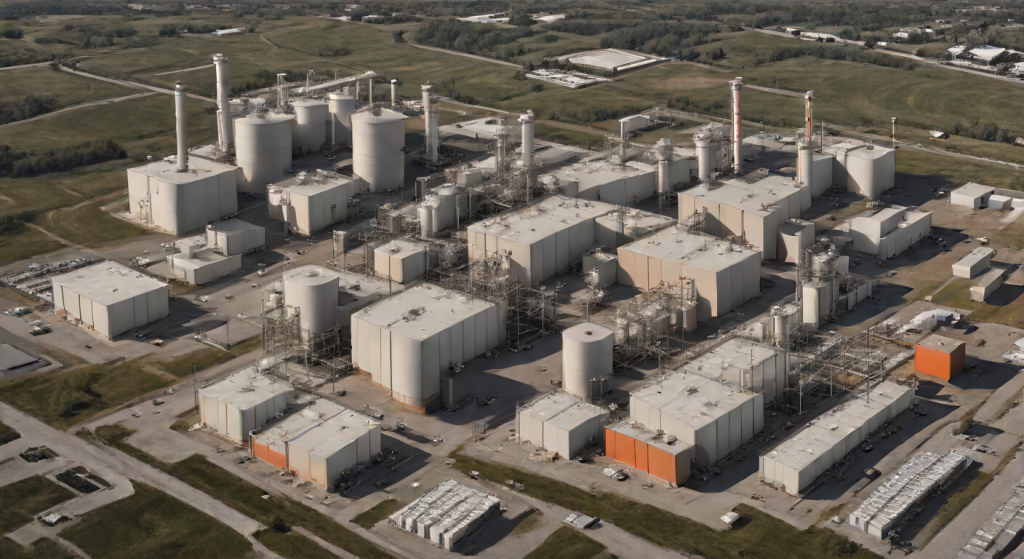
Meritus Medical Center, a 327-bed acute care hospital in Hagerstown, Maryland, commissioned a comprehensive microgrid system in October 2025 that pairs a 2.4 MW combined heat and power plant with a 1,917-panel rooftop solar installation generating approximately 1.42 million kWh annually. The project, engineered and constructed by FESCO Energy LLC, enables island-mode operation during utility grid outages and is projected to reduce the health system energy costs by approximately $1.6 million per year while avoiding 2,000 metric tons of greenhouse gas emissions annually.
System Architecture and Components
The system integrates four primary components under an intelligent microgrid controls platform. The 2.4 MW CHP plant operates with full redundancy and simultaneously generates electricity and recovers waste heat, which is routed to a high-efficiency absorption chiller providing cooling throughout the campus. The rooftop solar array spans the hospital building and the Link structure connecting it to the adjacent Robinwood Professional Center. Ten EV chargers are integrated into the campus electrical system.
By running natural gas-fired generation on site, the facility can disconnect from the PJM-served distribution grid during outages and maintain full operations for critical departments including the emergency room, operating theaters, and intensive care units. The absorption chiller integration means that cooling demand, which typically peaks during summer weather events that also stress the grid, is met from waste heat rather than purchased electricity.
Regulatory and Financial Context
The project was originally announced in June 2023 when FESCO Energy was awarded the first phase of the multi-phase initiative. The Centers for Medicare and Medicaid Services issued a waiver in 2024 allowing microgrids to serve as backup power alongside or in lieu of diesel generators, clearing a longstanding barrier that had prevented hospitals from monetizing Inflation Reduction Act tax credits for renewable-integrated microgrid systems.
Meritus Health received grants totaling more than $1 million from the Maryland Energy Administration covering feasibility analysis, preconstruction engineering, and capital cost offsets. FESCO Energy reported total rebates, incentives, and grants across all project phases exceeding $11 million. The annual $1.6 million savings projection reflects avoided electricity purchases combined with demand charge reductions during peak hospital operating periods.
Healthcare Microgrid Market Context
Healthcare facilities account for approximately 8.5 percent of all U.S. carbon emissions, with hospital care responsible for 35 percent of that total. Energy-as-a-service financing models enable third-party ownership of on-site generation assets while passing Inflation Reduction Act direct pay benefits to non-profit hospitals.
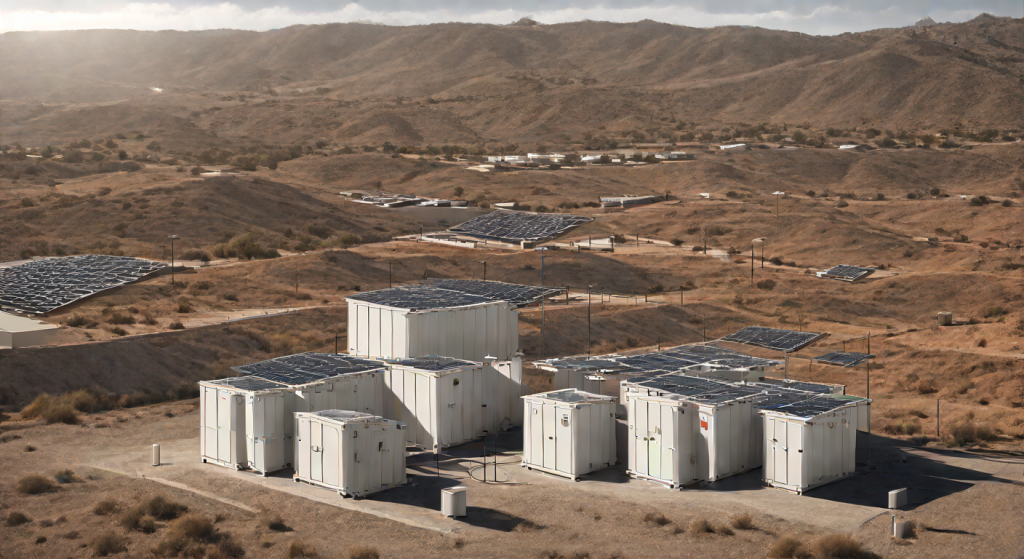
In November 2025, NextNRG Inc. (NASDAQ: NXXT) executed a 28-year power purchase agreement with Sunnyside Nursing and Post-Acute Care Center in Torrance, California, covering a 409 kW rooftop solar system and 300 kW battery energy storage system. That deal, projected to generate approximately $5 million in gross revenue over its term, demonstrated the long-duration PPA model now being applied to smaller skilled nursing facilities.
The total addressable market for resilient energy systems at U.S. healthcare facilities has been estimated at more than $3.2 billion annually, targeting 15,000 licensed nursing homes and 32,000 assisted living facilities. California requires skilled nursing facilities to maintain alternate power sources capable of 96-hour operation as of January 2024.
Grid Reliability Implications
For PJM Interconnection, which serves Hagerstown through Potomac Edison, hospital microgrids represent a category of demand that can transition from grid-dependent to islanded load during reliability events. Maryland and Pennsylvania recorded the largest year-over-year residential rate increases in the PJM footprint through October 2025, at 18.4 percent and 17.5 percent respectively, sharpening the financial case for healthcare facilities to add on-site generation capacity.
Critical Analysis
The 2.4 MW CHP synchronous generator paralleled with the rooftop solar inverter array creates harmonic interaction at the hospital distribution bus: six-pulse solar inverters produce 5th (300 Hz) and 7th (420 Hz) characteristic harmonic currents that must be absorbed by the CHP source impedance. The 2.4 MW island-capable microgrid reduces BGE grid dependency during outages, relieving local distribution transformer loading; reconnection from island mode requires IEEE 1547-2018 Section 8.1 reconnection timing compliance to avoid out-of-phase synchronization transients on the BGE feeder.
5-Year Projection
By 2031, operational data from facilities like this will become the standard requirement for securing interconnection agreements, as ISOs prioritize proven Combined Heat and Power CHP profiles.
Critical Perspective
Meritus Medical Center’s projected $1.6 million annual energy savings, while substantial, must be weighed against the significant upfront capital investment and ongoing operational complexities inherent in a 2.4 MW CHP microgrid. This ambitious undertaking mirrors the challenges faced by other large institutions, such as the University of California, San Diego’s similarly sized microgrid which has struggled with consistent cost-benefit realization due to fluctuating natural gas prices and maintenance demands. Consider the failed attempt by the city of Burlington, Vermont to achieve projected savings with their renewable-heavy microgrid, which ultimately required substantial public subsidies to remain operational. Given the historical volatility of energy markets and the specialized maintenance required for CHP systems, how long will it truly take for Meritus to recoup its investment and achieve the stated financial targets?