Baton Rouge General Installs 9.4 MW Gas Microgrids
- Healthcare Facilities Microgrids News
Marin Holt
- 0
- 7 minutes read
- Baton Rouge General activated 9.4 MW of natural gas microgrids across Bluebonnet (3.6 MW) and Mid City (5.8 MW) campuses in November 2025
- Systems installed by Enchanted Rock under Entergy Louisiana's Power Through program with $9M in state capital outlay funding
- 20-year fixed-fee agreement eliminates upfront capital cost for the hospital
- Natural gas pipeline delivery provides resilience that diesel generators cannot match during hurricane-driven road closures
- System powers all operations including ICU, surgical suites, ER, and inpatient services during extended outages
Baton Rouge General Medical Center activated 9.4 MW of natural gas microgrids across its Bluebonnet and Mid City campuses in November 2025. Entergy Louisiana and Enchanted Rock built the systems under a 20-year fixed-fee agreement funded by $9 million in state capital outlay. The microgrids provide full backup power for both hospitals during grid outages.
What Is Being Built
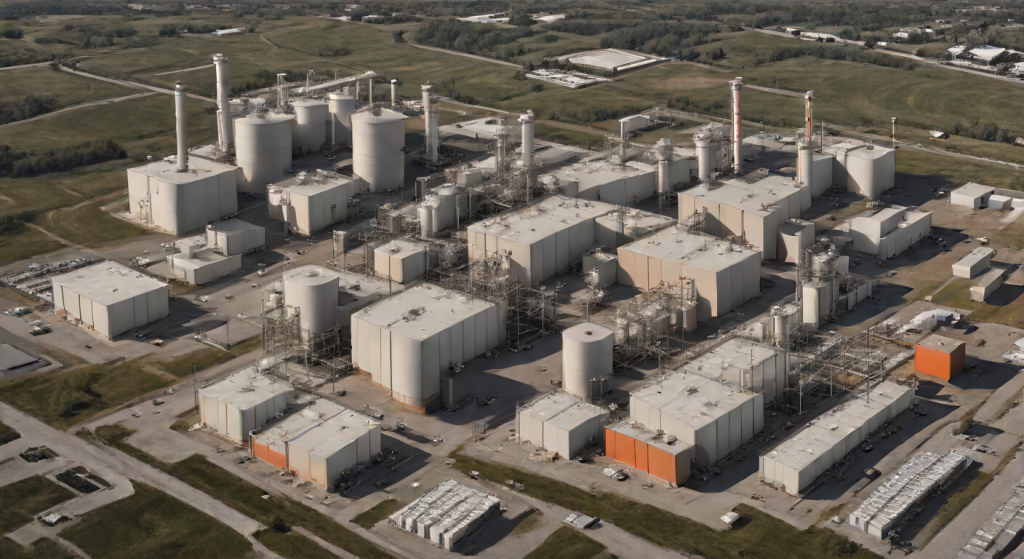
The Bluebonnet campus received a 3.6 MW microgrid. The Mid City campus received a 5.8 MW system. Both run on natural gas and connect directly to the pipeline network, eliminating dependence on stored diesel fuel. The systems integrate with the existing grid during normal operations and island automatically during outages.
Baton Rouge General operates more than 600 beds across three campuses as a community acute care teaching hospital. The microgrids power lifesaving equipment, HVAC systems, lighting, and patient care operations. When the grid is stable, the systems supply power back to Entergy Louisiana’s distribution network.
Why This Matters
Louisiana hospitals face repeated hurricane-driven outages. Diesel generators, the traditional backup, require fuel deliveries that become impossible during major storms. Natural gas pipeline delivery continues when roads are impassable, giving gas-fired microgrids a reliability advantage over diesel during extended emergencies.
The project uses Entergy Louisiana’s Power Through program, a cost-sharing energy resilience service for essential facilities. The fixed monthly fee structure spreads costs over 20 years, removing the large upfront capital barrier that blocks most hospitals from installing on-site generation. The $9 million in state capital funding further reduces the financial burden on the hospital system.
This model addresses a regulatory shift. In 2023, the Centers for Medicare and Medicaid Services issued a categorical waiver allowing microgrids to serve as backup power for healthcare facilities alongside diesel generators. Before that waiver, hospitals risked losing Medicare reimbursement eligibility if they relied on anything other than fossil-fired backup generators. The National Electric Code 2023 edition also permits microgrids in healthcare facilities for the first time.
Implementation Details
Enchanted Rock, a Texas-based on-site generation provider, designed and installed the natural gas generator systems. Entergy Louisiana handled grid integration and manages the Power Through program. The 20-year agreement locks in pricing and maintenance responsibility with the utility and developer.
Other hospital microgrid projects show similar momentum. Kaiser Permanente launched the largest hospital-based renewable microgrid in the U.S. at its Ontario, California medical center in April 2025, combining 2 MW of solar, 9 MWh of zinc-bromide battery storage, and a 1 MW fuel cell. Meritus Medical Center in Hagerstown, Maryland broke ground on a solar and CHP microgrid in October 2025 that projects $1.6 million in annual energy savings. The hospital microgrid market is growing because the CMS waiver, utility cost-sharing programs, and state grants reduce financial risk for healthcare systems.
Source: Microgrid Knowledge
Critical Analysis
Two gas-fired synchronous generators (3.6 MW and 5.8 MW on separate campuses) island from Entergy’s distribution network using automatic transfer switches. The 9.4 MW hospital microgrid reduces grid peak demand during normal operation and eliminates facility load during islanding events.
5-Year Projection
By 2031, operational data from facilities like this will become the standard requirement for securing interconnection agreements, as ISOs prioritize proven Natural Gas profiles.
Critical Perspective
The article highlights 9.4 MW of natural gas microgrids installed at Baton Rouge General, a significant capacity. However, similar to Kaiser Permanente’s extensive microgrid deployments, the long-term operational costs and actual resilience during extreme weather events remain to be definitively proven. We saw the challenges faced by New York City’s Con Edison when attempting to integrate distributed energy resources, leading to significant delays and cost overruns. Given the 20-year agreement, what happens when the fixed fee no longer reflects market realities or when the technology requires substantial upgrades beyond the initial scope?