Kaiser Permanente Commissions 2 MW Microgrid in Ontario, CA
- Healthcare Facilities Microgrids News
Marin Holt
- 0
- 6 minutes read
- 2 MW solar + 9 MWh non-lithium battery storage + 1 MW fuel cell at Kaiser Permanente Ontario Medical Center, California
- $8.3 million California Energy Commission grant funded the battery storage system via Faraday Microgrids
- Microgrid provides minimum 10 continuous hours of emergency backup power without diesel generation
- On-site solar projected to generate 3,300 MWh/year, displacing 650 metric tons CO2 annually
- Valley Children's Hospital installs 34.4 MWh Redflow flow battery under DOE LDES funding beginning 2025
Project Overview
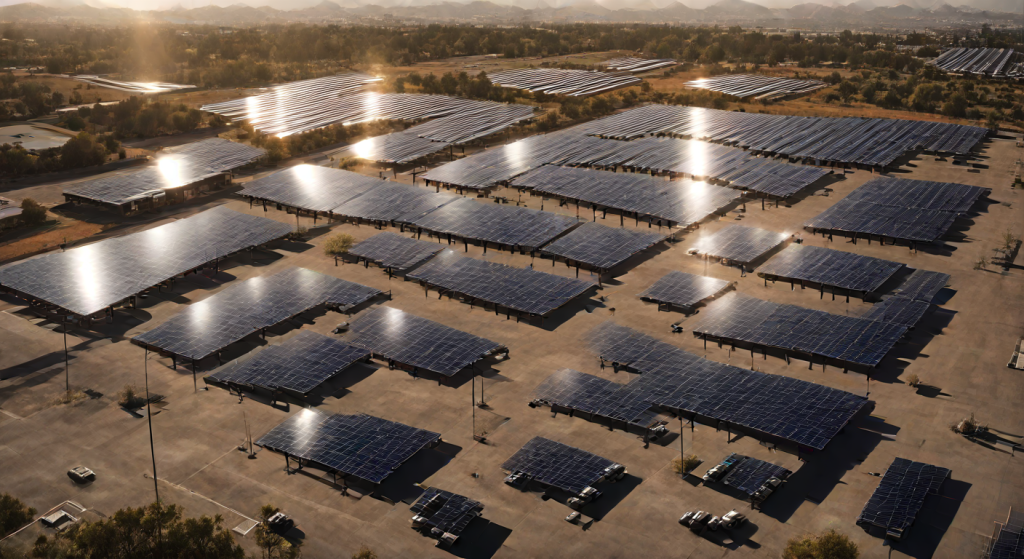
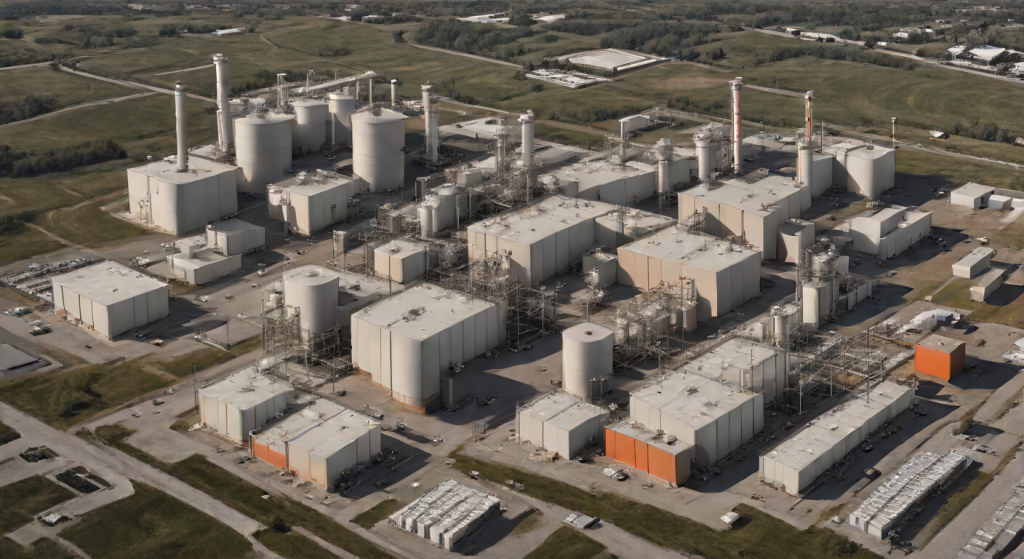
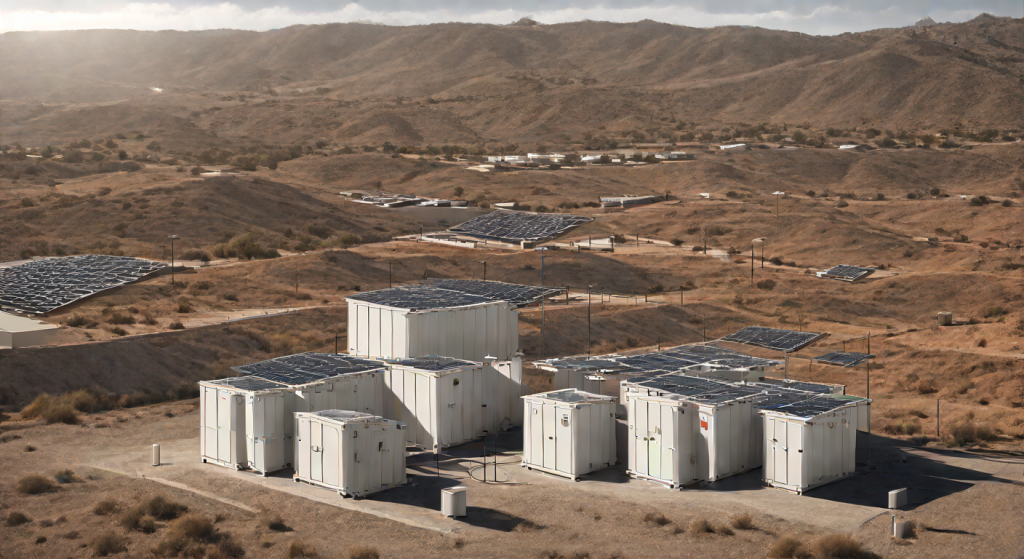
Kaiser Permanente has commissioned the largest hospital-based renewable energy microgrid in the United States at its Ontario Medical Center in San Bernardino County, California. The system integrates 2 MW of rooftop and canopy solar generation, 9 MWh of non-lithium iron battery storage, and a 1 MW molten carbonate fuel cell. The California Energy Commission provided an $8.3 million grant to project developer Faraday Microgrids; Ameresco installed the solar canopy infrastructure under a power purchase agreement with Kaiser Permanente.
Under normal grid conditions, the microgrid dispatches solar and fuel-cell power continuously, reducing the facility’s draw from Southern California Edison. When utility power fails, the microgrid islands within seconds, sustaining all emergency electrical loads for a minimum of 10 continuous hours without diesel combustion. The hospital’s legacy diesel generators remain on standby but are no longer the first response to outages.
Power Quality and Islanding Performance
The system’s power electronics maintain voltage and frequency within NFPA 99 healthcare facility tolerances during the transition from grid-tied to island mode. The non-lithium battery chemistry offers high cycle depth without the thermal runaway risk associated with lithium-ion systems, a critical consideration in a hospital environment subject to Joint Commission and CMS oversight.
The Centers for Medicare and Medicaid Services issued updated guidance in 2024 permitting hospitals to designate a Health Care Microgrid System as a compliant source of both normal and emergency power, removing a regulatory barrier that had previously limited microgrid adoption in acute-care settings.
Emissions and Cost Data
Kaiser Permanente projects the on-site solar array will generate approximately 3,300 MWh per year of zero-carbon electricity, displacing roughly 650 metric tons of CO2 annually, equivalent to removing 140 passenger vehicles from the road. The facility is located in the South Coast Air Quality Management District, where each hour of avoided diesel generator operation contributes directly to NOx and particulate matter compliance. Energy cost reductions are estimated at up to 50% compared to full grid dependence, driven by reduced peak demand charges and the PPA structure for solar.
Pediatric Precedent: Valley Children’s Hospital, Madera
A parallel project at Valley Children’s Hospital in Madera, Central California’s only freestanding pediatric acute-care facility, is installing a 34.4 MWh redox flow battery system supplied by Redflow, also developed by Faraday Microgrids. Financing draws from the U.S. Department of Energy’s Long Duration Energy Storage fund and the California Energy Commission. Battery installation began in 2025 and continues through 2026. The Madera facility faces recurring wildfire-related Public Safety Power Shutoffs, making long-duration storage particularly relevant.
Market Context
The hospital microgrid market is expanding as healthcare systems recognize that grid-only dependence creates unacceptable patient safety risk during wildfire, storm, and extreme heat events. Hybrid microgrid configurations combining renewables, storage, and backup generation reduce healthcare facility energy costs by 30 to 50 percent while meeting or exceeding generator-only backup performance standards.
Power Quality Analysis
The IEEE 1547-2018 Category B inverters at Ontario Medical Center must transition to island mode within milliseconds, maintaining voltage within NFPA 99-2021 Section 6.4.1.1.8 plus or minus 10% nominal for Type 1 essential electrical systems. The 2 MW solar array and 1 MW fuel cell reduce draw from Southern California Edison by up to 3 MW during daylight hours, providing local voltage support on the SCE distribution feeder.
Critical Perspective
The article states the microgrid has 2 MW of solar. This is smaller than the 10 MW solar array at the Google data center in San Jose. The 2012 San Diego Gas & Electric microgrid project at Camp Pendleton also provided backup power. What is the actual cost per MW for this Kaiser Permanente system?