Army Builds First All-Renewable Microgrid at Fort Hunter Liggett
- Microgrids Military & Defense News
Marin Holt
- 0
- 7 minutes read
- Fort Hunter Liggett $21.8 million microgrid is the only DOD installation operating entirely on renewable energy
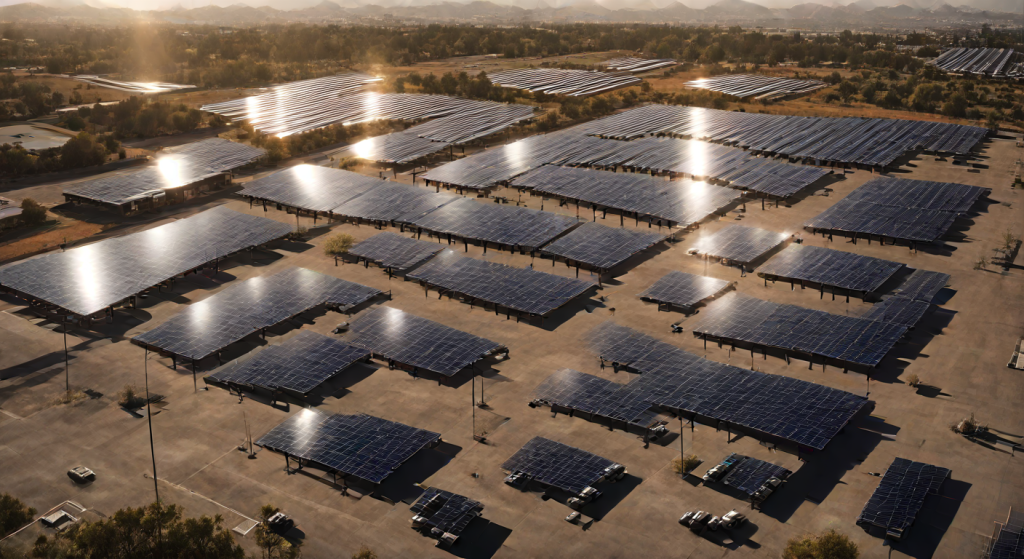
- Ribbon cutting September 17, 2024; adds 3.75 MW PV to existing 3 MW array and installs 2.5 MW / 5 MWh battery storage
- System provides up to 14 days of island-mode operation during utility grid outage
- Installation located at end of utility transmission grid in remote Monterey County, California
- Army goal: microgrid on every installation by 2035
The U.S. Army completed three pioneering microgrid projects in 2024 that establish new benchmarks for military energy resilience. Fort Hunter Liggett in California now operates the Department of Defense’s only microgrid powered entirely by renewable energy, a $21.8 million system that sustains critical operations for up to 14 days without grid power.
Fort Hunter Liggett: Zero-Carbon Military Power
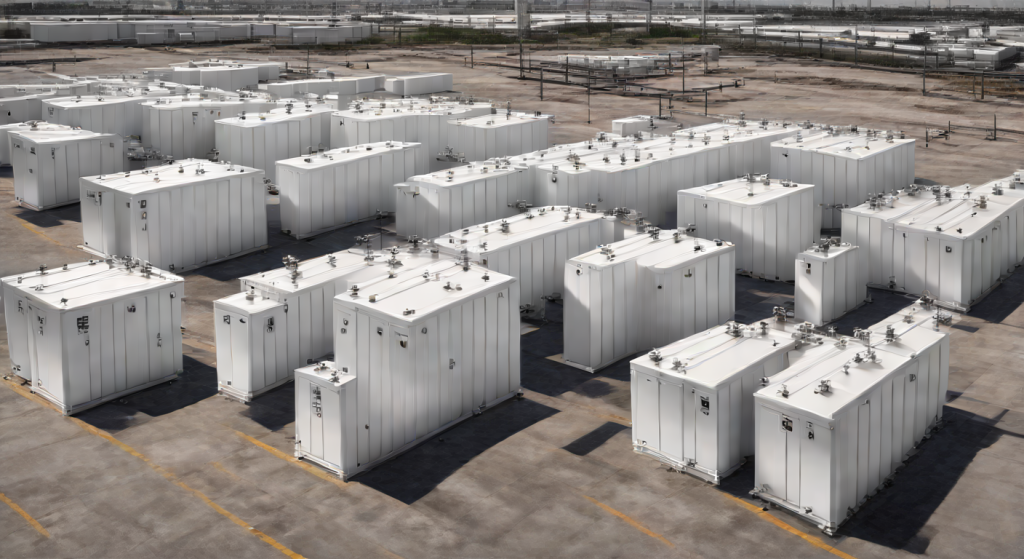
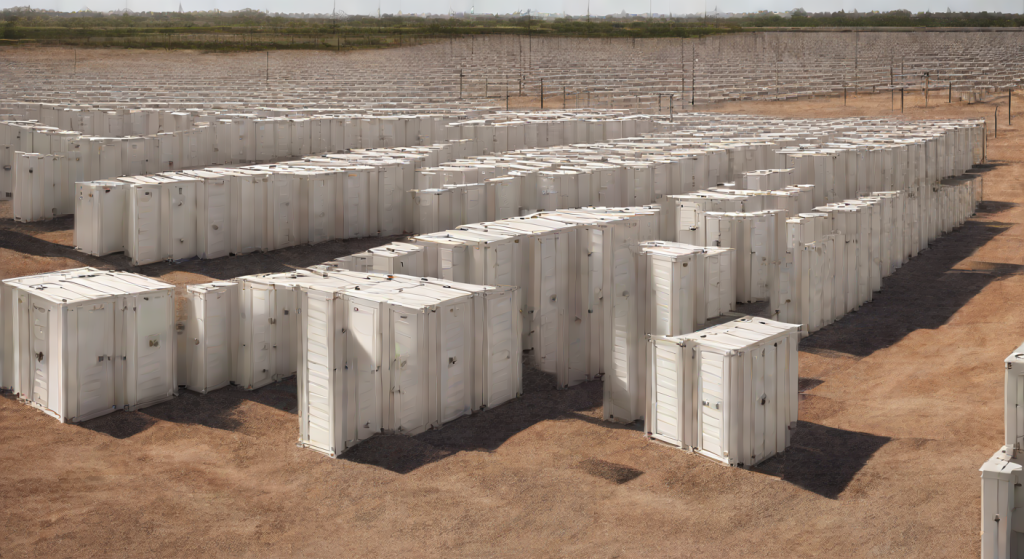
The Fort Hunter Liggett microgrid pairs solar photovoltaic arrays with a 5 MWh battery energy storage system. No diesel generators. No carbon-based backup. The system, built by Ameresco in partnership with the U.S. Army Corps of Engineers and Lawrence Berkeley National Laboratory, reached completion in September 2024.
The installation proves that military bases do not need fossil fuel backup to maintain mission-critical power. During grid outages, the microgrid isolates from the utility and runs independently on stored solar energy for up to two weeks. This eliminates fuel supply chain vulnerabilities that compromise conventional backup generation.
Camp Arifjan: Desert Microgrid Expansion
At Camp Arifjan in Kuwait, the Army Corps of Engineers and Idaho National Laboratory completed an expanded hybrid microgrid with solar arrays, battery storage, and advanced inverters. The project includes a 40 kW carport solar system and a water reclamation initiative. It holds the distinction of being the first Energy Resiliency Conservation Investment Program (ERCIP) project in the region.
The desert deployment validates microgrid performance in extreme heat conditions where conventional power systems face significant derating. Sain Engineering Associates partnered on the technical design, integrating solar generation with battery storage to reduce dependence on imported diesel fuel.
Army Reserve Fleet Electrification
The Army Reserve signed a five-year agreement with TechFlow to deploy 2,800 electric vehicles across more than 760 facilities nationwide. The program integrates EV charging with microgrid infrastructure where feasible. Installations already operational include 15 charging stations at Fort Buchanan in Puerto Rico, four at Fort McCoy in Wisconsin, and 10 across two California facilities.
Why This Matters
The Army operates more than 40 microgrids across its installations, with at least 35 additional projects under development out of 130 facilities under evaluation. The service targets a microgrid on every installation by 2035 and enough renewable generation plus battery storage to self-sustain critical missions by 2040.
Fort Hunter Liggett’s all-renewable design eliminates the fuel logistics problem that defines most military backup power. A base that depends on diesel generators depends on trucks delivering fuel, which depends on roads staying open, which depends on the same grid infrastructure the generators exist to replace. Solar plus storage breaks that circular dependency.
The FY2026 defense budget requests over $500 million for ERCIP projects. Industry projections estimate military microgrid spending will reach $1.4 billion in 2026 as the Pentagon accelerates energy resilience timelines across all service branches.
Source: Microgrid Knowledge
Critical Analysis
Fort Hunter Liggett’s 6.75 MW solar + 2.5 MW/5 MWh all-inverter microgrid contains zero rotational inertia, requiring the BESS to operate in grid-forming mode that establishes voltage and frequency reference during 14-day islanding intervals. Fort Hunter Liggett operates as a true island: 6.75 MW solar and 2.5 MW/5 MWh BESS self-balance supply and demand for up to 14 days without grid support.
5-Year Projection
By 2031, operational data from facilities like this will become the standard requirement for securing interconnection agreements, as ISOs prioritize proven Solar PV profiles.
Critical Perspective
The $21.8 million Fort Hunter Liggett microgrid sustains operations for 14 days. Ameresco built a similar 10 MW microgrid for a municipal utility in 2022. The DOE’s own 2019 report on military microgrids noted persistent cost overruns and performance gaps. What is the projected lifespan of this all-renewable system under sustained, high-demand military use?