Forum Mobility Opens 9 MW EV Truck Depot in Long Beach
- EVs Fleet & Depot Charging News
Marin Holt
- 0
- 6 minutes read
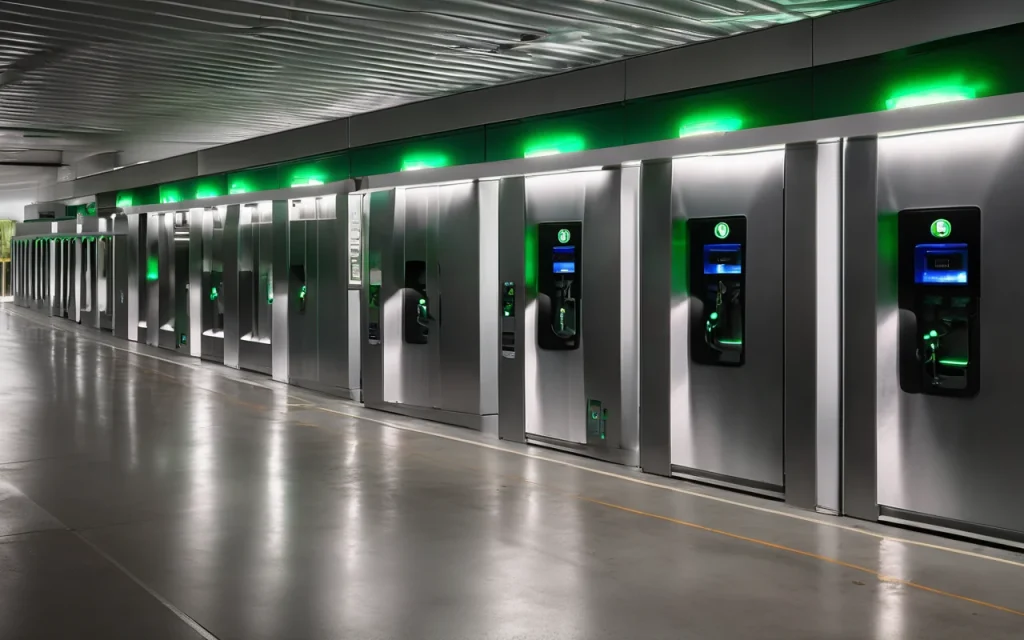
- Forum Mobility opened FM Harbor at the Port of Long Beach in January 2025, the largest port-based electric truck charging depot in the United States
- FM Harbor delivers 9 MW of total charging capacity through 44 high-speed dispensers serving more than 200 electric drayage trucks per day
- The Port of Long Beach expects to have more than 100 electric truck charging stations by spring 2025, the most of any U.S. seaport
- California's Advanced Clean Fleets rule requires the ports of Los Angeles and Long Beach to transition to a fully zero-emission drayage truck fleet by 2035
- Forum Mobility plans eight additional charging stations across California freight corridors including Compton, Inland Empire, Oakland, and Stockton
Forum Mobility opened FM Harbor at the Port of Long Beach in January 2025, establishing the largest port-based electric truck charging depot in the United States. The facility delivers 9 megawatts of total charging capacity through 44 high-speed charging dispensers capable of serving more than 200 electric drayage trucks per day. The launch marks a pivotal moment in California’s effort to electrify the 38,000 diesel trucks that move goods in and out of the ports of Los Angeles and Long Beach, which together handle roughly 40 percent of U.S. containerized imports.
What FM Harbor Delivers
FM Harbor serves the drayage trucks, Class 8 tractor-trailers, that haul containers between the port terminals and the warehouses and distribution centers of the Inland Empire. These trucks currently account for a disproportionate share of diesel particulate matter in communities surrounding the port complex, where childhood asthma rates run significantly above California averages. Forum Mobility’s 44-dispenser facility charges trucks at high enough power levels to turn around a fully depleted truck battery in the time a driver takes a mandatory rest break. Port of Long Beach CEO Mario Cordero said the port expects to have more than 100 electric truck charging stations by spring 2025, ahead of schedule and more than any other seaport in the United States.
The Regulatory Pressure Behind the Build
California’s Advanced Clean Fleets rule requires the ports of Los Angeles and Long Beach to transition to all zero-emission cargo handling equipment by 2030 and to a fully zero-emission drayage truck fleet by 2035. The South Coast Air Quality Management District’s warehouse indirect source rule and CARB‘s in-use truck regulations layer additional pressure on carriers and shippers to accelerate electrification ahead of those deadlines. The 9 MW FM Harbor depot is part of a broader Forum Mobility strategy to develop eight more charging stations across California freight corridors including Compton, the Inland Empire, Oakland, and Stockton, creating a statewide charging network for the heavy-duty electric trucks arriving from Volvo, Kenworth, Freightliner, and other manufacturers that have production commercial EV programs for the drayage market.
Grid Connection and Power Quality at Port Scale
A 9 MW depot served by Southern California Edison at the Port of Long Beach represents a single-facility load comparable to a small industrial campus. The utility interconnection for a depot at this scale requires a dedicated medium-voltage service entrance, typically 12 kV or 4.16 kV, with transformer sizing to handle peak coincident charging demand. Forum Mobility’s depot charges trucks primarily during port operating hours, creating a predictable daily load ramp that utilities accommodate with distribution planning. Climate United, leveraging a U.S. Environmental Protection Agency grant, is investing up to 250 million dollars to purchase up to 500 Class 8 electric trucks for use at California ports, creating a pipeline of electric truck demand that will require additional charging depot capacity beyond what FM Harbor alone provides.
Critical Perspective
The article states the new depot offers 9 megawatts of charging capacity. This is a significant build, but Shell Recharge operates over 100 MW of EV charging globally. The Port of Oakland’s 2022 pilot program for electric drayage trucks faced challenges with charger uptime and grid integration. Will this 9 MW depot achieve sustained operational reliability and grid compatibility?