Fremont School District Commissions V2G Electric Bus Fleet
- EVs Fleet & Depot Charging News
Marin Holt
- 0
- 7 minutes read
- Fremont Unified School District commissioned 14 electric school buses with 22 chargers including 6 bidirectional V2G DC fast chargers
- PG&E upgraded the depot from 208V to 480V 3-phase service with a new 750 kVA transformer and 2,500A switchgear
- The Mobility House ChargePilot platform manages charging/discharging via OpenADR signals from PG&E
- Fleet participates in PG&E's Emergency Load Reduction Program, exporting stored energy during grid stress events
- Project funded by California Energy Commission's Replicable Vehicle-to-X Deployment Study (RVXDS)
Pacific Gas and Electric, The Mobility House, and Fremont Unified School District commissioned a vehicle-to-grid electric school bus fleet with 14 electric buses and 22 chargers, including six high-power bidirectional DC fast chargers built by Tellus Power. The project, funded by the California Energy Commission, represents the state’s most advanced V2G school bus deployment and a working model for how electric fleets generate grid revenue when parked.
Fleet and Infrastructure Specs
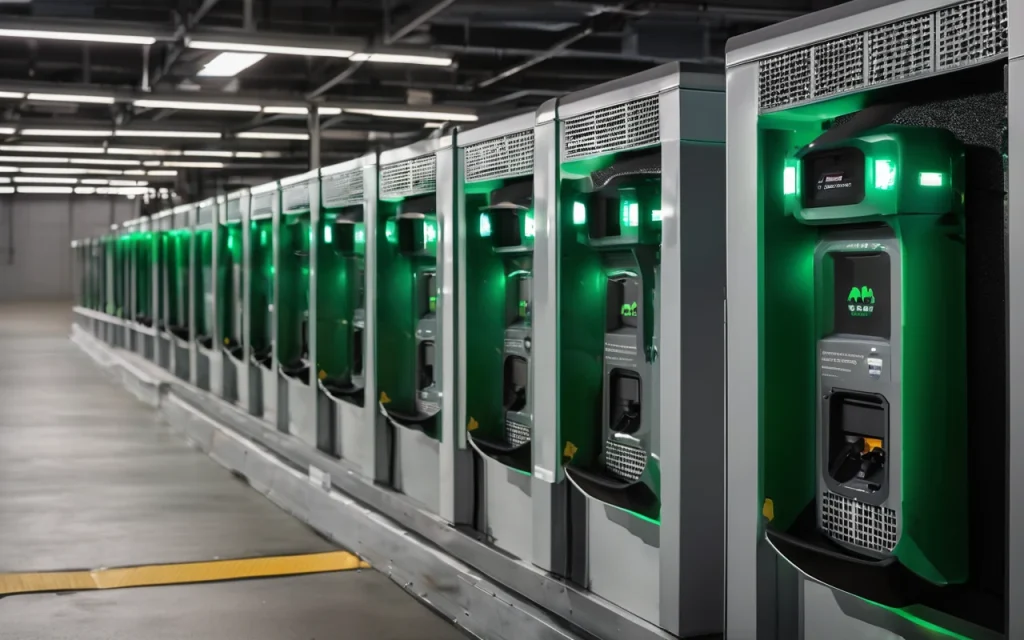
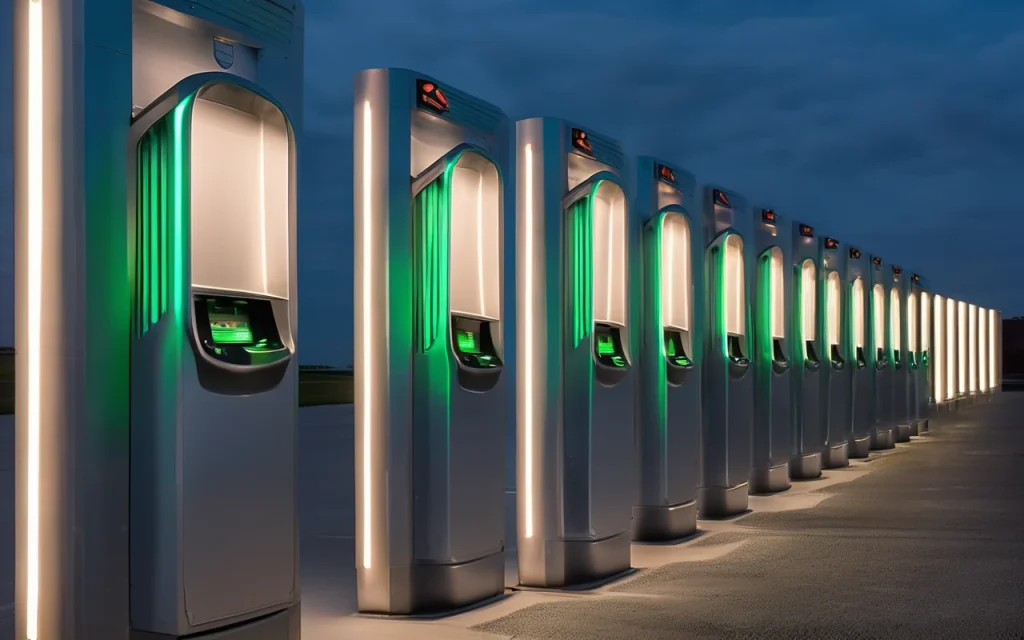
The fleet includes four Thomas Built and ten Blue Bird electric buses, replacing six diesel vehicles. The charging depot received substantial electrical upgrades: a new 750 kVA transformer, service entrance upgraded from 208V to 480-volt 3-phase power, and 2,500 Amp switchgear capacity. Fourteen low-power chargers handle overnight fleet charging while six bidirectional V2G DC fast chargers enable energy export back to the grid.
Two additional high-power unidirectional chargers are planned for 2026. The Mobility House’s ChargePilot platform optimizes both charging and discharging schedules across the entire fleet using open standards, coordinating bus availability with grid needs.
How V2G Revenue Works
School buses sit idle for 18 or more hours per day, making them ideal distributed energy assets. During afternoon peak demand periods, the Fremont fleet exports stored energy to PG&E’s grid through the utility’s Emergency Load Reduction Program. The system receives dispatch signals via OpenADR, the open automated demand response protocol, and responds automatically without driver or dispatcher intervention.
The fleet is interconnected under California Electric Rule 21, which governs distributed generation exports. This regulatory framework allows the school district to earn revenue for energy exported during grid stress events, offsetting the higher upfront cost of electric buses and bidirectional charging infrastructure.
Why School Buses Are the V2G Sweet Spot
The economics of V2G favor vehicles with predictable schedules, large batteries, and long idle periods. School buses check all three boxes. They operate fixed morning and afternoon routes, carry 100-155 kWh battery packs, and park for the entire summer plus weekends and holidays. A fleet of 14 buses represents a dispatchable energy asset that grid operators treat as a small virtual power plant.
Fremont is PG&E’s second V2G school bus deployment, following Oakland Unified School District in 2024. The Department of Energy’s Scaling Vehicle-to-Grid Integration Nationally (SVIN) program awarded $10.9 million through Highland Electric Fleets to deploy 14 additional V2G pilot projects nationwide, signaling federal commitment to the model.
Implementation Lessons
The Fremont project highlights three infrastructure requirements that other districts should plan for. First, significant electrical upgrades. The jump from 208V to 480V 3-phase with a 750 kVA transformer represents a material capital investment beyond the buses and chargers themselves. Second, bidirectional charger availability remains limited. Tellus Power is one of a small number of manufacturers producing V2G-capable DC fast chargers at commercial Scale. Third, interconnection under Rule 21 requires utility coordination and engineering review that adds months to project timelines.
Source: T&D World
Critical Perspective
Commissioning $10.9 million of capacity is the straightforward milestone; the harder test is sustained performance over the first 12 months under real dispatch conditions. Comparable battery systems have achieved 78 to 85% of projected round-trip efficiency in year one as BMS calibration and thermal management are refined , the 182.5 MWh Elkhorn unit at Moss Landing required 18 months of post-commissioning adjustment before reaching nameplate throughput. The question energy professionals should be asking: what performance guarantee is in place, and at what efficiency threshold does the warranty trigger?