Port of Long Beach Authorizes $58.2 Million for 61 Electric Cargo Machines and 21 Charging Stations
- EVs Fleet & Depot Charging News
Marin Holt
- 0
- 5 minutes read
- Funding Authorized: $58.2 million
- Electric Cargo Machines: 61
- Charging Stations: 21
- Zero-Emission Harbor Craft: 6
- Board Approval: June 24, 2026
The Long Beach Board of Harbor Commissioners authorized $58.2 million on June 24, 2026 to buy 61 human-operated electric cargo-handling machines and install 21 charging stations at the Port of Long Beach, one of the largest single equipment-electrification orders yet at a U.S. container port. The funding, drawn from California’s System-Wide Investment in Freight Transport (SWIFT) program, also covers 6 zero-emission harbor craft, 5 cleaner vessels replacing older diesel boats, and 1 zero-emission locomotive.
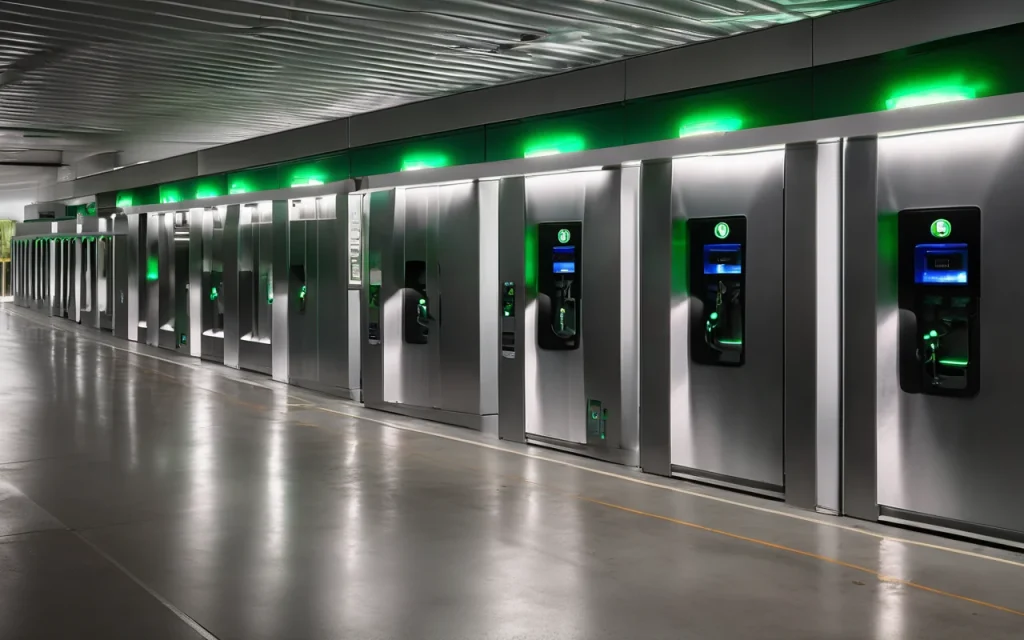
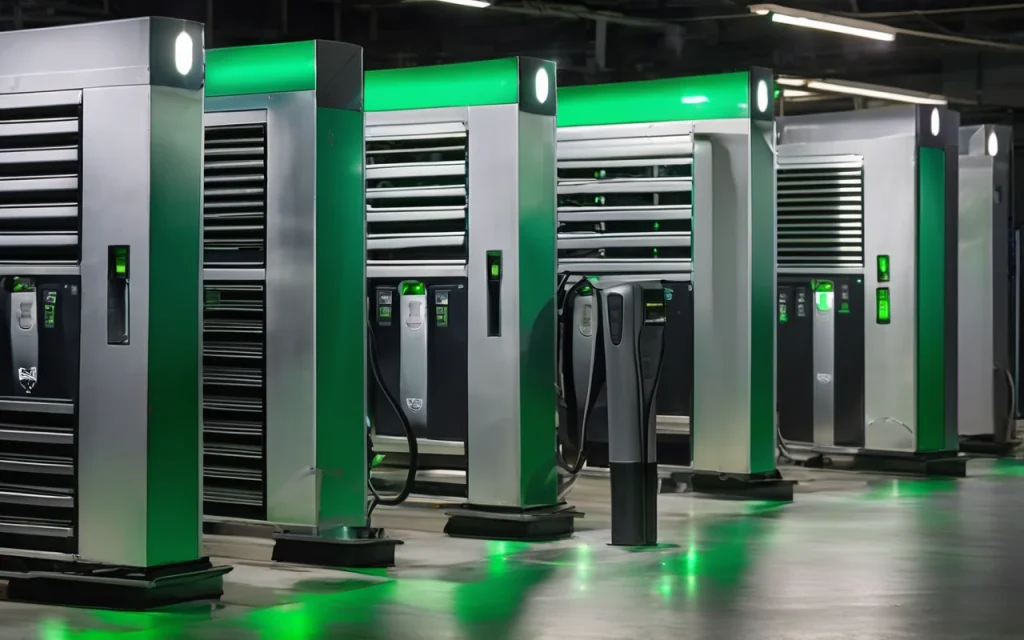
The 21 charging stations anchor the package. Human-operated cargo handlers such as top-handlers, forklifts, and yard tractors move containers between ships, stacks, and rail, and each battery-electric unit needs depot charging sized for heavy-duty use. Pooling 21 chargers for a shared fleet of 61 machines is the depot-charging model ports are using to scale zero-emission equipment without wiring every stall to its own service.
Why the Port Is Buying in Bulk
The Port of Long Beach and the neighboring Port of Los Angeles work under the San Pedro Bay Ports Clean Air Action Plan target to move all terminal cargo-handling equipment to zero emissions by 2030. Human-operated machines are the near-term focus because battery-electric versions are on the market today. SWIFT, partially funded by the California State Transportation Agency, lets the port buy equipment and charging together so terminal operators are not left with electric machines and nowhere to plug them in.
Expanding our clean technology portfolio is critical to the future of goods movement and to the health of the communities around us.
Dr. Noel Hacegaba, CEO, Port of Long Beach
Why It Matters
Twenty-one new heavy-duty chargers concentrated at one port add a distinct block of megawatt-scale load that Southern California Edison and the port’s own grid upgrades have to serve, on top of shore power for docked ships. For fleet operators, the charging build-out, not the vehicles, sets the pace of port electrification: the equipment order and the 21 stations moved together in one authorization because one without the other stalls. Ports weighing zero-emission mandates elsewhere will copy the paired funding structure, buying chargers and machines in a single grant rather than sequencing them.
Critical Perspective
The Long Beach board authorized $58.2 million for 61 electric cargo machines and 21 chargers, a real order but a sliver of the thousands of pieces of terminal equipment the San Pedro Bay ports must convert by 2030. The neighboring Port of Los Angeles faces the same deadline, and both remain far short, because the money here comes from California’s SWIFT grant rather than a self-sustaining business case terminal operators can repeat on their own. The ports’ own Shore-to-Store hydrogen freight demonstration deployed only a handful of trucks and then struggled to scale once its grant support ran out, the usual fate of these subsidized clean-equipment pilots. If a $58.2 million grant moves just 61 machines four years before the deadline, what funds the rest of the fleet, and can Southern California Edison energize 21 heavy-duty chargers on that timeline?
Sources
- Port of Long Beach – Port of Long Beach Approves $58 Million for Clean Technology (June 24, 2026)
- Progressive Railroading – Long Beach port invests $58M in zero-emission equipment
- Charged EVs – Port of Long Beach invests $58.2 million to expand vehicle and equipment electrification
- MyNewsLA – Port of Long Beach OKs $58M for Clean Technology