Fort Campbell Completes 12 MW Microgrid for 101st Airborne
- Microgrids Military & Defense News
Marin Holt
- 0
- 6 minutes read
- Fort Campbell 12 MW natural gas microgrid scheduled for December 2025 handover from USACE Louisville District
- System uses three 2 MW natural gas generators providing 100% mission capacity for two weeks without grid power
- Fort Campbell hosts 101st Airborne Division (Air Assault), 5th Special Forces Group, and 160th Special Operations Aviation Regiment
- Black start test required before handover to confirm microgrid can restart from completely de-energized state
- Fort Campbell located on Kentucky-Tennessee border; USACE Louisville District managed construction
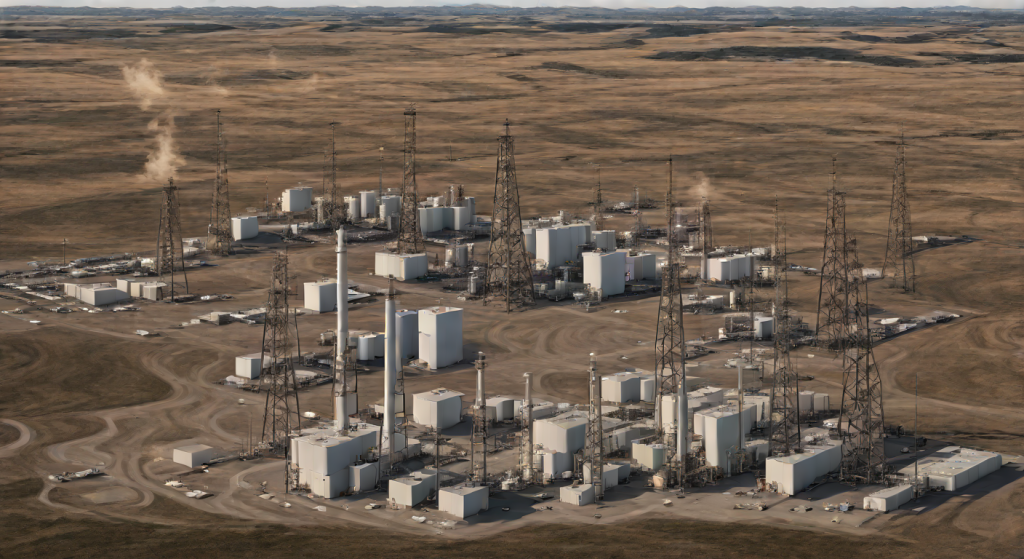
The U.S. Army Corps of Engineers completed a 12 MW natural gas microgrid at Fort Campbell, Kentucky, giving one of the military’s busiest power projection platforms the ability to operate for two weeks without external grid power. The project, built by the USACE Louisville District and Ameresco, reached operational status at the end of 2025 after breaking ground in October 2023.
What the Microgrid Delivers
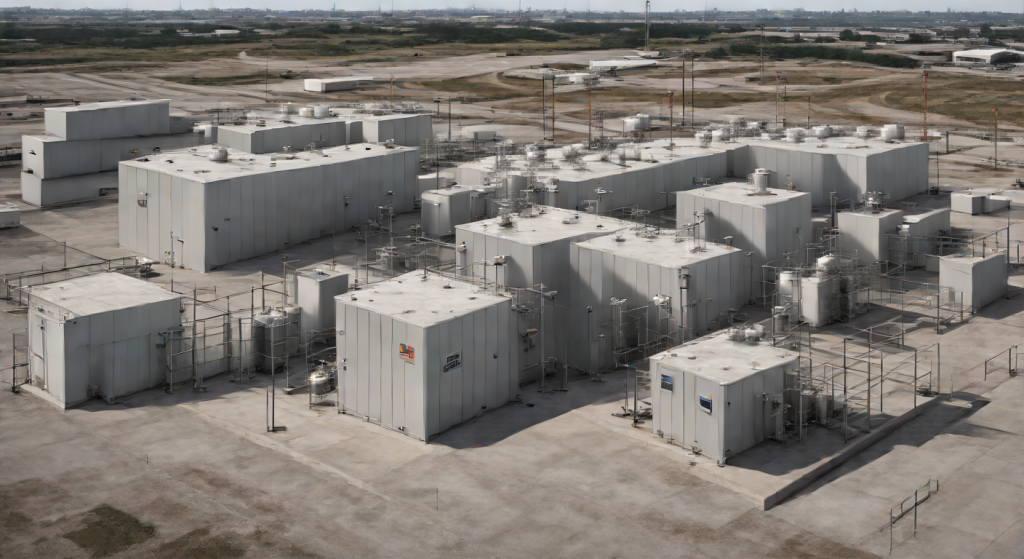
The microgrid consists of multiple natural gas generators paired with advanced controls that coordinate generation, load management, and grid interconnection. The system delivers 100% mission capability for up to 14 days during a grid failure. It includes black start capability, meaning it restores power from a complete de-energization without relying on external sources.
Fort Campbell sits on the Kentucky-Tennessee border and hosts the 101st Airborne Division (Air Assault), the 5th Special Forces Group, and the 160th Special Operations Aviation Regiment. Campbell Army Airfield functions as a primary power projection platform for deploying forces worldwide. An extended power outage here disrupts national defense readiness.
Why This Matters
Fort Campbell is one of the most frequently deployed installations in the Army. The 101st Airborne alone has deployed more than 20 times since 2001. Without reliable power, the base loses communications, airfield operations, barracks climate control, and logistics coordination. The microgrid eliminates single-point-of-failure risk from the regional electric grid.
The project fits the Army’s 2022 microgrid implementation plan, which set a target of 15 operational microgrids by 2026 and a microgrid at every installation by 2035. The Army now operates approximately 30 microgrids across its installations, with nine more under construction and 26 in the design phase.
Implementation Details
The USACE Louisville District managed construction and interconnection. Rachael Haunz, branch chief at the Louisville District, oversaw design coordination. Jack Oakley, the project manager, identified interconnection as the biggest challenge, requiring coordination between the installation, the local utility provider, USACE, and multiple contractors.
The two-year construction timeline from groundbreaking to operational status tracks with other recent Army microgrid projects. Fort Stewart received a $54.3 million contract in January 2026 for a 10 MW natural gas plant with microgrid controls. Fort Hunter Liggett completed a $21.8 million all-renewable microgrid with 5 MWh of battery storage. Each project takes a different technical approach, but all deliver the same 14-day islanding requirement.
The broader Department of Defense microgrid push now includes approximately $1.4 billion in annual spending. The Navy runs parallel programs at Naval Submarine Base New London (18.15 MW combined system) and Naval Base Guam ($97 million battery storage project under construction). The Army’s Energy Resilience and Conservation Investment Program funds new projects each fiscal year through USACE.
Critical Perspective
The 12 MW microgrid at Fort Campbell is now operational. This project is similar to the 10 MW microgrid at Fort Bragg, which also uses natural gas generators. The 2017 microgrid at Camp Lejeune experienced significant delays and cost overruns. What is the projected return on investment for this 14-day resilience capability?