B2U Puts 28 MWh of Repurposed EV Batteries Into ERCOT Service Near San Antonio
- Energy Storage EVs News Utility-Scale BESS
Marin Holt
- 0
- 7 minutes read
- Project capacity: 28 MWh
- B2U ERCOT fleet: 50 MWh
- Repurposed packs managed: 5,000
- Company-wide storage operating: 100 MWh
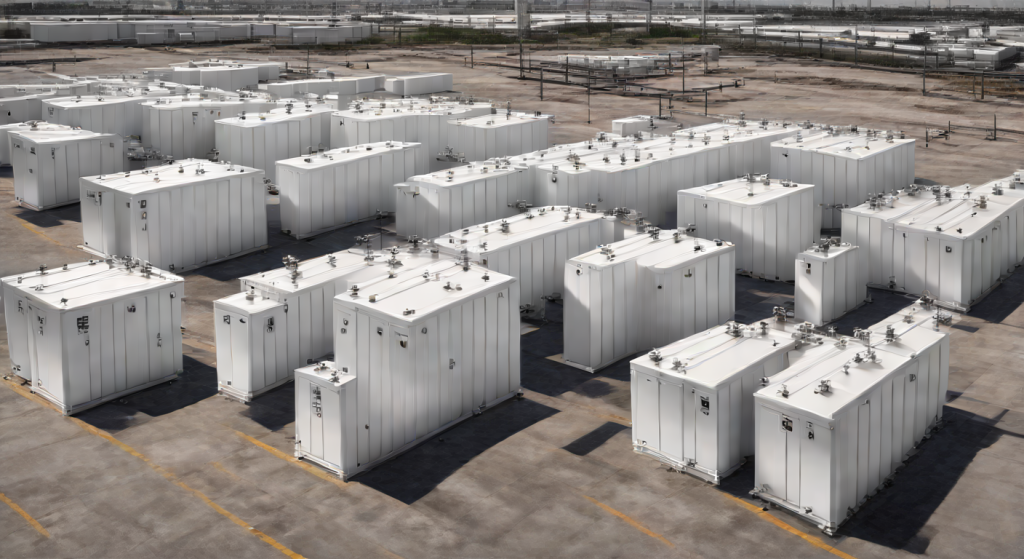
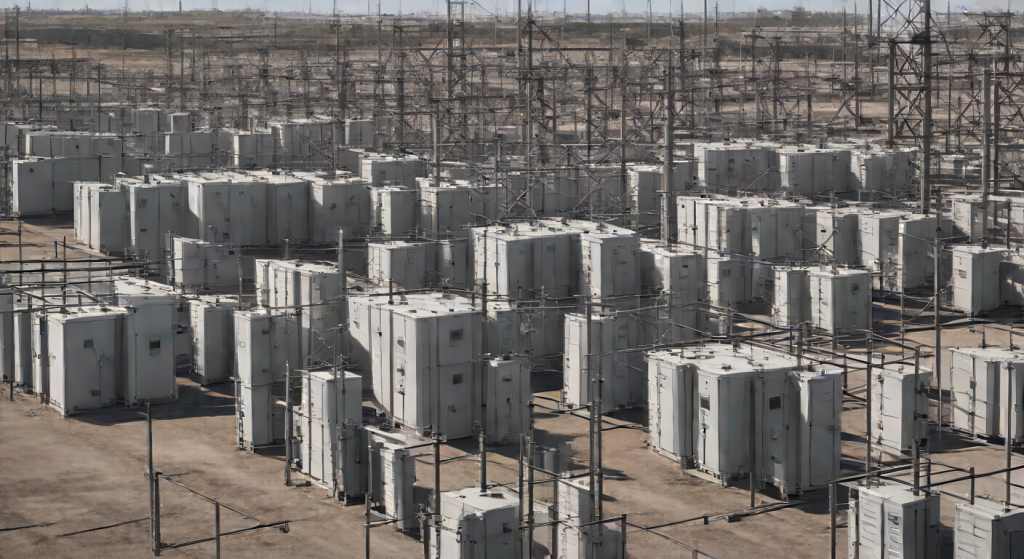
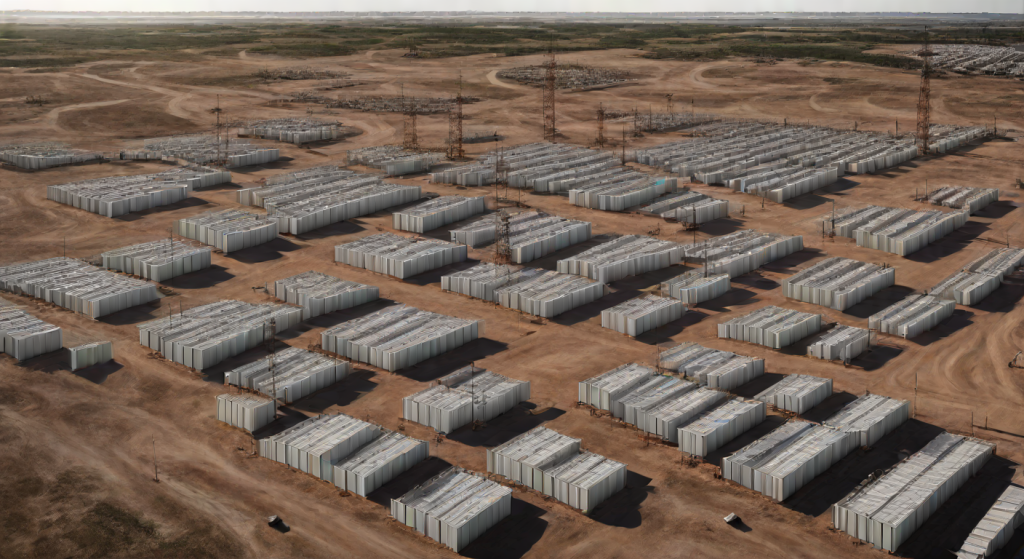
B2U Storage Solutions started the Bexar Martinez battery energy storage system near San Antonio, Texas, on September 9, 2026. The site holds 28 MWh of repurposed electric vehicle battery packs. It delivers grid services into ERCOT from inside CPS Energy’s service territory. Bexar Martinez is the second Texas site B2U has built out of used EV batteries. It lifts the company’s operating ERCOT fleet past 50 MWh.
What Is Being Built
B2U racks whole used EV packs into its own patented cabinets. It does not tear them down and rebuild new modules. The company says it now manages more than 5,000 repurposed packs across Texas and California. It operates roughly 100 MWh in total, in both solar-paired and stand-alone configurations. Its California flagship at Lancaster, also 28 MWh, has run since 2020.
B2U Infrastructure Partners holds the project and closed third-party financing on it. B2U says the site qualifies for the investment tax credit domestic content bonus. The company expects to bring more than 50 MWh of further capacity into ERCOT over the next six months.
One number is missing. Neither the company announcement nor the trade coverage states a power rating for Bexar Martinez. Energy alone does not tell a reader what the site can bid. Duration decides which ERCOT products a battery can serve, and duration is energy divided by power. Without the MW figure the 28 MWh number reads as neither a fast ancillary resource nor a long energy resource.
Why It Matters
Second-life storage has stayed a demonstration category for most of a decade. Canary Media counted only a handful of utility-scale grid batteries built from used packs in July 2025. The idea appeals to everyone. The builds did not follow. A second site under the same cabinet design, in the same market, is the first real evidence that the design repeats.
Cost is the reason to track it. B2U told Canary Media in July 2025 that a finished project of its own runs 30 to 40 percent below a new lithium-ion facility. Canary Media put new lithium-ion enclosures at $150 to $180 per kilowatt-hour at that time, against about $200 per kilowatt-hour for B2U’s own first project in 2020.
Durability was the older worry. B2U’s own field record argues against it. The company had cycled about 2,000 packs by mid-2025. A single-digit number of them needed maintenance. Early Nissan Leaf packs passed their 2,000-cycle target.
For a utility or a developer weighing a second-life bid, the question to put in writing is warranty and end-of-life. A new-cell supplier carries a capacity warranty and a recycling obligation. A repurposer assembling packs from several vehicle generations has to price both itself. Ask for the cycle warranty terms and the disposal plan first. Then compare the two bids on dollars per kWh.
Critical Perspective
An energy rating with no power rating is a choice. Every ERCOT product B2U could sell into is defined by megawatts and by how long the site can hold them. The announcement gives 28 MWh and stops. A reader is left judging the site on the one number that always looks larger.
The cost claim is the company’s own, and it is 14 months old. B2U made the 30 to 40 percent statement to a reporter in July 2025. No audited figure for Bexar Martinez has been published, and new-cell prices have moved since. The durability record has the same problem in a different direction. The 2,000-pack maintenance history belongs to Lancaster, built in 2020 out of early Nissan Leaf packs. Nothing in these sources says which vehicles supplied the Texas packs, so the Lancaster record cannot simply carry over.
The tax position is also an assertion rather than a finding. B2U says the site qualifies for the investment tax credit domestic content bonus. No determination appears in any of the coverage. For a business whose case rests on being cheaper than new cells, that bonus is not a footnote. It is part of the arithmetic, and it is the part a buyer should ask to see documented.
Sources
- GlobeNewswire (B2U Storage Solutions) (2026-09-09)
- Solar Power World (2026-09-09)
- Canary Media (2025-07-29)