Black Hills Will Put 200 MWh of Tesla Megapacks Beside Its 420 MW Pueblo Gas Plant
- Energy Storage News Utility-Scale BESS
Marin Holt
- 0
- 8 minutes read
- Battery rating: 50 MW / 200 MWh
- Tesla Megapack enclosures: 50
- Wind capacity cited as charging source: 149 MW
- Host gas plant: 420 MW
- In service: late 2027
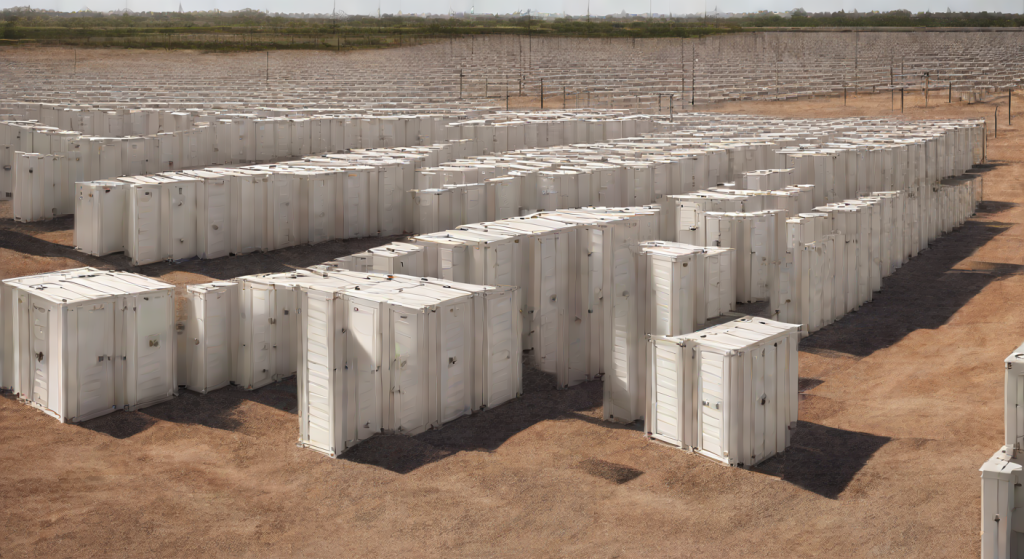
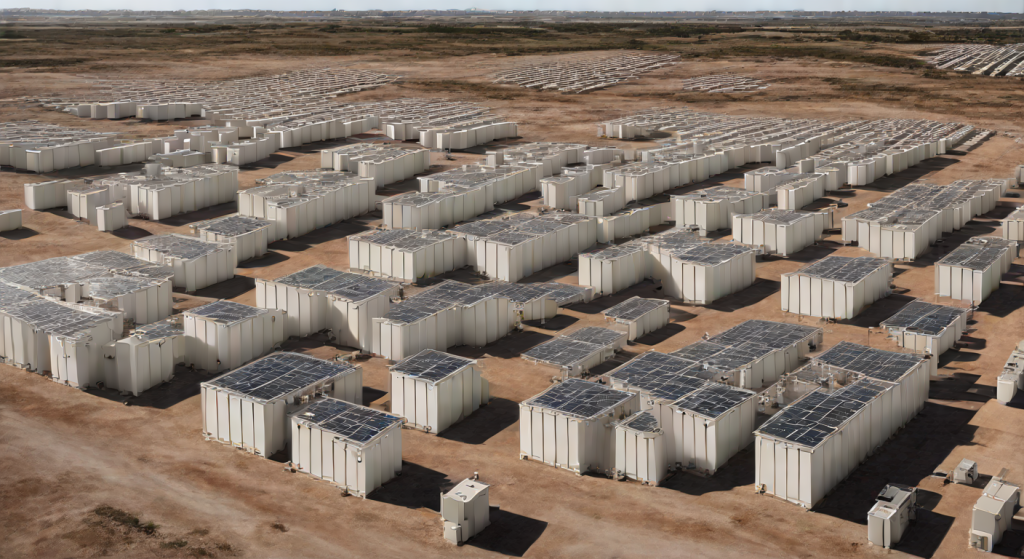
Black Hills Energy is starting construction on the Pueblo Battery Resource. The 50 MW, 200 MWh battery goes in at its Pueblo Airport Generating Station in Pueblo, Colorado. Energy-Storage.News reported the construction start on September 9, 2026. The site takes 50 Tesla Megapack enclosures. It is due to serve Southern Colorado customers in late 2027. Black Hills puts the economic benefit of building and running it at about $30.1 million.
What Is Being Built
Cloudbreak Energy developed the project and oversees construction. Linxon delivers the balance of plant, including the electrical and civil engineering that ties 50 Megapack enclosures into the yard. The rating works out to four hours of discharge.
The host plant matters here. Pueblo Airport Generating Station is a 420 MW natural gas station that came online in 2012. Its third unit, a 40 MW LM6000, was added in 2017. Black Hills says the station has black start capability and serves more than 100,000 of its Southern Colorado customers. Putting a battery inside an existing generating yard reuses an interconnection that already exists.
The Colorado Public Utilities Commission approved the battery in 2025 under Black Hills’ 2022 Clean Energy Plan filing. That plan adds 250 MW of new resources by 2030. The battery is one part of it. A 200 MW utility-scale solar project in Pueblo County is the other. Black Hills says the plan puts its Colorado customers on 53 percent renewable energy by 2030 and cuts greenhouse gas emissions 78 percent against 2005 levels. Big Pivots notes that Colorado law requires an 80 percent cut on the same baseline and the same deadline.
Why It Matters
What actually charges this battery is not settled in the public record, and the answer changes what the asset is worth. Black Hills says the battery will take excess renewable energy from its other renewable resources. Big Pivots reported on September 4 that the intent is to store wind. Three southern Colorado wind installations, 149 MW combined, would do the charging. The company’s own Clean Energy Plan page pairs the battery with the 200 MW Pueblo County solar project instead.
That distinction is not academic. Ron Sinton, quoted by Big Pivots, argued that wind and battery pairings stay underused next to solar. Wind gives no dependable daily charging cycle. He called the strategy “not often seen” at current battery prices. A four-hour battery that fills on a predictable afternoon solar peak runs a different duty cycle than one waiting on overnight wind.
For anyone tracking Colorado resource plans, this is the detail to pull out of the filings rather than the press coverage. Ask which resource the utility modeled as the charging source, and on what hours. A commission approves a battery on the dispatch assumptions in the plan. Those assumptions, not the nameplate, decide whether 200 MWh at Pueblo displaces gas or simply shifts renewable output the system already had.
Critical Perspective
Three tellings of what charges this battery are on the record at once. Black Hills says excess renewable energy from its other renewable resources. Big Pivots says three wind farms totalling 149 MW. The company’s own Clean Energy Plan page pairs the battery with a 200 MW solar project in Pueblo County. Those are not the same asset, and they do not produce on the same schedule.
Ron Sinton’s objection lands on exactly that seam. A four-hour battery earns its keep on a cycle it can count on. Solar supplies one every day. Wind does not. If the wind reading is the right one, the utility is buying four hours of storage against a resource that will sometimes leave it empty at the hour it is needed, and sometimes leave it full for days.
Two other numbers deserve a harder look. The 78 percent emissions cut in the plan sits under the 80 percent Big Pivots says Colorado law requires on the same baseline and the same deadline. That gap is worth a question at the commission, not a footnote. And the $30.1 million economic benefit is a company figure with no published method, covering construction plus operation plus maintenance over a period nobody states. A benefit number without a period or a method is not a number a ratepayer can check.
Sources
- Energy-Storage.News (2026-09-09)
- Big Pivots (Allen Best) (2026-09-04)
- Black Hills Energy Colorado Clean Energy Plan (2026-09-09)
- Black Hills Energy: Pueblo Airport Generating Station (2026-08-27)