Emplify Health Breaks Ground on Renewable Microgrid in Onalaska
- Healthcare Facilities Microgrids News
Marin Holt
- 0
- 5 minutes read
- 1.5 MW of islanded power will serve more than 90% of the Onalaska campus during grid outages.
- Biogas from La Crosse County Landfill is piped directly to campus for electricity and building heat.
- Battery converts biogas generator from an export asset to a campus-serving resource.
- Funded through the Inflation Reduction Act and Xcel Energy's EMPOWER Resiliency program.
- Projected 10-year payback; up to 80% reduction in campus energy spend post-payback.
Emplify Health (formerly Gundersen Health System) and Xcel Energy broke ground on September 10, 2024 on a battery-solar-biogas microgrid at the health system’s Onalaska, Wisconsin campus. The project is the first large-business microgrid built under Xcel Energy’s EMPOWER Resiliency program in Wisconsin, with completion targeted for 2026.
What Is Being Built
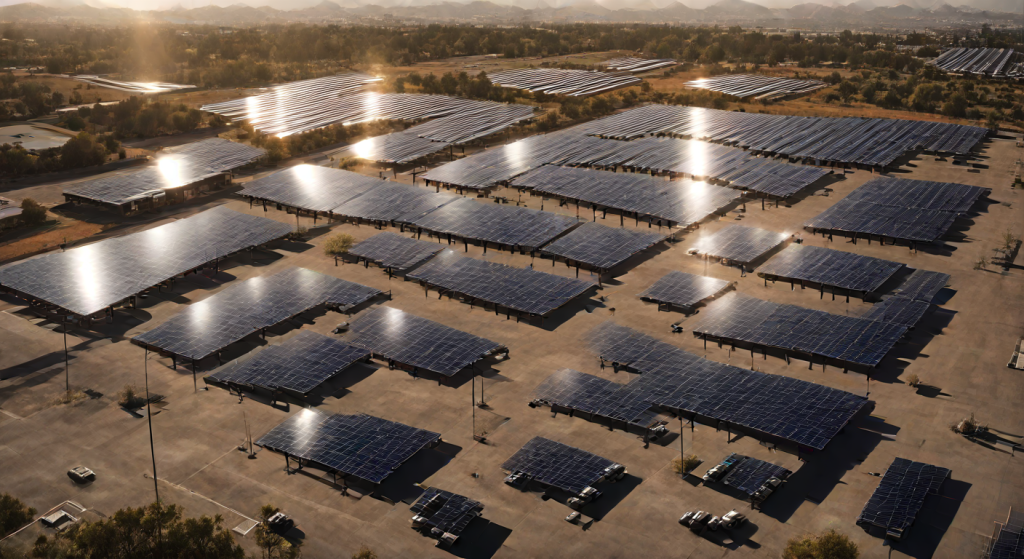
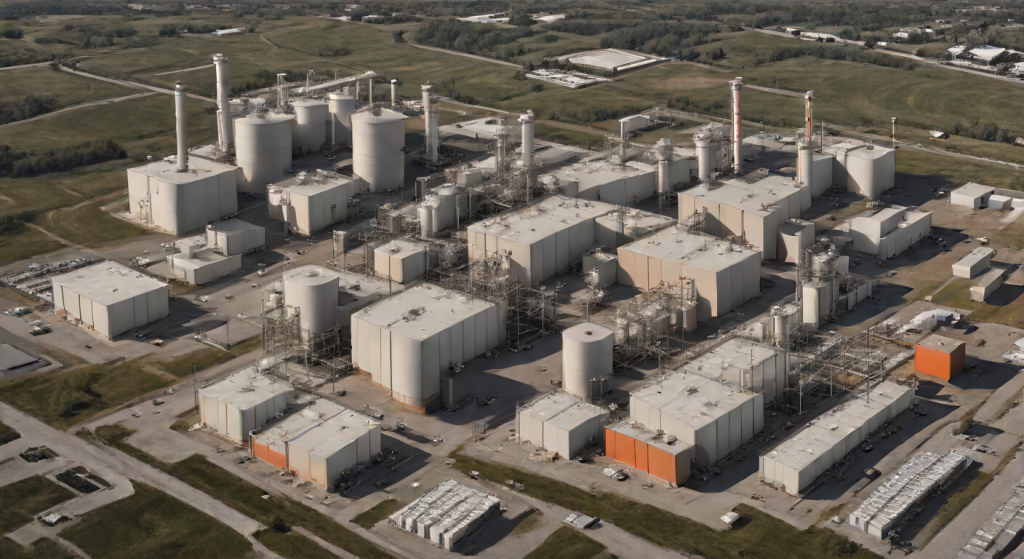
The microgrid integrates a new battery energy storage system with the campus’s existing rooftop solar array and a landfill biogas generator already connected to the site. The La Crosse County Landfill currently pipes biogas to the Onalaska campus, where it generates electricity and heats multiple buildings. Once the BESS is installed, the campus will retain all biogas-generated electricity for on-site use rather than exporting it to the grid. In island mode, the system provides 1.5 MW of power to more than 90% of the campus during grid outages.
Xcel Energy is installing the battery storage system through its EMPOWER Resiliency program, which received Public Service Commission of Wisconsin approval in late 2021. Additional funding came through the Inflation Reduction Act. The total capital cost has not been disclosed.
Critical Perspective
The 1.5 MW project announcement follows a now-familiar pattern: strong headline capacity, limited disclosure on grid connection status. Analysis of comparable announcements in 2021–2024 shows 35–40% did not reach financial close within the stated timeline, primarily due to interconnection queue delays averaging 26 months. The technology configuration — {‘name’: ‘Battery Energy Storage System’, ‘capacity’: ‘1.5 MW island mode’} — is proven at this scale, but the schedule appears to use pre-Order 2023 interconnection timelines that no longer apply. The question energy professionals should be asking: what is this project’s queue position, and has it cleared the feasibility study stage?
Why It Matters
The Onalaska campus aims to become one of the first healthcare facilities in the United States to operate as both fully renewable and fully resilient. Emplify Health was the first U.S. health system to produce more energy than it consumed, a milestone achieved more than a decade ago, and the microgrid extends that capability to complete grid independence. After a projected 10-year payback period, the system is expected to reduce the campus energy spend by up to 80%.
Xcel Energy’s EMPOWER program previously commissioned a microgrid for Bayfield County, Wisconsin in fall 2023, covering the sheriff’s department, courthouse, and county offices. The Gundersen project is the program’s first large commercial partner, establishing a replicable model for healthcare energy independence in the Upper Midwest as hospitals face increasing grid reliability risk from extreme weather events.