Form Energy, Crusoe Seal 12 GWh Iron-Air Battery Deal

- Form Energy and Crusoe agreed to 12 GWh of iron-air batteries; deliveries from 2027
- Iron-air technology: up to 100-hour duration, water-based electrolyte, Weirton WV manufacturing
- Form Energy now has 75+ GWh of commercial projects under agreement
- Crusoe BYOC model: AI data centers develop their own power infrastructure to reduce grid strain
Form Energy and Crusoe have agreed to a significant deal for 12 GWh of iron-air battery energy storage systems, destined to power artificial intelligence data centers. Deliveries are slated to commence in 2027, originating from Form Energy’s manufacturing facility, Form Factory 1, located in Weirton, West Virginia, a community with a history in steel production. The agreement secures reserved volume, pricing, and delivery terms for this substantial order.
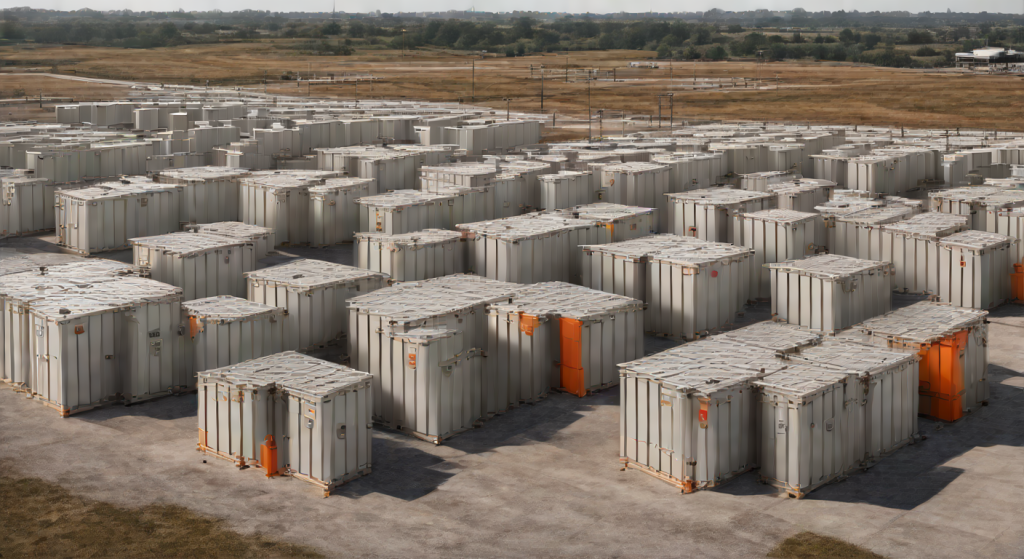
This deal hinges on Form Energy’s iron-air batteries, which they claim work by essentially reversing rust. While they tout a 100-hour discharge capability – a far cry from the usual 4 hours of lithium-ion – the real-world performance of this novel, water-based system remains to be seen. During discharge, iron pellets react with oxygen, and this process is reversed during charging. A key advantage is its extended storage duration, capable of providing up to 100 hours of backup power, a stark contrast to the typical 4-hour duration of lithium-ion batteries. The system employs a water-based, non-flammable electrolyte for enhanced safety. Form Energy’s modular design features units approximately the size of a washer-dryer, with each module containing 50 one-meter-tall cells. Form Factory 1 is scaling toward an annual production capacity of 500 MW.
This partnership aligns with Crusoe’s BYOC (Bring Your Own Capacity) model, which encourages AI data centers to develop their own power infrastructure concurrently with compute resources, thereby alleviating strain on existing grid infrastructure. The 100-hour storage capability offered by iron-air batteries is crucial for providing multi-day energy resilience, a feat unattainable with shorter-duration technologies. This agreement propels Form Energy’s total commercial projects under agreement to over 75 GWh. The development in Weirton, West Virginia, is further supported by incentives from the Inflation Reduction Act, contributing to reinvestment in former industrial communities.
This substantial agreement follows closely on the heels of Form Energy’s previously announced 30 GWh project with Google and Xcel Energy. Crusoe has prior experience in energy deployment, having previously installed 12 MW / 63 MWh of second-life EV batteries in under four months. The demand for power from AI data centers is currently escalating at a pace unmatched by any other sector in the history of the US grid.
It is important to note that deliveries for this 12 GWh order are scheduled to begin in 2027, meaning that hardware at this scale has not yet been deployed. The long-term cycle life and degradation rates of iron-air technology at a grid-scale commercial level remain to be proven through extensive deployment. With Form Factory 1’s projected annual capacity of 500 MW, fulfilling this 12 GWh order alone would require more than 24 months of full production.
Critical Perspective
The 12 GWh iron-air battery deal for AI data centers is significant. However, Form Energy’s 75 GWh total commercial projects under agreement are dwarfed by the 30 GWh project with Google and Xcel Energy. The 2015 Solyndra bankruptcy showed the risks of scaling new solar technology with government backing. Will this 2027 delivery timeline be met given Form Factory 1’s 500 MW annual capacity?
Related: nickel-hydrogen battery scaling
Related: 260 MW battery storage project