Direct Relief Deploys $5.25 Million Microgrid Network
- Healthcare Facilities Microgrids News
Marin Holt
- 0
- 4 minutes read
Key Facts
- Florida Investment: $5.25 million across 9 community health centers
- Solar Range Per Site: 20 to 68 kW
- Battery Storage Range Per Site: 82 to 220 kWh
- Power for Health National Investment: $14.7 million across 39 sites in 11 states and Puerto Rico
- Operational Target: 7 remaining microgrids by June 1, 2026
The System
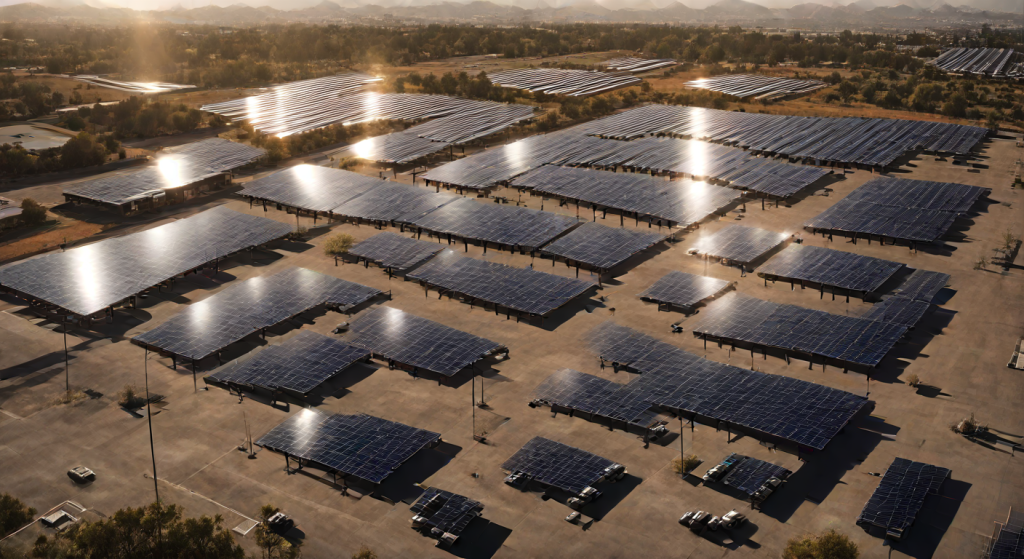
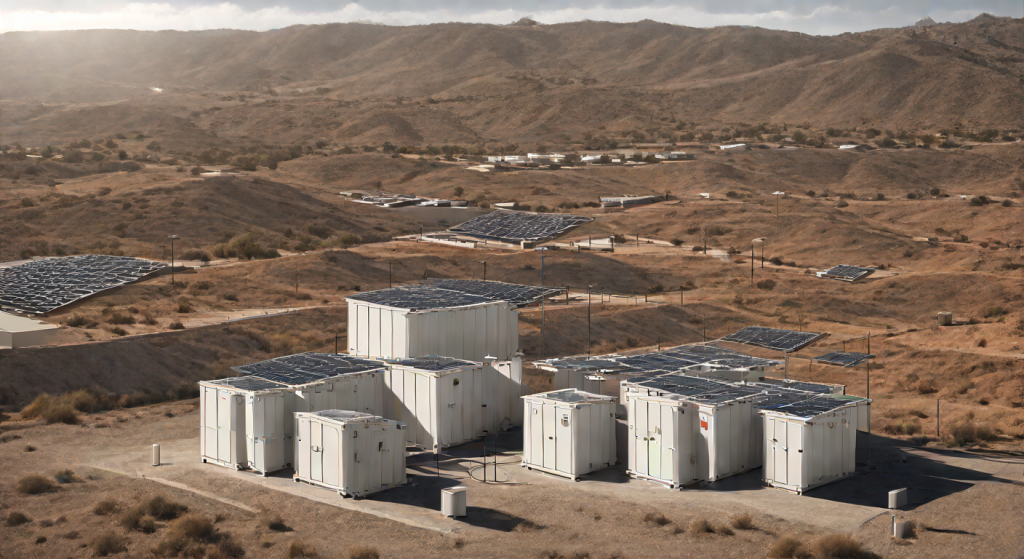
The microgrids are being installed at nine federally qualified health center sites serving low-income residents. The first installation at Treasure Coast Community Health’s Fellsmere clinic was completed in February 2026, with the remaining seven targeted for completion before June 1. Each site is configured with 20 to 68 kW of rooftop solar and 82 to 220 kWh of battery storage. American Microgrid Solutions provides feasibility studies, engineering, and operations support for the network. PayOli Solar and SALT Energy are the installation and construction contractors.Why It Matters
The Florida deployment follows Direct Relief’s research indicating that mortality attributable to hurricane impacts over a 20-year post-storm period averages approximately 300 times higher than immediate storm-related deaths, with disruptions to chronic-care medication access cited as a leading post-storm mortality driver. The health centers serve patient populations predominantly without commercial insurance, where extended care interruption after a hurricane translates directly into emergency department surge, missed dialysis cycles, and chronic-disease decompensation. The microgrids provide islanded power to maintain critical medical equipment and offer community resilience hub capacity for charging devices and cooling during heat waves. Direct Relief’s Power for Health program has invested $14.7 million across 39 health center sites in 11 states and Puerto Rico.Critical Perspective
Direct Relief has not disclosed the precise per-site capital cost across the solar and battery range, the negotiated equipment unit pricing under the installation contracts, or the projected operating-cost offsets each health center is expected to realize against its current utility bills. The microgrid sizing target assumes a 4-hour minimum islanded duration with capacity for 8-12 hours under typical load, but Direct Relief has not published a hurricane-aftermath load profile that would validate whether the storage capacity is sufficient for the multi-day grid outages observed after Hurricane Ian in 2022. Microgrid Knowledge has not reported whether the seven uncompleted sites will be commissioned in time for the official June 1 hurricane season start, given typical contractor schedule slippage in the Florida construction environment.Related Coverage
On the Ground
LocationFellsmere, FL
StageDeployment