Arizona’s Attorney General Wants a Data Center Pause, While SRP Puts Them at 5.1% of Peak
- Data Centers Grid Capacity Regulatory
Marin Holt
- 0
- 7 minutes read
- SRP data center share of 2025 peak: 5.1%
- SRP generation capacity: 8,000 MW
- E-67 large-load threshold: 20 MW
- Colorado River supply cut: almost 30%
- Arizona Q2 2026 storage added: 6.2 GWh
Arizona Attorney General Kris Mayes called on Monday for a statewide pause on approving and building new data centers. She asked state lawmakers and Governor Katie Hobbs to pass legislation blocking new approvals. The block would hold until Arizona has a plan for the industry’s growth on its power grid. Mayes cited rising electricity bills. She also cited the Department of the Interior, which cut Arizona’s Colorado River supplies by almost 30%. Hobbs had already signed a three-year moratorium on data center tax incentives in June.
“The only sane thing to do is to pause the approval of new data centers,” Mayes said in a statement. She also plans a town hall in Ahwatukee on October 14 about a data center proposed there.
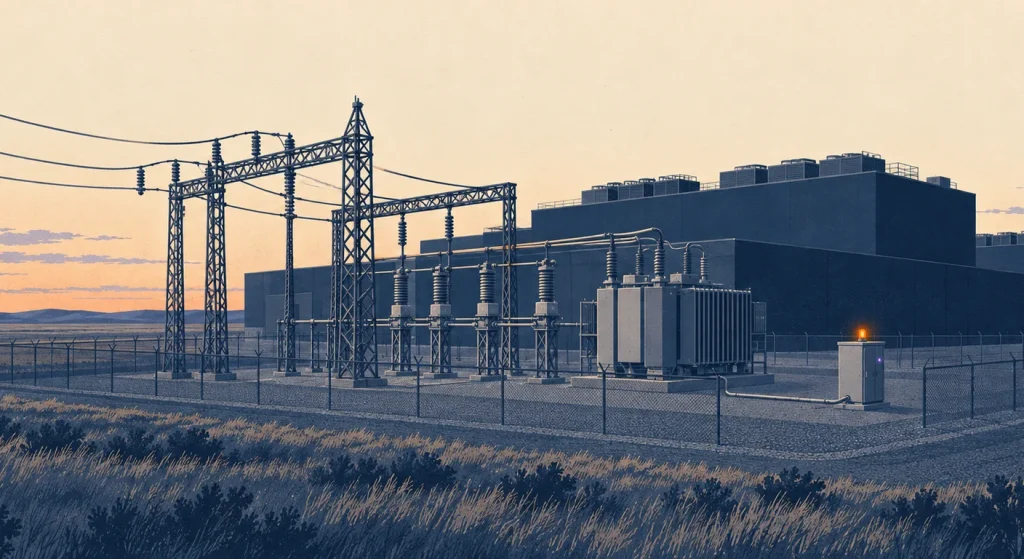
The load numbers from one of the state’s two large utilities complicate that framing. Salt River Project reports that large data centers contributed 5.1% of its record summer 2025 peak demand. SRP puts its own generation capacity near 8,000 MW. It describes its larger data center sites as carrying about 200 MW each. Those figures describe a real load, not yet a dominant one.
SRP also already holds a tariff aimed at this problem. Regulators approved its E-67 commercial and industrial price plan in 2025. The plan sets minimum billing requirements for new large accounts with at least 20 MW of forecast load. A data center then pays for reserved capacity whether or not it draws the power. A construction pause and a minimum-billing tariff treat the same risk with different instruments.
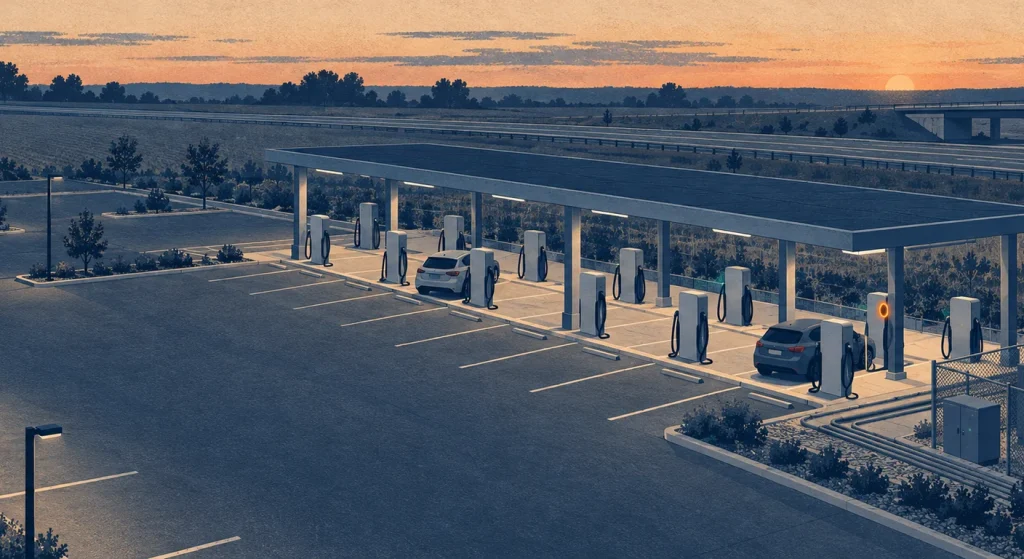
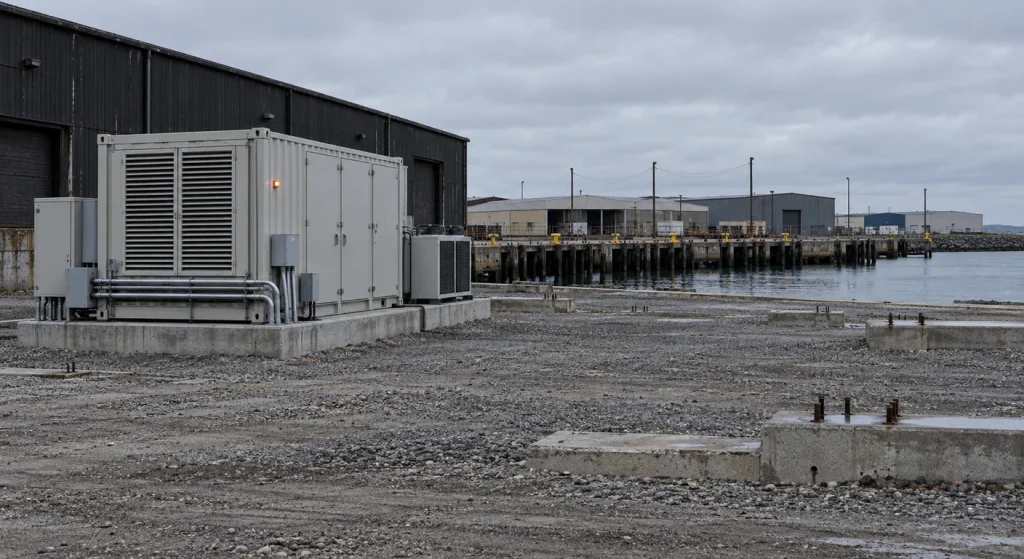
Arizona is meanwhile building the buffer that large loads need. Developers installed 6.2 GWh of battery storage in the state during the second quarter of 2026. No state has added more in a single quarter. The Solar Energy Industries Association and Benchmark Mineral Intelligence reported the figure. Four of the seven gigawatt-hour-scale projects built nationwide that quarter sit in Arizona.
Why It Matters
A pause on approvals would hit interconnection queues and storage pipelines together, because the same developers serve both. Arizona led the country in storage additions last quarter. A broad construction halt therefore reaches further than the data center halls it targets. The harder question is cost allocation, not capacity. SRP’s E-67 minimum-billing rule already tests whether large loads pay for the capacity they reserve. Regulators in other states watching Arizona should compare that tariff against a moratorium before copying either one.
Critical Perspective
The request reveals its own limits. Mayes asked lawmakers and the governor to act, which concedes that the attorney general does not control siting or interconnection. Arizona already ran this test once. Hobbs signed a three-year moratorium on data center tax incentives in June, and the projects kept coming, which suggests incentives were never the binding constraint. A second pause aimed at approvals would at least target the actual gate, though it would also stop projects that have already cleared study.
The 5.1% figure cuts both ways and should not settle the argument. It is SRP’s own number, it describes the summer 2025 peak, and it looks backward. It says nothing about the queue of proposed load behind it, which is where the dispute actually lives. A share that small today is consistent with either a manageable trend or the early part of a steep one.
The proposal also treats water and power as one problem. The Colorado River cut is an allocation decision made in Washington, while grid strain is a capacity and cost-allocation question handled by utilities and regulators. A single construction pause is a blunt instrument against two constraints that move on different clocks, and SRP’s existing 20 MW minimum-billing rule shows the finer tool already exists.