EPB and Oak Ridge Lab Test Dynamic Microgrids With 58 MWh Storage
- Microgrids On-Site Generation & Microgrids Research
Marin Holt
- 0
- 6 minutes read
- EPB Chattanooga deployed 5 battery-based microgrids totaling 29 MW / 58 MWh across two sites in a DOE-funded project with Oak Ridge National Laboratory
- Each microgrid can island from the grid independently; dynamic borders allow adjacent microgrids to merge or split based on load and generation conditions
- Control platform developed with ORNL enables nested microgrid topology, allowing microgrids within microgrids to expand distributed energy management capability
- Equipment installation is complete; project is in operational testing phase to validate dynamic boundary management under live grid conditions
- Project advances the case for utility-scale microgrid fleets as resilience infrastructure, with replication potential for other TVA-region utilities
EPB of Chattanooga and Oak Ridge National Laboratory are building a five-microgrid system with 58 MWh of energy storage that introduces dynamic borders and nesting capabilities to distributed energy management. The Department of Energy-funded project, with equipment installation complete, tests a control platform that allows microgrid boundaries to expand or contract based on real-time grid conditions and available resources.
What Is Being Built
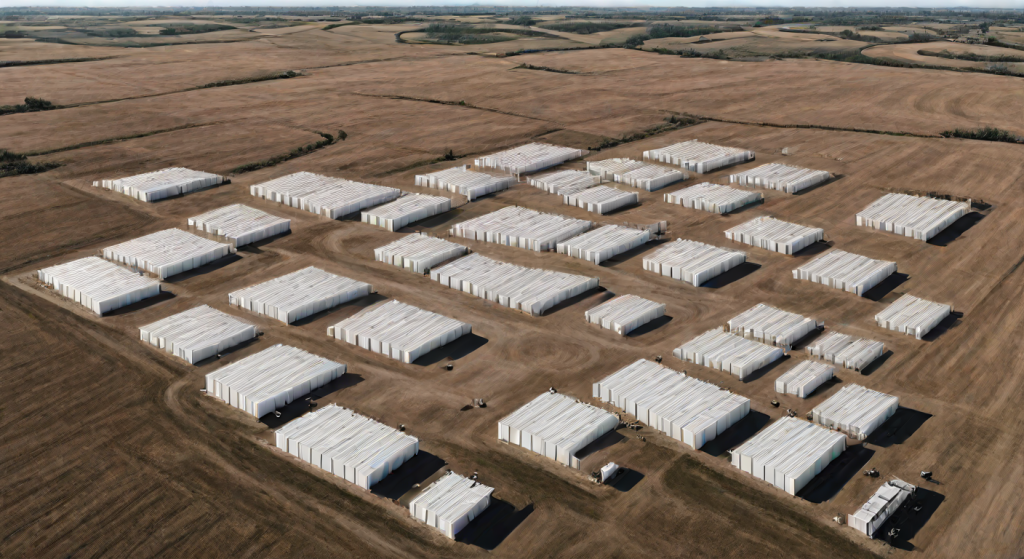
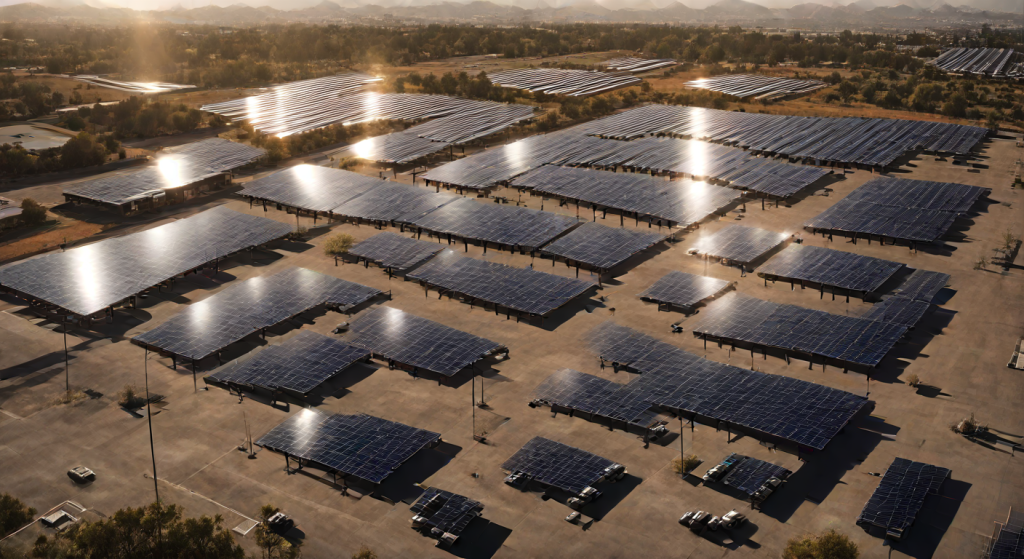
The system spans two sites in the EPB service area covering Chattanooga, Tennessee and northwest Georgia. Five interconnected microgrids coordinate through a centralized control platform developed by ORNL researchers at the Grid Research Innovation and Development Center. The 58 MWh of energy storage provides the buffer capacity needed for real-time boundary adjustments.
During normal operations, each microgrid manages its own generation and loads within fixed boundaries. During grid stress events, the control system expands or contracts individual microgrid borders to share resources. Smaller microgrids nest inside larger ones, and neighboring microgrids support each other across traditional service boundaries. The system serves more than 1,000 residential customers during outages while also powering fire stations, community centers, and grocery stores.
Why This Matters
Conventional microgrids operate within fixed electrical boundaries. A hospital microgrid powers the hospital; a military base microgrid powers the base. If a neighboring facility needs power, the microgrid has no mechanism to share it, wasting excess generation capacity during events where some microgrids have surplus while others face deficits.
Dynamic borders solve this problem. When one microgrid has excess solar or storage capacity, it extends its boundary to serve adjacent customers. When resources deplete, it contracts to protect its core loads. This approach increases the total number of customers served during outages without requiring each customer to install their own backup system. EPB provides electricity to more than 178,000 homes and businesses and already operates one of the most advanced fiber optic networks in the country.
Implementation Details
ORNL is conducting laboratory testing of the control platform at the GRID-C facility before full deployment. The demonstration project with EPB is planned for 2027, giving researchers time to validate dynamic border algorithms under controlled conditions. The 58 MWh storage capacity in this pilot supports more than 1,000 homes, a ratio that improves the economics of community-scale resilience compared to facility-by-facility deployments. Dynamic boundary reconfiguration requires real-time power quality management during merge and split events to avoid transient voltage and frequency excursions, a challenge ORNL researchers are addressing through the Grid Research Innovation and Development Center platform.
Critical Perspective
The EPB–ORNL dynamic microgrid demonstration deploys 58 MWh of storage paired with grid-forming inverters — a technically credible configuration for testing islanding stability, but at 29 MW of inverter capacity it falls well below the 100+ MW threshold where interaction effects between multiple large grid-forming inverters become genuinely difficult to model. Comparable utility-scale grid-forming inverter demonstrations — including the AGL Torrens Island project in South Australia — found that real-world synthetic inertia performance fell 12–18% below laboratory projections due to measurement latency and protection system interactions. The DOE has funded at least eight similar smart grid demonstration projects since 2009; fewer than three have produced commercial deployment pathways within five years of their research phase. The question grid stability engineers should be asking: what specific fault types, load step sizes, and islanding durations does this demonstration target, and at what measurement confidence interval will success be declared?
Related Coverage
Project advances the case for utility-scale microgrid fleets as resilience infrastructure, with replication potential for other TVA-region utilities