Retired GM EV Batteries Power Texas Grid as B2U Hits 24 MWh in ERCOT
- Energy Storage Grid Services & Demand Response News Utility-Scale BESS
Marin Holt
- 0
- 7 minutes read
- B2U Storage Solutions put a 24 MWh grid storage facility online east of San Antonio using 500 retired GM EV battery modules
- Site interconnects to CPS Energy distribution system and participates in ERCOT day-ahead and ancillary services markets
- B2U second-life installation cost under $100/kWh versus approximately $149/kWh for new lithium-ion (BloombergNEF Q4 2025)
- Texas projected to account for 53% of all new US battery storage capacity additions in 2026
- B2U plans 3 more Texas locations to reach 100 MWh total; system accepts Nissan, Honda, Tesla, and Ford EV modules
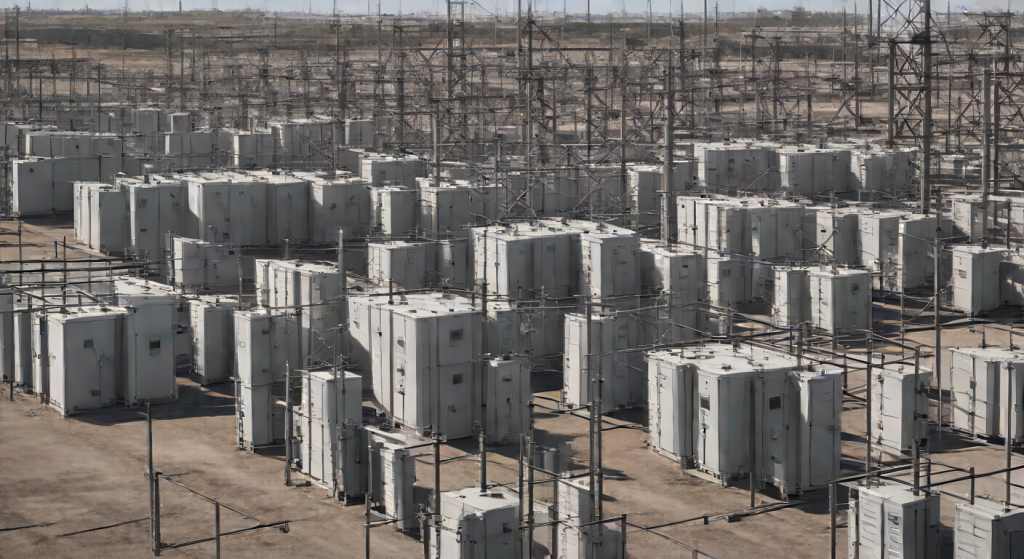
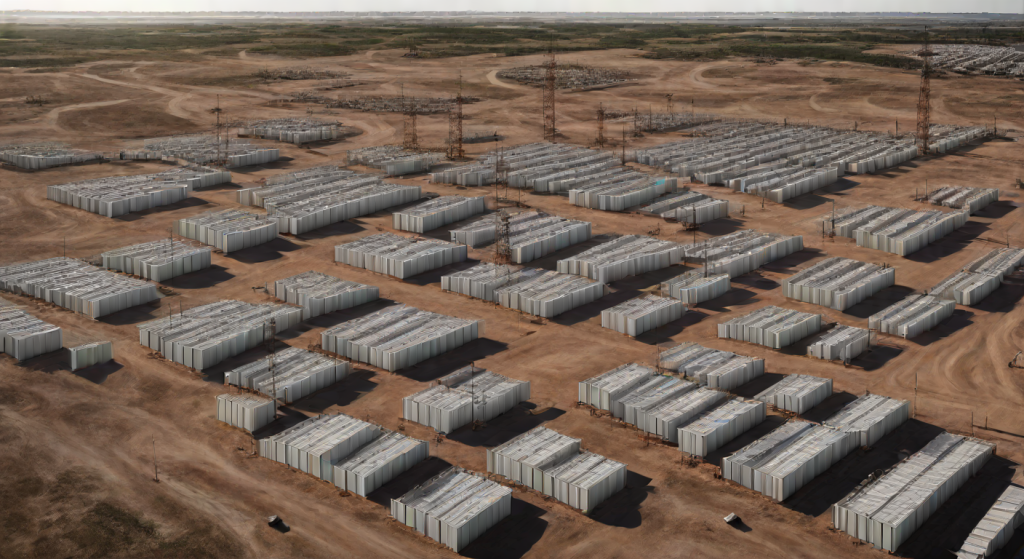
B2U Storage Solutions put a 24 megawatt-hour grid storage facility online east of San Antonio, Texas in early 2026, using 500 reconditioned battery modules from retired General Motors electric vehicles. The site interconnects to CPS Energy’s distribution system and participates in the Electric Reliability Council of Texas day-ahead energy market and ancillary services programs. B2U is building three additional Texas locations to reach 100 MWh of total second-life battery storage capacity across the state.
How the System Operates
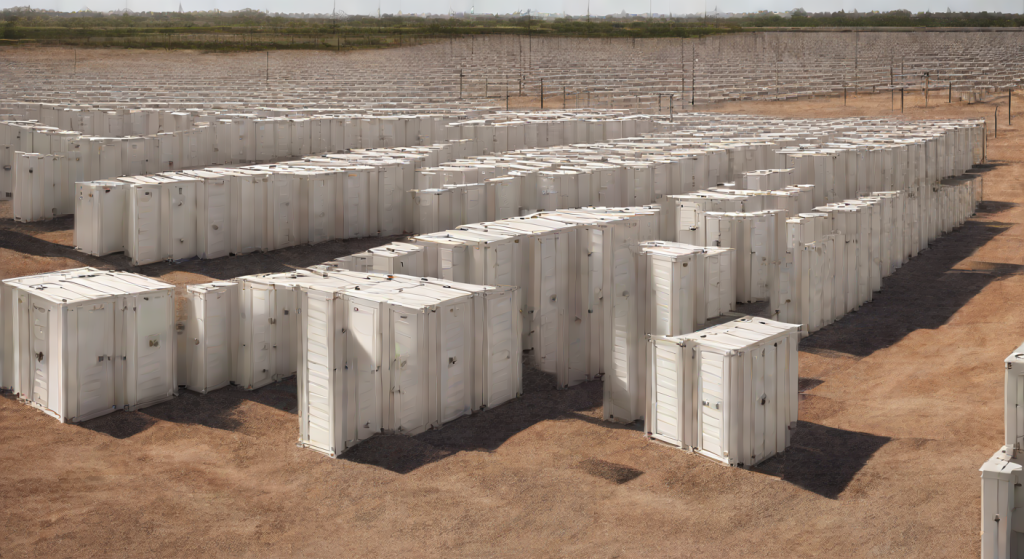
The facility charges during midday hours when Texas solar and wind generation floods the ERCOT grid, driving wholesale electricity prices toward zero. It discharges during morning and evening hours when fossil fuel generation sets marginal prices and electricity costs peak. This energy arbitrage cycle converts a grid surplus into stored value. The battery modules sit in staggered steel mesh containers in a plug-and-play configuration B2U developed for second-life cells. The system accepts modules from Nissan, Honda, Tesla, and Ford EVs in addition to GM Chevrolet Bolt modules used at the first Texas site. Revenue streams include day-ahead energy market sales and frequency regulation payments from ERCOT, which requires fast-response reserve capacity to hold grid frequency at 60 Hz.
Why Second-Life Economics Work in ERCOT
B2U’s second-life installation cost is under $100 per kilowatt-hour, compared to the US average of approximately $149 per kWh for new lithium-ion storage as of December 2025 per BloombergNEF data. ERCOT’s management challenge has shifted from average scarcity to extreme price volatility: Texas added more than 12 GW of new solar capacity in 2024, driving midday wholesale prices toward zero on clear days while evening periods spike sharply. Battery storage that captures this spread earns positive returns when installation costs fall below the breakeven set by that price differential. Texas is projected to account for 53% of all new US battery storage capacity additions in 2026.
Implementation Details
The US will retire over 500,000 EV battery packs annually by 2030 as early-generation vehicles reach end of first life at 8 to 12 years. Most packs retain 70 to 80% of original capacity at retirement, sufficient for stationary storage. B2U competes with Element Energy, which operates 900 second-life battery units on ERCOT, and with conventional new-battery developers building gigawatt-scale projects across West Texas. B2U’s four-site Texas expansion tests whether the second-life model holds across 100 MWh of deployed capacity, providing a lower-cost complement to the gigawatt-scale new-battery projects that dominate current Texas grid storage investment.
Critical Analysis
500 second-life EV battery modules with varying state-of-health require active balancing during charge and discharge. The 24 MW dispatched through grid services actively reduces system congestion during critical peak periods.
5-Year Projection
By 2031, operational data from facilities like this will become the standard requirement for securing interconnection agreements, as ISOs prioritize proven Battery Storage profiles.
Critical Perspective
B2U Storage Solutions’ 24 MWh installation in ERCOT represents a compelling circular economy proof of concept, but 24 MWh equates to approximately 1.2 minutes of discharge for a 1,200 MW ERCOT ancillary service zone — a scale that demonstrates technical feasibility without meaningfully testing grid integration challenges of second-life battery fleets at utility scale. Second-life automotive battery deployments have historically shown state-of-health degradation rates 15–25% faster than OEM estimates, as the chemistry cycles used in automotive duty differ from the shallower depth-of-discharge typical in stationary grid applications. The economics of second-life storage depend critically on pack acquisition cost — typically £5–30/kWh depending on state of health — and GM’s transition to Ultium platform cells will change the chemistries and form factors available to the secondary market substantially over the next 3–5 years. The question ERCOT market participants should be asking: what state-of-health floor is B2U contractually committed to maintain, and what happens to grid service availability guarantees when cell degradation forces a portion of the fleet offline?