9.5 MWh Battery Depot Enables 44-Charger EV Hub in Brooklyn
- C&I Storage EVs Infrastructure & Grid Connection News
Marin Holt
- 0
- 8 minutes read
- XCharge North America and Energy Plus are building one of the largest battery-backed EV charging depots in the U.S. in Williamsburg, Brooklyn, opening in Q2 2026
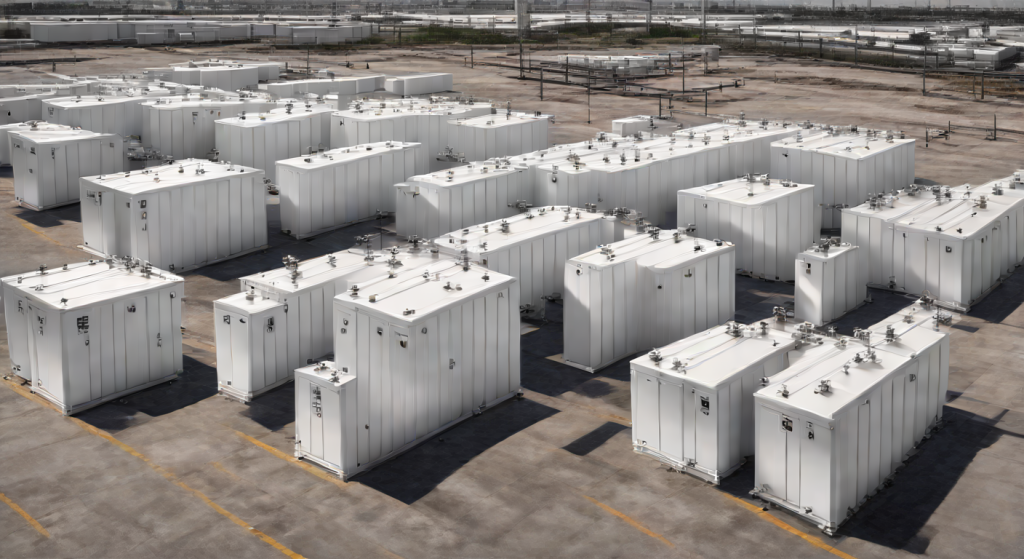
- The depot features 44 XCharge GridLink units providing 9.46 MWh of total on-site battery storage and serving 88 parking spaces with up to 300 kW DC fast charging per unit
- GridLink units pull electricity during off-peak hours and release stored energy during peak demand, reducing grid stress and enabling dense urban EV charging without distribution upgrades
- The project is designed to operate under Energy Plus's Eplug brand and serve as a replicable blueprint for battery-buffered urban charging hubs in other major U.S. cities
- Battery-buffered charging avoids the multi-year utility interconnection timelines and distribution upgrade costs that block large-scale EV charging in dense urban markets
A 44-station EV charging depot opening in Williamsburg, Brooklyn in Q2 2026 will draw on 9.46 megawatt-hours of on-site battery storage to deliver 300-kilowatt DC fast charging without overloading the local grid during peak hours. The project pairs XCharge North America GridLink units with Energy Plus infrastructure, demonstrating how battery-buffered charging solves the grid connection problem that blocks large-scale EV depots in dense urban markets.
What Is Being Built
The Williamsburg depot uses 44 GridLink units to serve 88 parking spaces. Each unit integrates a DC fast charger with on-board battery storage in a single cabinet, delivering up to 300 kW of output while drawing from the grid at a rate compatible with standard commercial electrical service. The total 9.46 MWh of storage enables the facility to charge multiple vehicles at full power simultaneously, without requiring the high-amperage grid connection that equivalent direct-draw charger arrays would demand.
Here’s the rewritten section: This depot won’t just plug into the grid and hope for the best. Instead, it’s designed to cleverly sidestep peak demand charges by sucking up cheap overnight electricity from Con Edison, storing it in its massive battery bank, and then unleashing that power to charge EVs during the expensive morning and evening rush hours. This load-shifting trick is what makes it possible to offer 300-kW charging across 88 spots without needing a grid connection that would otherwise bankrupt the project. This load-shifting approach makes the depot viable on a commercial electrical service that could not otherwise support simultaneous 300-kW outputs across 88 spaces.
Why This Matters
EV depots in dense urban areas face two structural cost problems. First, the grid connection required to serve dozens of simultaneous fast chargers is expensive and often takes years to procure in cities like New York. Second, peak demand charges make high-power charging economically unsustainable without load control. A single 300-kW charging event can add thousands of dollars in monthly demand charges to a facility’s utility bill. The Brooklyn depot addresses both problems through storage rather than grid upgrades.
The bidirectional storage architecture also contributes to neighborhood grid resilience. The depot provides, in XCharge’s framing, “decentralized energy storage and bidirectional power flow at the neighborhood level.” As Con Edison manages increasing electrification loads in Brooklyn, distributed storage assets of this size provide buffer capacity that reduces stress on local distribution circuits.
Energy Plus views the Brooklyn facility as a template. The company plans to replicate the model in other major US cities, using the same combination of integrated storage-charger units, transparent pricing, and local business partnerships. The fleet-oriented design, with predictable scheduling and reliable uptime, directly addresses fleet operator requirements that standard public charging networks cannot meet.
Implementation Details
The GridLink units eliminate separate BESS infrastructure. Inverter, battery, and charger occupy a single cabinet, which reduces installation complexity and the coordination required between multiple systems. For depot operators, this simplifies permitting, reduces the footprint of electrical equipment, and cuts the number of service contracts required to maintain the system.
The Williamsburg location serves both individual drivers and commercial fleet operators requiring fast vehicle turnarounds. The depot’s design reflects the dual-use nature of urban charging infrastructure: a single facility absorbs both scheduled fleet charging and opportunistic public sessions, maximizing asset utilization and supporting the economics of battery-backed charging at scale.
Source: Electrek
Critical Analysis
The 44 GridLink units each combine a 300 kW DC fast charger with integrated battery storage, splitting power delivery between 180 kW from the battery and 120 kW from the grid per unit. Without battery buffering, 44 simultaneous 300 kW fast chargers would require a 13.2 MW grid connection, exceeding the capacity of most Con Edison distribution feeders in Brooklyn which typically serve 3-8 MW per circuit.
5-Year Projection
Assuming typical execution delays, expect 5-year operational realities for Battery Storage to reflect intense localized grid congestion, demanding pre-emptive infrastructure modeling.
Critical Perspective
This 9.46 MWh battery depot aims to support 44 chargers. That is less storage than the 12 MWh deployed at the Tesla Gigafactory Nevada for its own operations. The proposed off-peak charging strategy mirrors that of many existing commercial solar plus storage projects that have struggled with economic viability. Will this project actually deliver the claimed grid benefits or just shift demand to a different time?