Maryland Transit Depot Pairs 4.8 MW Solar With EV Bus Charging
- Fleet & Depot Charging Microgrids News Solar + Storage Integration
Marin Holt
- 0
- 7 minutes read
- Montgomery County MD's EMTOC depot combines 5.5 MWDC solar, 2 MW battery storage, and 2.25 MW bus charging
- Nation's largest renewable energy-powered transit depot and first East Coast facility with green hydrogen production
- AlphaStruxure delivers microgrid via Energy-as-a-Service contract, eliminating capital expenditure
- System will power 200 zero-emissions electric buses when fully operational
- Mortenson serves as EPC contractor; construction expected to complete in 2025
Montgomery County, Maryland, is building the largest renewable energy-powered transit depot in the United States. The Eastern Montgomery Transit Operations Center (EMTOC) integrates 4.8 MW of rooftop and canopy solar generation with 2 MW of battery storage and 2.25 MW of electric bus charging infrastructure, all engineered to operate independently from the grid.
What Is Being Built
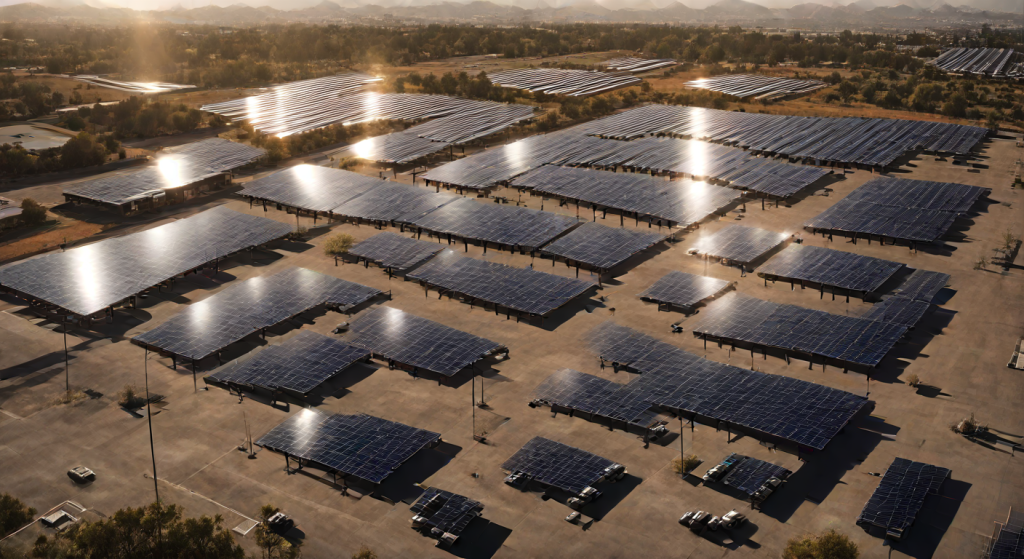
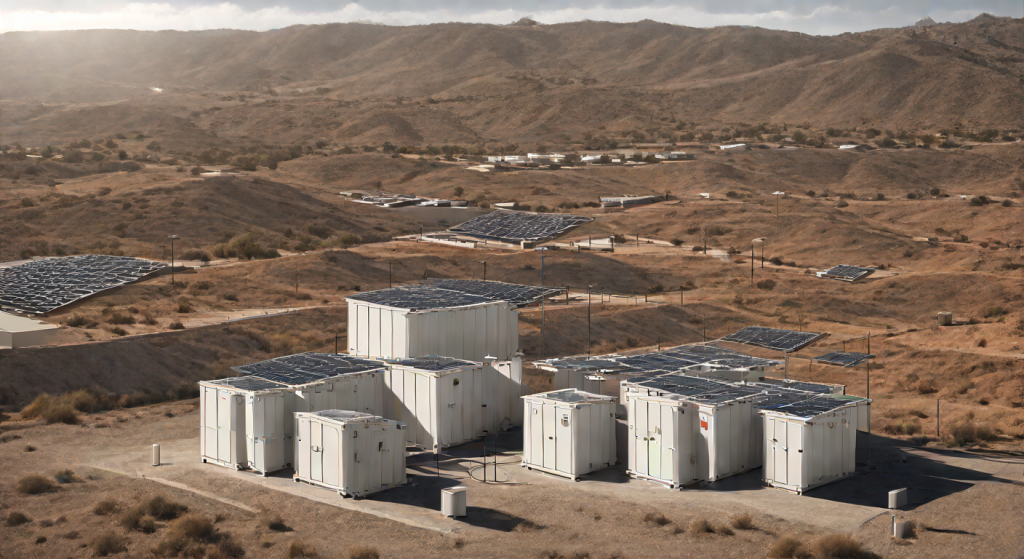
Developer AlphaStruxure and EPC contractor Mortenson are constructing a microgrid that combines three energy systems into a single campus. The 4.8 MWDC solar array spans rooftops and parking canopies across five existing EMTOC buildings. A 2 MW battery energy storage system buffers solar intermittency and manages peak demand from simultaneous bus charging. The 2.25 MW charging system supports the county’s transition to over 200 zero-emission buses by 2035.
The project also includes a 1 MW on-site hydrogen electrolyzer, positioning the depot to support future fuel cell electric buses alongside battery-electric vehicles. Construction began in Q2 2024 with operations expected by late 2025.
Why This Matters
Transit agencies electrifying their fleets face a fundamental infrastructure problem: fleet depots draw massive power loads during overnight charging windows, and utility upgrades to serve those loads cost millions and take years. The EMTOC model eliminates that bottleneck by generating power on-site.
The solar canopy design serves double duty. It generates electricity while shading parked buses, reducing cabin cooling loads and extending battery life. The 2 MW storage system shifts solar generation to match nighttime charging schedules, cutting demand charges that typically account for 30% to 50% of commercial electricity bills.
The island mode capability sets EMTOC apart from most fleet electrification projects. The microgrid operates independently from the utility grid indefinitely during outages. For a transit system, that means buses keep running when the grid fails, exactly when public transportation demand spikes most.
Implementation Details
The project structure uses an energy-as-a-service model through AlphaStruxure, a joint venture between Schneider Electric and The Carlyle Group. This approach shifts capital costs off the county’s balance sheet. Montgomery County pays for energy delivered rather than owning the generation and storage assets directly.
The phased fleet rollout targets 200+ zero-emission buses by 2035, allowing charging infrastructure to scale with the fleet. The hydrogen electrolyzer adds optionality for fuel cell buses on longer routes where battery range falls short.
Federal incentives under the Inflation Reduction Act improve project economics. Solar installations at transit facilities qualify for investment tax credits up to 50% when located in energy communities. The DOE separately invested $68 million in heavy-duty EV charging solutions in 2025, signaling federal priority for projects like EMTOC that pair solar generation with fleet electrification.
Source: Mortenson
Critical Analysis
EMTOC’s 2.25 MW simultaneous electric bus charging operates through bidirectional chargers with six-pulse rectifier topology producing dominant 5th and 7th harmonic currents. 4.8 MW solar export during low-load mornings may exceed PEPCO feeder hosting capacity limits under Maryland PSC interconnection rules, requiring a formal hosting capacity study.
5-Year Projection
By 2031, operational data from facilities like this will become the standard requirement for securing interconnection agreements, as ISOs prioritize proven Solar profiles.
Critical Perspective
The 4.8 MW solar array is a significant investment for a single transit depot. However, comparing this to the 10 MW solar installation at the San Francisco International Airport, questions arise about scalability and cost efficiency. Will this project truly reduce long-term operational expenses for Montgomery County, or is it an expensive, isolated experiment?