Rural Hospital Builds $17M Microgrid with Hydrogen Backup
- Healthcare Facilities Microgrids News
Marin Holt
- 0
- 6 minutes read
- Klickitat Valley Health (Goldendale, WA) is building a $17M microgrid covering hospital and school district
- System includes 1 MW DC solar across two 500 kW AC carport arrays and 979 kW / 3.9 MWh battery storage
- Toyota/Kohler 100 kW hydrogen fuel cell with metal-hydride storage provides 36 hours of backup runtime
- Geothermal heat pump with 40 boreholes to 400 feet depth completed construction summer 2026
- FEMA BRIC program contributes $9.8M with WA Department of Commerce grants providing additional $3.5M
Klickitat Valley Health, a critical-access hospital in Goldendale, Washington, is constructing a $17 million microgrid that combines solar generation, battery storage, and a hydrogen fuel cell capable of running the facility for 36 hours without grid power. The project covers the hospital and the adjacent Goldendale School District, creating a community resilience hub for a region prone to wildfire-driven outages.
What Is Being Built
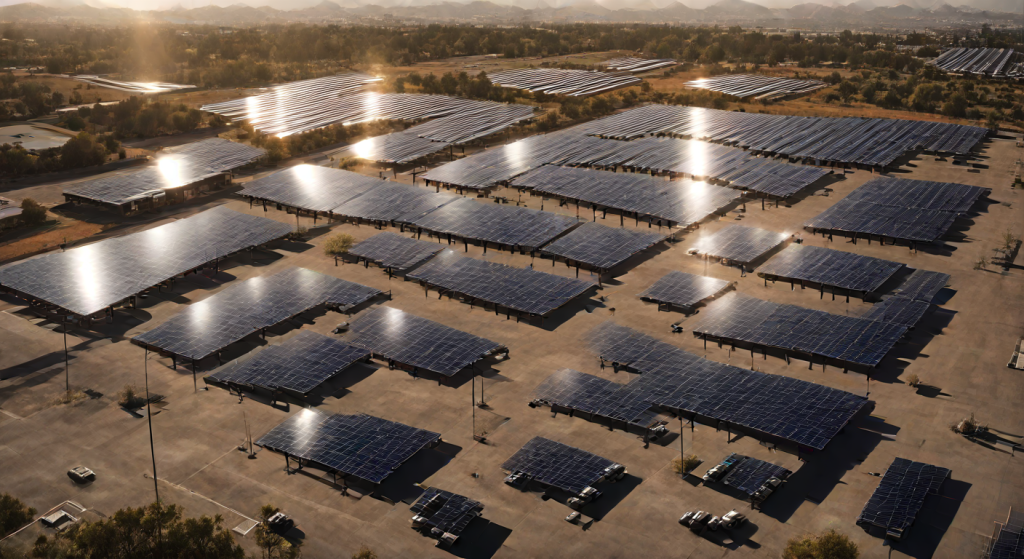
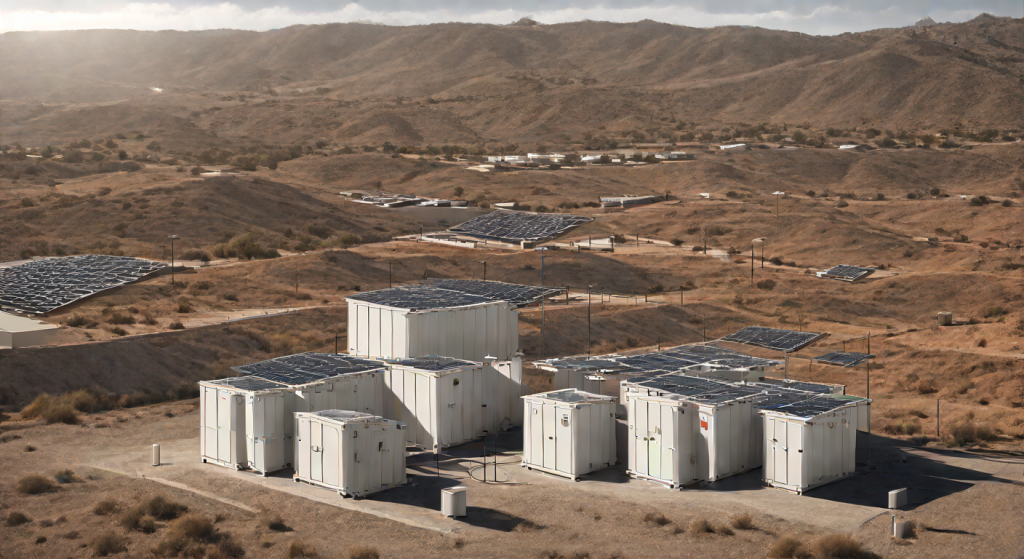
The full build-out includes 1 MW DC of solar across two 500 kW AC carport arrays, a 979 kW / 3.9 MWh battery system at each facility, and a 100 kW hydrogen fuel cell using metal-hydride storage. The system uses intelligent switchgear with automated load shedding and black-start capability. A 45-ton ground-source heat pump with 40 boreholes drilled to 400 feet depth handles thermal loads. The geothermal system completed construction in summer 2026; solar carports are scheduled for completion by year-end 2026. Design and permitting are 90% complete.
Why This Matters
Rural critical-access hospitals face a specific resilience problem: they cannot evacuate patients during grid outages the way urban facilities sometimes can. Goldendale sits in south-central Washington, an area where wildfire smoke and wind events regularly knock out transmission lines for days at a time. A diesel generator set handles a 24-72 hour outage. The hydrogen fuel cell addresses multi-day extended events where diesel fuel resupply becomes uncertain. The 36-hour hydrogen runtime, combined with battery cycling and solar recharge, creates a system designed for a 5-7 day island-mode operation during declared emergencies. The school district interconnection extends the resilience footprint: the combined facility serves as a community shelter and medical staging area during regional disasters. Annual savings from the geothermal and solar systems total roughly $90,000, which funds ongoing system maintenance.
Implementation Details
Funding combines Washington State Department of Commerce Clean Energy Community Grants through the Climate Commitment Act, federal tax credits, hospital capital reserves, and legislative capital grants. FEMA’s Building Resilient Infrastructure and Communities (BRIC) program was set to contribute approximately $10 million, but those funds are currently suspended pending federal program review. The project proceeds on remaining funding while BRIC status is resolved. Jonathan Hatfield, KVH CEO, and Jonathan Lewis, Director of Support Services and Capital Projects, are managing construction. The project demonstrates a replicable model for rural healthcare resilience: layered generation technologies sized to the facility’s critical load, with each layer covering a longer outage duration than the one before it.
Source: Microgrid Knowledge
Critical Analysis
During black-start after a wildfire outage, the Toyota/Kohler hydrogen fuel cell must establish voltage and frequency reference before the 3.9 MWh battery inverters can. Hospital microgrids reduce grid dependence for critical healthcare loads but maintain grid connection as primary power source during normal operations.
5-Year Projection
During the 5-year outlook, capitalized Solar ventures will drastically compress technology iteration cycles, demanding continuous utility-level adaptations to accommodate high-velocity product launches.
Critical Perspective
The $17 million microgrid project includes a 100 kW hydrogen fuel cell. This is a fraction of the 2 MW hydrogen power plant planned by Plug Power for Georgia. California’s 2019 wildfire season saw widespread, multi-day grid outages, yet no similar hydrogen backup was deployed at scale. What is the actual cost per kWh of dispatchable power from this specific hydrogen system?