Calibrant Energy Deploys 31 MW BESS for Oregon Data Center Grid
- Data Centers Grid Capacity Grid Connection & Reliability News
Marin Holt
- 0
- 6 minutes read
- Calibrant Energy will deploy a 31 MW / 62 MWh BESS at Aligned Data Centers' 108 MW campus in Hillsboro, Oregon.
- Calibrant Energy, backed by Macquarie Asset Management, will own and operate the system; Aligned will not carry the BESS on its capital stack.
- The battery discharges during peak demand to bridge the gap while Portland General Electric completes grid upgrades, accelerating interconnection by years.
- All equipment including transformers, switchgear, and battery modules is sourced from US-based manufacturers.
- The system operates in both grid-parallel and islanded modes with 24/7 remote monitoring.
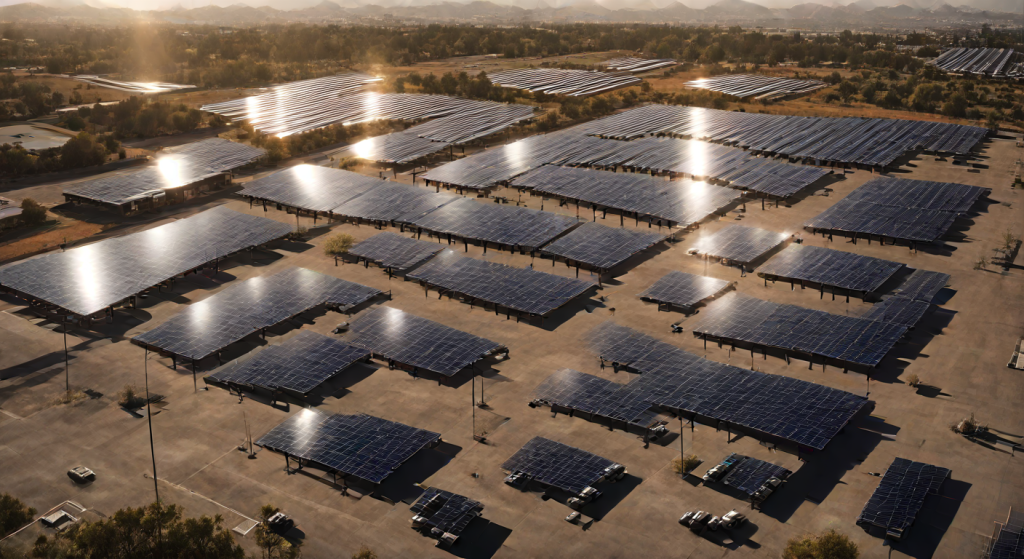
Calibrant Energy will deploy a 31 MW / 62 MWh battery energy storage system at Aligned Data Centers’ 108 MW campus in Hillsboro, Oregon, the two companies announced on October 22, 2025. The project is structured specifically to bridge the gap between the data center’s power demand and the utility’s available grid capacity, allowing Aligned to begin operations years ahead of when a traditional substation upgrade would have been completed.
Critical Perspective
The 31 MW/62 MWh system provides two hours of discharge at rated power; a 108 MW data center campus operating at full capacity would exhaust that reserve in under 35 minutes, making the BESS a bridging resource for brief grid interruptions rather than a sustained backup. Behind-the-meter BESS deployed specifically to defer utility substation upgrades for data centers has no operational precedent at this scale, leaving reliability and degradation assumptions unvalidated. Calibrant Energy is a relatively new entity whose financial durability over a multi-decade data center operating life is undemonstrated. Portland General Electric’s Hillsboro service area faces competing industrial demand from Intel and other semiconductor facilities; deferring the substation upgrade does not eliminate the need but delays it while aggregate load in the corridor continues to grow.
What Is Being Built
Calibrant Energy, backed by Macquarie Asset Management, will own and operate the 31 MW / 62 MWh BESS on the Aligned campus. The system discharges during peak demand periods to supplement the utility’s available capacity, preventing the data center from exceeding grid limits while Portland General Electric completes infrastructure upgrades. Equipment including transformers, switchgear, and battery modules is sourced from US-based manufacturers. The BESS is monitored remotely around the clock and operates in both grid-parallel and islanded modes.
Aligned describes the Hillsboro facility as a hyperscale campus with 108 MW of total capacity. At that scale, a conventional grid interconnection timeline runs three to five years from permit application to energization. The BESS arrangement compresses that wait by making additional utility capacity available on demand before the physical grid upgrades are complete.
Why It Matters
The US data center interconnection queue has become a direct constraint on build-out timelines. Utilities in high-demand markets, Northern Virginia, Phoenix, the Pacific Northwest, are managing requests for hundreds of megawatts from hyperscale tenants against transmission systems that were not designed for concentrated industrial loads of this type. Interconnection studies and substation upgrades that take years to complete limit how fast data centers are commissioned.
The Calibrant model, a third-party energy company owns and operates behind-the-meter storage to unlock grid capacity, is an emerging financing structure that separates the grid-access problem from the data center operator’s capital stack. Rather than requiring Aligned to buy and own the BESS, Calibrant takes on the capital cost and recovers it over time. This approach has direct relevance to other developers facing multi-year interconnection queues in constrained markets.
At 31 MW / 62 MWh, the system is modest relative to the campus’s 108 MW demand. It functions as a bridge, not a permanent power source. A bridge that gets a major data center online years earlier than the alternative represents significant commercial value at a moment when AI infrastructure deployment is capacity-constrained.