Calibrant Energy Deploys 23 MWh Battery Storage at Iron Mountain
- Energy Storage News
Marin Holt
- 0
- 6 minutes read
- Battery Capacity: 23 MWh
- Existing Solar: 7.2 MW rooftop solar
- Location: Edison, New Jersey
- Model: Build-own-operate, no upfront capital for Iron Mountain
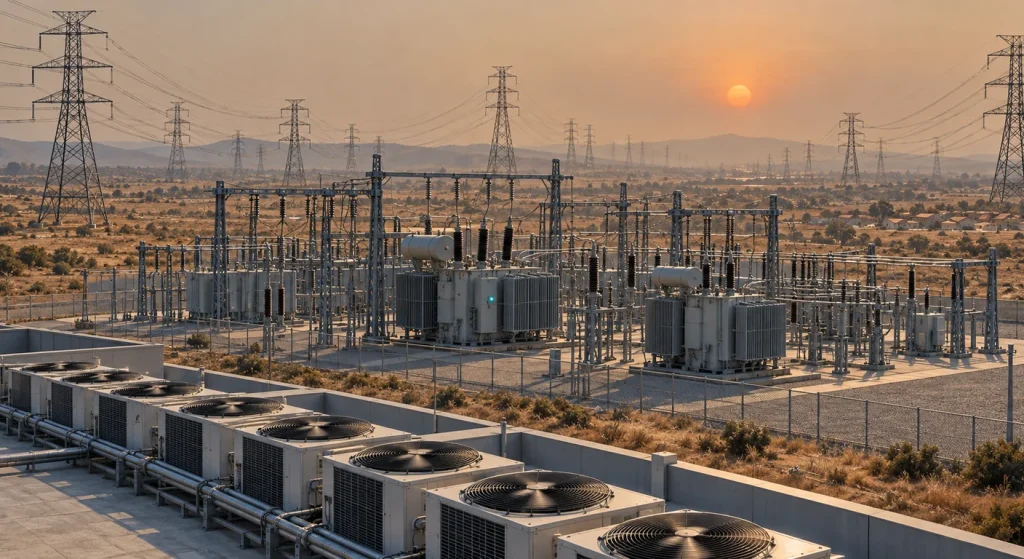
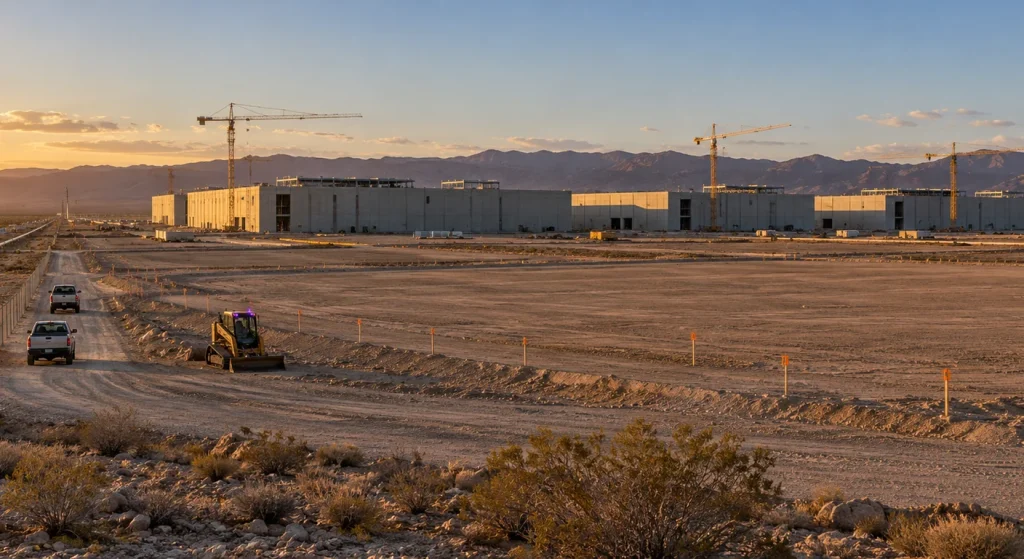
Calibrant Energy on February 19, 2026, signed a definitive agreement to build, own, and operate a 23 MWh on-site battery energy storage system at Iron Mountain’s data center in Edison, New Jersey. The project pairs new storage with the facility’s existing 7.2 MW rooftop solar installation, creating what Calibrant describes as a resilient energy ecosystem that supports Iron Mountain’s 24/7 carbon-free energy commitment.
Project Specifications
The 23 MWh system uses Tesla lithium-ion batteries and is scheduled to come online before the end of 2026. Calibrant’s build-own-operate model means Iron Mountain bears no upfront capital cost. The system integrates with the facility’s existing 7.2 MW rooftop solar array, which Iron Mountain installed at the Edison location to support its Northeast colocation customers.
“This is what the future of powering large loads looks like,” said Phil Martin, CEO of Calibrant Energy. “Real-time controls transform a passive energy load into a dynamic grid asset.”
Demand Charge Reduction and Grid Revenue
The battery system serves two economic functions: reducing demand charges on Iron Mountain’s utility bill, and dispatching stored Energy to stabilize the regional grid during peak demand periods. By using advanced real-time controls, the facility transforms its energy load into a dispatchable asset capable of responding to PJM demand signals. Iron Mountain’s Edison data center hosts colocation customers across the Northeast corridor, making peak demand management a significant operating cost driver.
ROI-NJ reported that the storage system helps the company save money when peak demand spikes on the electric grid, while simultaneously enabling the company to monetize its energy assets by delivering grid services back to the regional transmission operator.
Why It Matters
The Calibrant-Iron Mountain deal illustrates a structural shift in how large commercial facilities treat behind-the-meter storage. Rather than sizing a battery purely for backup power, the 23 MWh system is designed from the outset to function as a grid service asset — generating revenue through peak shaving, demand response, and potential wholesale market participation. Data centers facing rising electricity costs and PJM capacity market obligations are increasingly deploying co-located storage not as a resilience measure alone but as an active demand charge management tool. Electrek noted that this NJ project demonstrates how data centers are effectively becoming power plants.
Critical Perspective
The project’s economics depend on New Jersey’s utility tariff structure and ongoing PJM capacity market prices, both of which are subject to regulatory change. Iron Mountain’s 24/7 carbon-free energy target relies on matching renewable generation to load on a temporal basis, which a 23 MWh battery can support only for limited periods relative to a large colocation facility’s continuous draw. The system size is significant for a single-site installation but small relative to Iron Mountain’s total global data center load, suggesting this is a pilot-scale deployment rather than a fleet-wide strategy.