Cuyahoga County Deploys $129M in Microgrids to Replace Coal Plant
- Emergency & Local Government Microgrids Regulatory
Marin Holt
- 0
- 6 minutes read
- EPA awarded Cuyahoga County Ohio a $129.4M grant to replace a coal plant with 63 MW of solar
- Project is part of the EPA Greenhouse Gas Reduction Fund Solar for All program
- 63 MW solar array will power approximately 13,000 low-income households in the Cleveland area
- Coal plant retirement eliminates 800,000 metric tons of CO2 emissions annually
- Project developed by the Cuyahoga County Land Bank in partnership with Constellation Energy
Cuyahoga County, Ohio, broke ground on the largest municipal microgrid network in the United States, backed by $129.4 million in EPA Climate Pollution Reduction Grant funding. The project installs 63 MW of solar generation and 10 MW of battery storage across three interconnected microgrid sites, while permanently shutting down a coal-fired peaker plant that has operated since 1888.
What Is Being Built
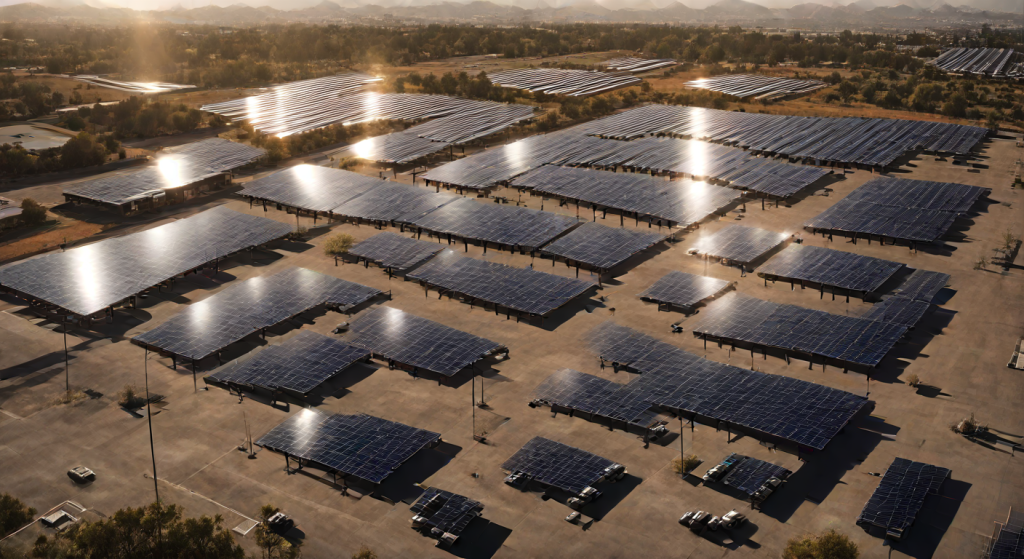
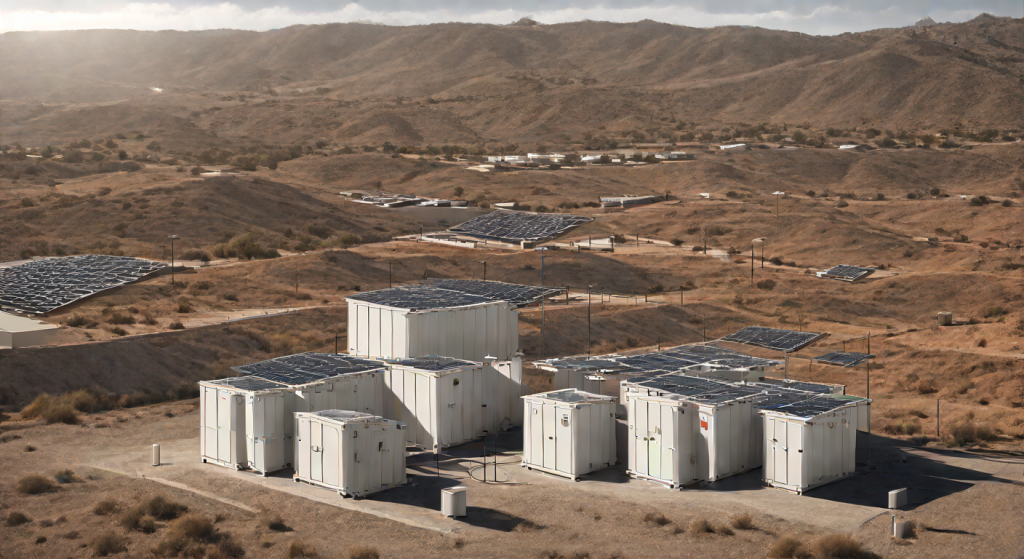
The project deploys solar arrays on brownfield and former landfill sites across three locations: Euclid, Brooklyn, and the Aerozone district near Cleveland Hopkins International Airport. Each site operates as an independent microgrid with islanding capability, connected through Cuyahoga Green Energy, the county utility formed in 2021. It is the first new county-level utility established in the United States in over 75 years.
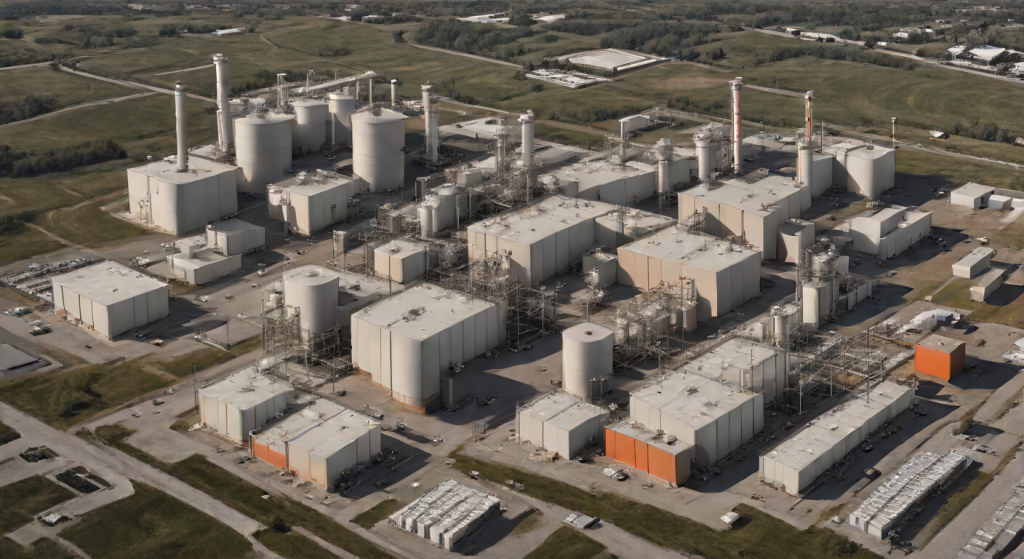
In Painesville, the centerpiece installation pairs a 35 MW solar array with 10 MW of battery backup. This system directly replaces the city’s coal-fired peaker plant, which has operated continuously for 137 years. The Compass Energy Platform manages grid operations across all three sites.
The EPA grant distributes approximately $80 million to Painesville, $30 million to Cuyahoga County, and $20 million to the City of Cleveland. Construction started in 2025. The first microgrids reach operational status in 2026, with full buildout completing in 2027.
Why This Matters
Local governments across the country face a reliability gap. When extreme weather knocks out the regional grid, municipal services lose power alongside everyone else. Backup diesel generators provide hours of runtime, not days. The Cuyahoga model creates a different architecture: county-owned generation and storage assets that keep critical facilities operational independently of the bulk power system.
The project also solves a brownfield problem. Contaminated former industrial sites and capped landfills sit unused across Northeast Ohio. Solar installations on these sites generate revenue from otherwise unproductive land while avoiding conflicts with agricultural or residential development. Environmental restoration work, including native habitat and pollinator corridors, accompanies the solar buildout.
Replacing the Painesville coal plant eliminates one of the oldest operating fossil fuel generators in North America. The 35 MW solar plus 10 MW battery combination delivers equivalent peak capacity without fuel costs, emissions, or the maintenance burden of 137-year-old infrastructure.
Implementation Details
The $129.4 million flows through the EPA’s Climate Pollution Reduction Grant program, funded by the Inflation Reduction Act. The coalition structure, with Cuyahoga County as lead sponsor and Cleveland and Painesville as partners, allowed the region to aggregate demand and qualify for a single large grant rather than three smaller applications.
Cuyahoga Green Energy operates as a public utility with county oversight, not a private developer arrangement. The county retains ownership of generation and storage assets, captures revenue directly, and sets rate structures without investor profit requirements. This model originated in a 2019 feasibility study and took two years to reach legal authorization.
The project creates over 200 construction and permanent jobs, with specific workforce retraining pathways for employees of the retiring Painesville coal plant. The county designed these transition programs before breaking ground, not as an afterthought.
Critical Perspective
The article states $129.4 million in EPA funding is being deployed. Similar to the proposed microgrid, the California Energy Commission’s 2021 battery storage mandates faced significant cost overruns. The 2019 Puerto Rico grid modernization effort, after Hurricane Maria, also saw substantial delays and budget increases. Given the scale and complexity, what are the contingency plans if construction costs exceed initial projections?