Idemitsu Renewables Commissions 60 MW Solar and 152 MWh Battery
- Energy Storage News Solar + Storage Integration
Marin Holt
- 0
- 6 minutes read
- Idemitsu Renewables' Azalea project achieved COD on December 31, 2025 in Kern County, California.
- System: 60 MWAC solar PV + 38 MWAC / 152 MWh lithium-ion battery (4-hour duration), built by SOLV Energy.
- Long-term PPA with Sonoma Clean Power Authority, signed 2023; financing from Mizuho Bank, Commerzbank AG, and U.S. Bank (tax equity).
- Battery dispatches during 4-9 PM evening peak, storing midday solar surplus to provide dispatchable clean energy.
- Generates enough power for ~20,000 homes annually; avoids ~50,000 metric tons of CO2 per year.
Idemitsu Renewables achieved commercial operation of the Azalea Solar and Storage Project in Kern County, California on December 31, 2025. The facility combines 60 megawatts of solar generation with a co-located 38 MW / 152 MWh four-hour lithium-ion battery storage system contracted under a long-term power purchase agreement with Sonoma Clean Power Authority.
What Was Built
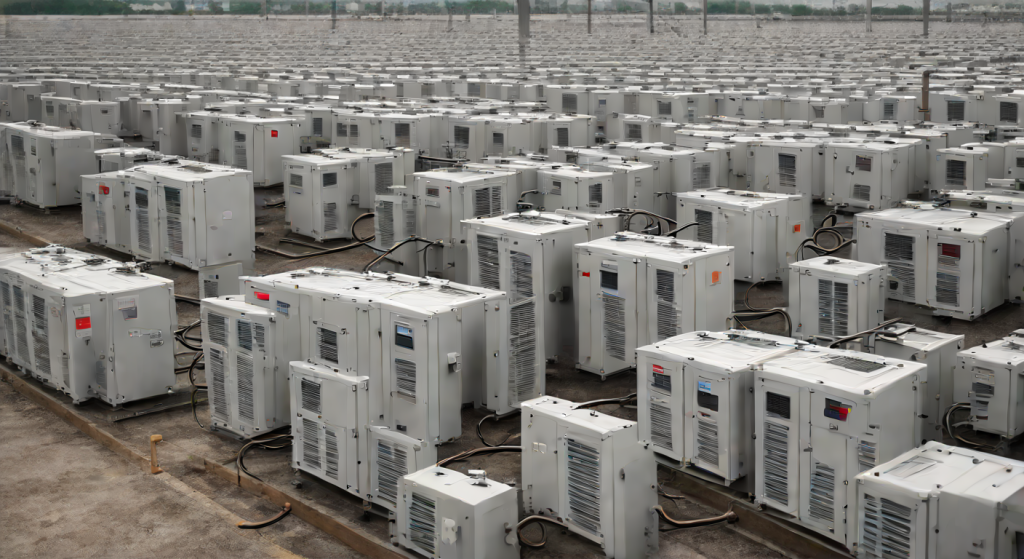
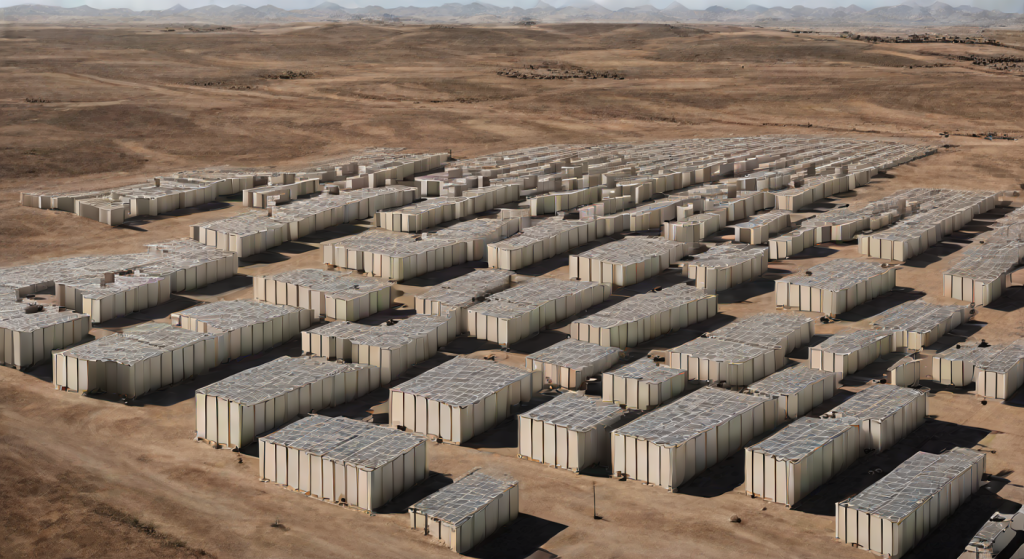
The Azalea project consists of a 60 MWAC photovoltaic array paired with a 38 MWAC / 152 MWh battery energy storage system sized for four-hour discharge duration. SOLV Energy, one of the largest solar engineering, procurement, and construction firms in the United States, served as the EPC contractor. Construction financing was provided by a bank consortium of Mizuho Bank, Commerzbank AG, and U.S. Bank, with U.S. Bank also providing tax equity investment.
The battery system stores solar generation during peak production hours and dispatches power during evening demand periods, making the facility a dispatchable resource rather than a curtailable intermittent generator. Idemitsu Renewables maintains a pipeline of solar and storage projects across the CAISO, WECC, MISO, and PJM interconnection regions.
Sonoma Clean Power Authority agreed to the PPA in 2023. The project delivers clean energy to SCP’s customers in Sonoma and Mendocino Counties. At full output, Azalea generates enough electricity to power approximately 20,000 homes per year and offsets an estimated 50,000 metric tons of carbon dioxide annually.
Critical Perspective
Commissioning a 38 MW / 152 MWh four-hour battery alongside 60 MW of solar in Kern County marks a construction milestone — the commercial test is whether the 4-hour discharge duration is sufficient when California’s evening net load ramp has extended beyond 5 hours during the multi-day heat events of 2020, 2021, and 2022 that stress-tested the state’s storage fleet. Kern County sits in a CAISO congested export corridor where daytime solar overproduction drives curtailment rates that can exceed 20% of annual solar generation, with curtailment risk typically borne by the project owner rather than the off-taker under fixed-price PPAs. Solar-plus-storage projects commissioned in California under utility PPAs have required an average of 8-14 months of post-commissioning optimization before meeting contractual dispatch availability thresholds. The question the commissioning announcement does not answer: is the Sonoma Clean Power PPA structured as a capacity contract or an energy delivery obligation, because the two create materially different exposure to CAISO nodal price conditions that a 60 MW solar array cannot control.
Why It Matters
California’s grid management challenge has shifted from building enough total generation to building dispatchable generation that fills the gap when solar output drops in late afternoon. The Azalea battery is designed specifically for this evening-peak problem: by storing midday solar surplus and releasing it into the 4–9 p.m. window, the project reduces the state’s dependence on gas-fired peakers during the highest-cost hours.
Community Choice Aggregators such as Sonoma Clean Power are under increasing pressure to maintain reliability as they expand their renewable portfolios. Long-term contracts with co-located solar-plus-storage facilities like Azalea provide a hedge against spot market price volatility and support the CCA’s obligations to serve load reliably without relying on the default utility. The four-hour duration matches the California Public Utilities Commission’s standard for qualifying storage in procurement obligations.
The project also demonstrates continued Japanese industrial investment in U.S. renewable energy. Idemitsu, traditionally an oil company, has built a California-focused renewables portfolio spanning multiple interconnection regions. The Azalea COD adds to a growing list of projects where utility-scale solar paired with four-hour storage has achieved commercial operation under multi-year PPAs with community utilities rather than investor-owned utilities.