Orcas Island Arts Center Commissions 134 kW Microgrid
- Emergency & Local Government Microgrids News
Marin Holt
- 0
- 6 minutes read
- 134 kW solar PV + 1.3 MWh ELM MG2 battery + 150 kW propane generator commissioned October 2025
- Designated Emergency Operations Center under San Juan County Comprehensive Emergency Management Plan
- System provides up to 56 hours of islanding in winter; continuous grid-independent operation in summer
- Offsets 87% of facility's annual electricity (156,844 kWh/year); 70% generator fuel reduction vs. backup-only
- Funded by WA Dept of Commerce Climate Commitment Act ($72.6M awarded to 71 projects in June 2024)
The Orcas Center, a performing arts and community hub serving Orcas Island’s roughly 6,000 full-time residents, commissioned a 134 kW solar-plus-storage microgrid in October 2025 — formally designating the facility as an Emergency Operations Center under San Juan County’s Comprehensive Emergency Management Plan.
What Was Built
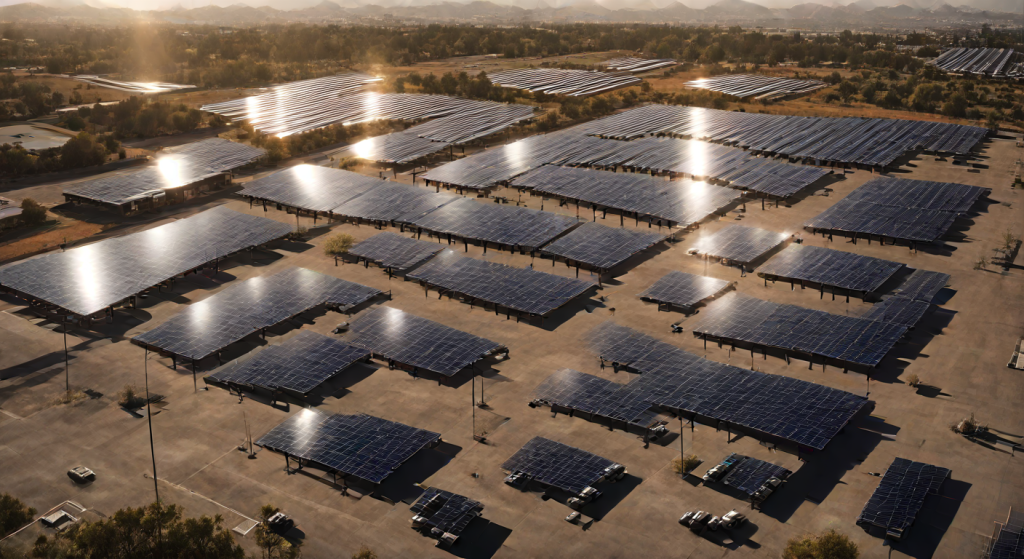
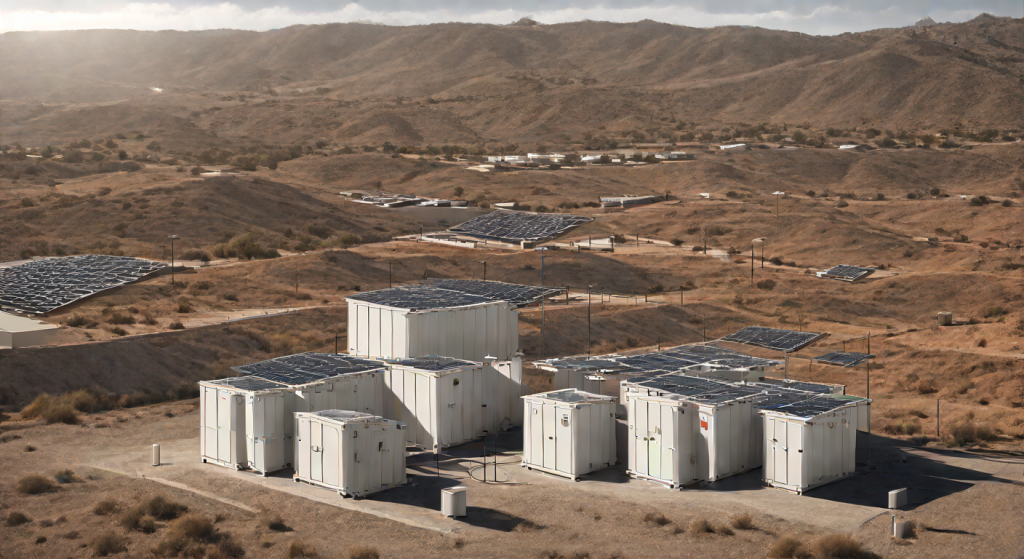
The system pairs a 134 kW rooftop photovoltaic array with an ELM MG2 battery delivering 1.3 MWh of storage, backed by a 150 kW propane generator and coordinated by ELM’s Fieldsight microgrid management platform. Annual solar production is projected at 156,844 kWh, offsetting roughly 87% of the facility’s annual electricity consumption. In islanded mode, the battery sustains critical loads for up to 56 hours in winter without generator support; summer solar irradiance enables indefinite grid-independent operation. When the generator activates, it extends runtime by an additional 33–56 hours — a 70% reduction over a generator-only backup scenario. Cascadia Renewables led feasibility study and engineering design, using Xendee software for techno-economic simulations and synthetic load modeling. General contractor Sulis Energy executed construction, with Mills Electric handling electrical installation and Island Excavating and Mammoth Construction providing civil work.
Critical Analysis
During islanding, the 150 kW propane generator transitions to grid-forming mode, establishing the voltage and frequency reference for the 134 kW solar inverters. Community microgrids in Orcas Island, WA provide modest distributed generation that reduces local peak demand while serving as emergency backup.
5-Year Projection
By 2031, operational data from facilities like this will become the standard requirement for securing interconnection agreements, as ISOs prioritize proven Solar profiles.
Critical Perspective
The Orcas Center commissioned a 134 kW microgrid in October 2025. This system is significantly smaller than the 100 MW microgrid built for the U.S. Army’s Fort Carson. California’s 2019 wildfire season demonstrated that even large microgrids struggle to maintain power during prolonged grid outages. Will this 134 kW system truly provide meaningful emergency operations for 6,000 residents when the main cable fails?
Why It Matters
Orcas Island is served by a single submarine cable connecting the archipelago to Puget Sound Energy’s mainland grid through Orcas Power and Light Cooperative (OPALCO). That single-feed topology makes the island acutely vulnerable to extended outages from severe weather, vessel strikes, or cable faults — events that have historically left residents without power for days at a time. San Juan County Emergency Manager Brendan Cowan noted that the microgrid’s islanding capability allows the Center to be fully integrated into county emergency response planning, providing warmth, food and medicine storage, EV charging, and communications infrastructure during disruptions. When grid-connected, the system participates in OPALCO’s experimental fiber-optic DERMS program for grid-flexibility dispatch, enabling energy arbitrage and demand management that support the cooperative’s broader renewable integration goals.
Funding and Timeline
The project was funded by the Washington State Department of Commerce under the Climate Commitment Act, which awarded $72.6 million to 71 community clean energy projects across 24 counties in June 2024 — one of the largest single-round community microgrid funding programs in state history. Feasibility and conceptual design concluded in mid-2023, with permitting and final engineering completed by late 2024. Construction began in Q1 2025 and commissioning was finalized in October 2025.