Metro Transit Orders 20 Battery Electric Buses as North Loop
- EVs Fleet & Depot Charging News
Marin Holt
- 0
- 7 minutes read
- Metro Transit ordered 20 40-foot BEBs in 2024 plus 18 bus storage chargers and 4 maintenance mobile chargers
- North Loop Bus Garage March 2023 is 657970 sq ft stores 200 buses 24 maintenance bays
- Xcel Energy TEP budgets 22M in 2024 45M in 2025 79M in 2026
- 2024 Minnesota legislation mandates zero-emission-only bus purchases from 2035
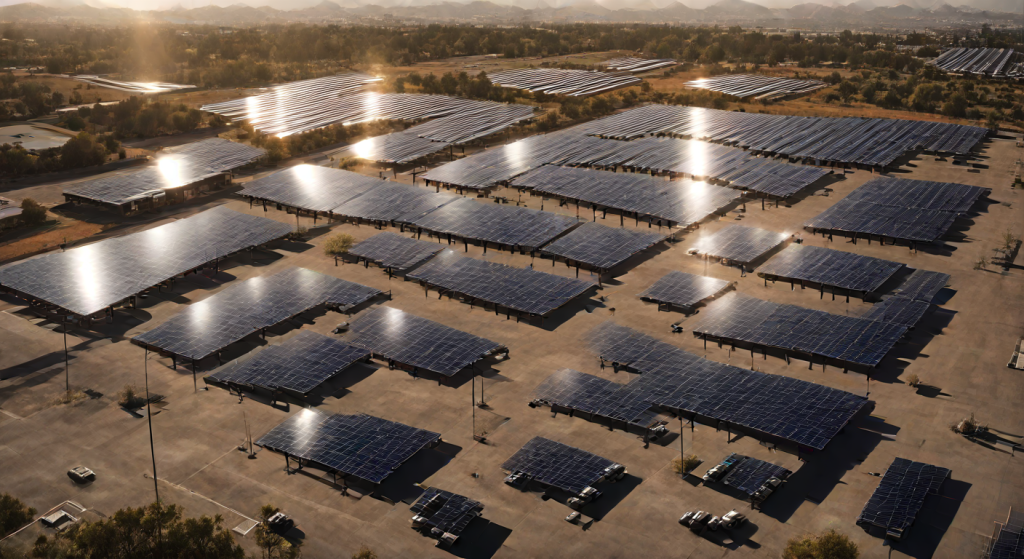
- North Loop Garage plans include 2 MWh rooftop solar-plus-storage
- Xcel Energy serves 90 percent of Minnesota 50000 EV registrations
Metro Transit’s 2024 battery electric bus procurement and the continued buildout of its North Loop Bus Garage represent a coordinated push by Minnesota’s largest transit agency to eliminate diesel from its fleet, with Xcel Energy providing the grid infrastructure to support depot-scale charging loads under a $146 million three-year investment plan.
2024 Procurement: 20 Buses, 22 Chargers
In 2024, Metro Transit ordered 20 40-foot battery electric buses along with 18 bus storage chargers and four maintenance mobile chargers, funded through Federal Transit Administration Low or No Emission grants and Minnesota Department of Transportation capital allocations. The buses are slated for local route service, expanding an electric fleet that launched in 2019 with eight 60-foot buses on the METRO C Line connecting Brooklyn Center, north Minneapolis, and downtown.
North Loop Garage: Purpose-Built for Electrification
The North Loop Bus Garage, which opened in March 2023, was designed from the ground up to support full electrification. The 657,970-square-foot facility at 600 8th Avenue North in Minneapolis stores up to 200 buses across 24 maintenance bays. Future buildout includes depot-wide electric bus charging equipment supported by a planned 2 MWh rooftop solar-plus-storage system, which will offset peak charging demand and enable grid services back to Xcel Energy during high-load periods.
LHB led the garage design with Hallberg Engineering, HDR, HNTB, and Stantec as subconsultants. The facility sits on a 10-plus-acre parcel in Minneapolis providing direct access to BRT corridors.
Xcel Energy TEP: $146M Over Three Years
Xcel Energy’s Minnesota Public Utilities Commission-approved Transportation Electrification Plan commits $22 million in 2024, $45 million in 2025, and $79 million in 2026 to fleet and public charging infrastructure statewide. Xcel serves more than 90% of Minnesota’s approximately 50,000 EV registrations, making its fleet programs the primary utility resource for large operators transitioning to electric vehicles.
The TEP targets 200 charging ports for the state vehicle fleet and 90 ports for the City of Minneapolis municipal fleet. The utility’s Commercial EV Fleet Pilot program offers subscription-based rate structures and reduced demand charges to manage the high-peak loads generated by overnight bus depot charging, a critical cost variable that affects fleet electrification return on investment calculations.
2035 Mandate and Grid Planning Requirements
Updated Minnesota legislation enacted in 2024 requires Metro Transit’s Zero Emission Bus Transition Plan to target only zero-emission bus purchases from 2035 onward, and directs the agency to coordinate with utilities on grid infrastructure upgrades sufficient to support a fully electric fleet. Metro Transit’s February 2025 Zero Emission Bus Transition Plan, filed with the Minnesota Legislature, outlines phased procurement and depot charging buildout through 2035, with annual acquisition targets calibrated to match infrastructure capacity additions at each garage site.
Critical Analysis
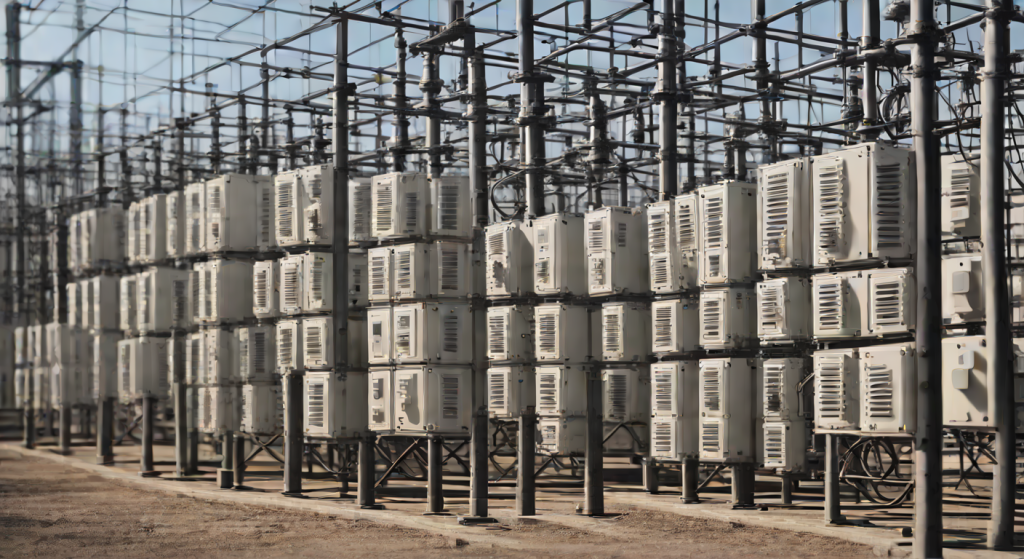
The 22 simultaneous bus storage chargers at North Loop Garage inject substantial nonlinear load from switch-mode rectifiers, generating dominant 5th and 7th order harmonic currents; at Xcel Energy’s Minneapolis distribution network ISC/IL ratios estimated in the 50-100 range, IEEE 519-2022 Table 2 permits up to 12% TDD at the depot service PCC. A 200-bus electric fleet charging overnight at a single North Loop Garage depot creates a sustained multi-megawatt load requiring dedicated transformer and distribution upgrades; Xcel Energy’s TEP commits $22M in 2024, $45M in 2025, and $79M in 2026 specifically to address this class of fleet electrification demand.
5-Year Projection
By 2031, operational data from facilities like this will become the standard requirement for securing interconnection agreements, as ISOs prioritize proven Battery Electric Bus 40-ft BEB profiles.
Critical Perspective
Metro Transit ordered 20 battery electric buses. King County Metro has already deployed 170 electric buses. The METRO C Line launched in 2019 with eight buses and has since expanded. What is the total cost per bus for this 20-bus order?