Ohio Clears 149 MW of Solar and 149 MW of Storage on a Strip Mine Still Being Reclaimed
- Energy Storage Regulatory Solar + Storage Integration
Marin Holt
- 0
- 7 minutes read
- The Ohio Power Siting Board approved 149 MW of solar and 149 MW of battery storage at Hamden Energy
- Recurrent Energy will build on 945 acres inside a 1,336-acre project area of previously mined land
- AEP is the transmission owner and the project is slated to enter service in 2029
- Roughly 19% of Vinton County residents live in poverty
- Construction waits on reclamation work owned by Cheyenne Resources, not by the developer
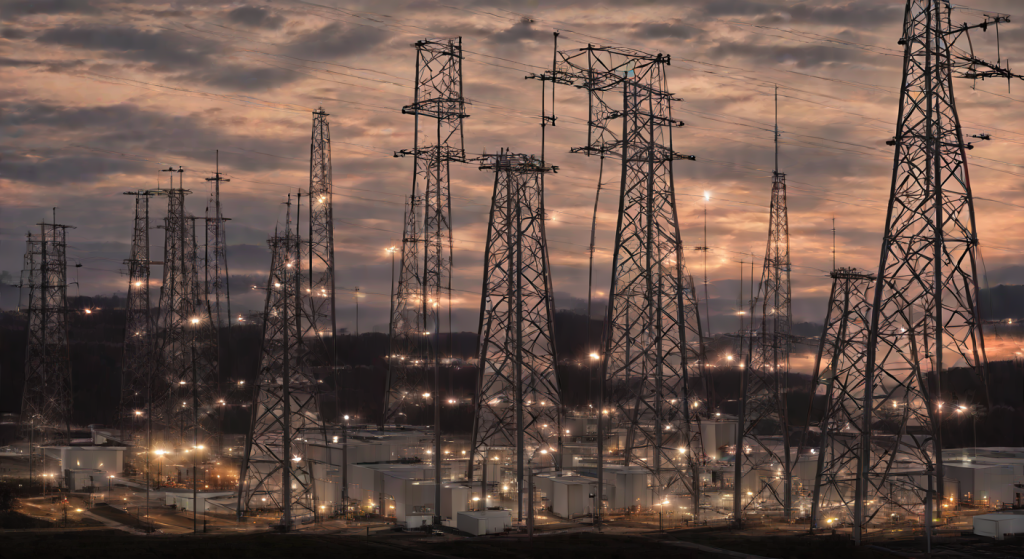
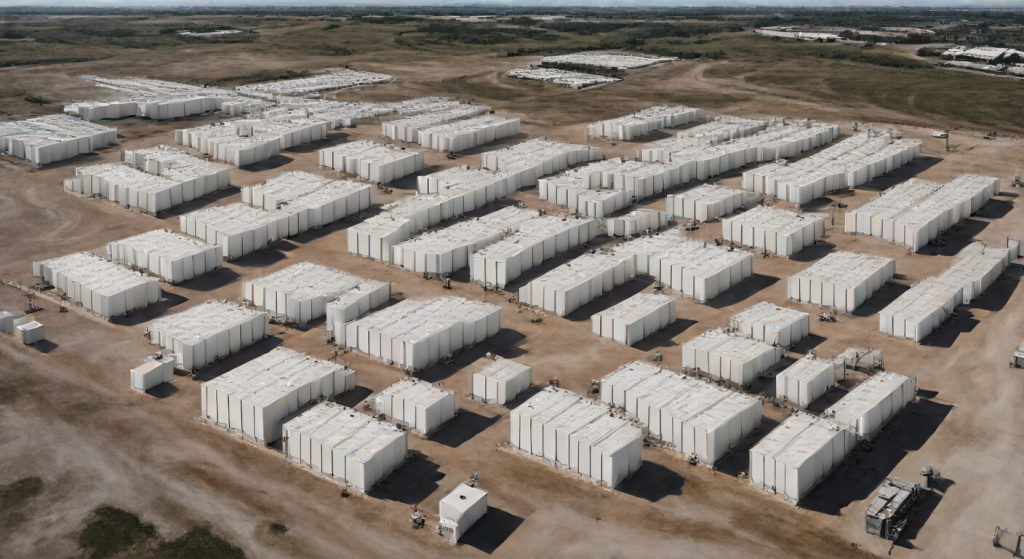
The Ohio Power Siting Board unanimously approved a permit last month for Hamden Energy in Clinton Township, Vinton County. The hybrid plant pairs 149 megawatts of solar with 149 MW of battery storage. Recurrent Energy will build it on 945 acres inside a 1,336-acre project area of previously mined land. No party in the case opposed it. AEP is the transmission owner, and the project is slated to enter service in 2029.
The empty opposition column is the unusual part. Ohio solar siting cases routinely draw organized resistance over farmland. A 2021 state law lets Ohio counties block solar and wind projects outright. It puts no equivalent hurdle in front of fossil generation. The Vinton County commissioners held that veto and did not use it.
What the Permit Is Waiting On
The land is not ready. Cheyenne Resources, a Kentucky mining company, holds the surface mining permit for the former Sands Hill strip mine and owns the reclamation work. Recurrent agreed to start construction only after that reclamation finishes. Roughly 25 people commented in the docket or spoke at the June 10 local hearing. Their most common concern was this exact sequencing. Andy Chow, a spokesperson for the Ohio Department of Natural Resources, confirmed the mining permit sits with Cheyenne.
The public record does not agree on the schedule. The Highland County Press reported after the board meeting that Recurrent plans to start construction later this year. Canary Media reported that construction waits on a cleanup the developer does not control. Those two statements do not fit together, and the difference decides whether 2029 is a plan or a hope.
The numbers also moved during the case. WOUB Public Media described the site in February as up to 1,440 acres with a capacity of 180 megawatts. The approved permit covers up to 149 MWac on 945 acres. Recurrent has published no megawatt-hour rating for the battery, so the storage duration is still unstated.
Cost is unstated as well. Ali Trunzo, a senior development manager at Recurrent Energy, declined to give a figure. She noted that the soils and terrain at the site call for specialized methods and equipment. RMI, a clean energy think tank, puts brownfield development above greenfield on cost because of site conditions and the need to accommodate remediation. Roughly 19% of Vinton County residents live in poverty, and Trunzo’s statement cites supplemental tax revenue without attaching a number to it.
Why It Matters
Reclaimed mine land is the path of least resistance for utility-scale solar in Ohio, and this permit shows how well that path works. A unanimous board, no intervenors against, and a county that kept its veto in its pocket. The trade is a construction schedule tied to somebody else’s cleanup. For a lender or an offtaker pricing an AEP interconnection position, the permit date is not the risk date. The reclamation completion date is, and it belongs to a coal company rather than to the developer.
Critical Perspective
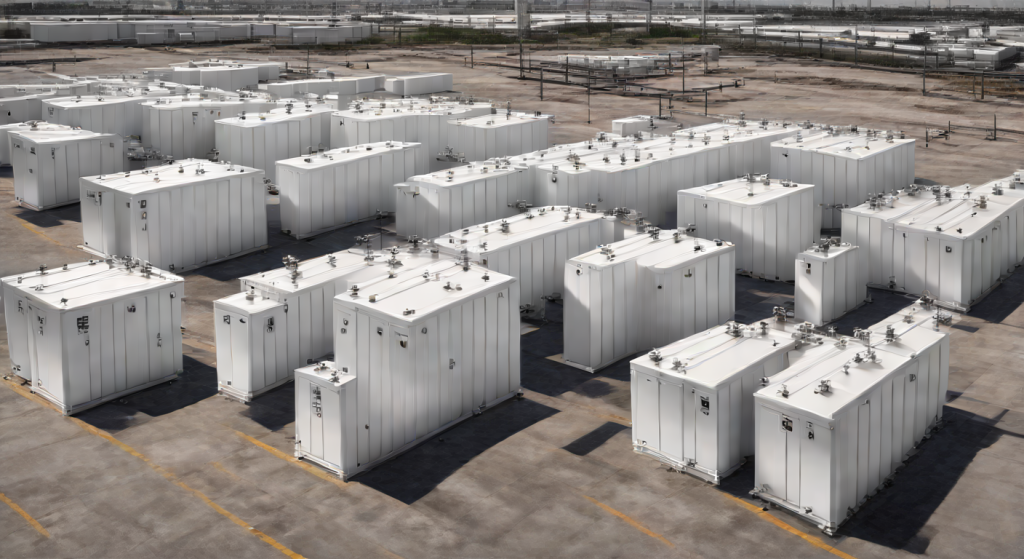
The permit approves power, not energy. Both halves of this project are quoted at 149 MW, and no megawatt-hour figure has been published for the battery. A 149 MW battery that runs for 30 minutes and a 149 MW battery that runs for four hours are different assets with different revenue. The siting board cleared the footprint. It did not settle what the storage is for.
The clean docket also rests on a site nobody wanted. Reclaimed strip mine ground draws no farmland objection because it grows nothing. That makes this a workaround rather than a template, and the farmland fight that sank other Ohio projects is untouched by it. The Vinton County commissioners still hold the veto the 2021 law gives them, and declining to use it once binds them to nothing.
The schedule is the sharpest exposure. Recurrent agreed to start construction only after reclamation finishes, and that work belongs to Cheyenne Resources, which holds the surface mining permit. A developer that has tied its start date to a third party controls neither the date nor the counterparty. Service in 2029 assumes a cleanup timeline that no filing in this case commits anyone to.