Aypa Power, SRP Bring 250 MW/1,000 MWh Pediment Battery Online
- Energy Storage News Utility-Scale BESS
Marin Holt
- 0
- 6 minutes read
- Capacity: 250 MW / 1,000 MWh
- Location: Mesa, Arizona
- Offtaker: Salt River Project
- Online: June 16, 2026
- Homes served: 56,250 for four hours
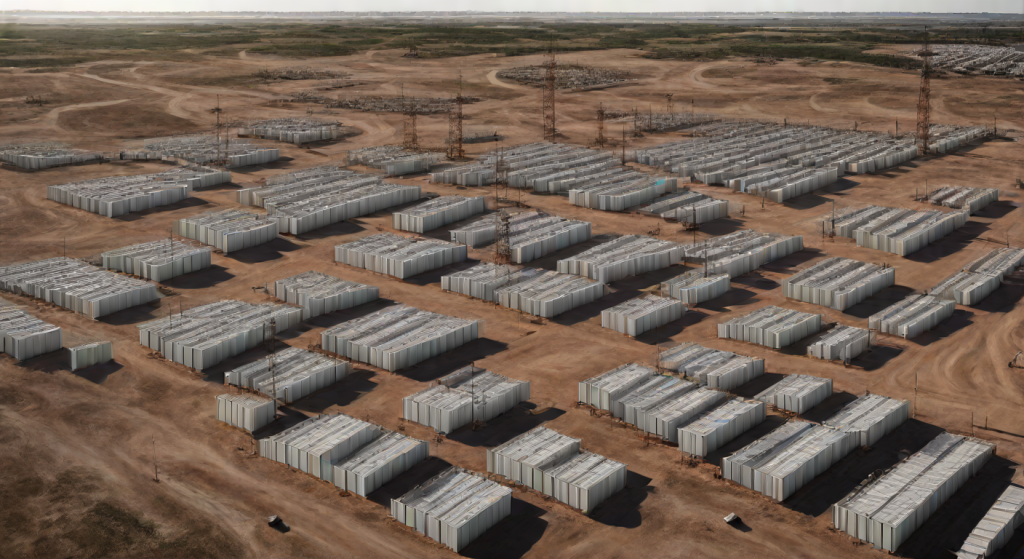
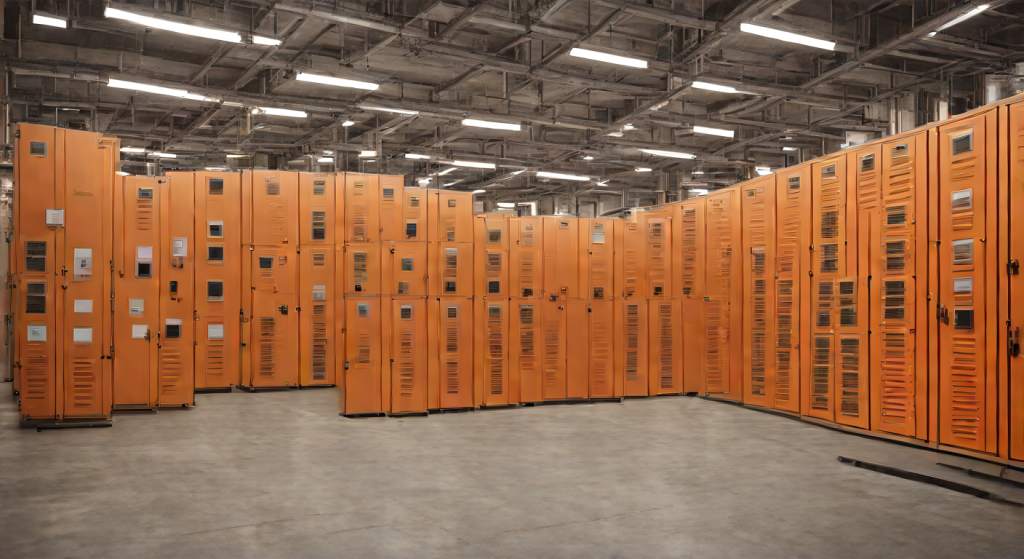
Aypa Power and Salt River Project brought the 250 MW/1,000 MWh Pediment battery storage system online in Mesa, Arizona, the two companies announced on June 16, 2026. The lithium-ion facility, sited at the Elliot Road Technology Corridor, now serves SRP customers and holds enough energy to power up to 56,250 Valley homes for four hours.
Aypa Power, owned by Blackstone, acquired Pediment from developer Eolian in 2024 and finalized a $398 million financing package for the project in December 2024. SRP contracts the full output. Pediment is the first of two Aypa projects under contract with the utility; a second 250 MW/2,000 MWh battery is scheduled to come online in December 2028, bringing the pair to a combined 500 MW and 3,000 MWh on SRP’s system.
The project lands as the Phoenix metropolitan area ranks among the fastest-growing regions in the country, with data center and air-conditioning load pushing summer peaks higher each year. SRP now counts more than 1,570 MW of battery storage and more than 1,560 MW of solar capacity across its grid, a portfolio the utility has built out to firm up an increasingly solar-heavy supply mix.
The pairing also lays out a duration ladder on SRP’s system. Pediment runs four hours at full output, while the second Aypa battery due in December 2028 is specified at 250 MW/2,000 MWh, an eight-hour design that holds twice the energy per megawatt. Stacking a four-hour and an eight-hour asset lets the utility cover both the early-evening solar ramp and the longer overnight stretches a single four-hour block cannot, the multi-duration approach utilities from California to Texas have started to favor as solar saturation pushes the net peak later into the night.
Critical Perspective
Pediment is a four-hour battery: the 56,250-home figure holds for exactly four hours, so on a Phoenix summer evening where demand stays high past sundown its coverage is bounded, and the genuinely long-duration half of the program is the 250 MW/2,000 MWh eight-hour battery still two and a half years from its scheduled December 2028 start. That second project carries the same execution risk Pediment just worked through, financed in December 2024 and online in mid-2026. Because SRP contracts the full output, the economics track one utility’s resource plan rather than a market, so the value of the combined 500 MW rests on SRP procurement decisions and on the 2028 unit arriving on schedule.
Why It Matters
A four-hour battery earns most of its value by shifting midday solar into the evening ramp, exactly when Phoenix cooling and data center demand collide after sundown. For SRP, Pediment adds firm capacity without a new gas peaker, and the contracted structure shields ratepayers from merchant price swings. The trade-off: returns track the utility’s resource plan rather than wholesale arbitrage, so the economics depend on SRP procurement decisions rather than a volatile spot market. Operators weighing similar 1,000 MWh builds should note that Pediment reached commercial operation under a single-offtaker contract, a structure that derisks financing but caps upside compared with merchant projects in CAISO or ERCOT.
Sources
- SRP — SRP and Aypa Power Bring New Battery Storage System Online (June 16, 2026)
- Energy-Storage.news — Aypa Power brings 1,000 MWh Arizona BESS online
- T&D World — SRP Brings 250-MW Battery Storage Project Online in Arizona
- American Public Power Association — SRP and Aypa Power Bring New Battery Storage System Online
- pv magazine USA — Aypa Power brings 250 MW/1,000 MWh Pediment battery storage online