Scania Demonstrates Vehicle-to-Grid
- EVs News
Marin Holt
- 0
- 6 minutes read
- Power demonstrated: Up to 750 kW, 1,000 amps bi-directional
- Technology: Megawatt Charging System (MCS) run in reverse for V2G
- Location: Sodertalje, Sweden
- Date: May 26, 2026
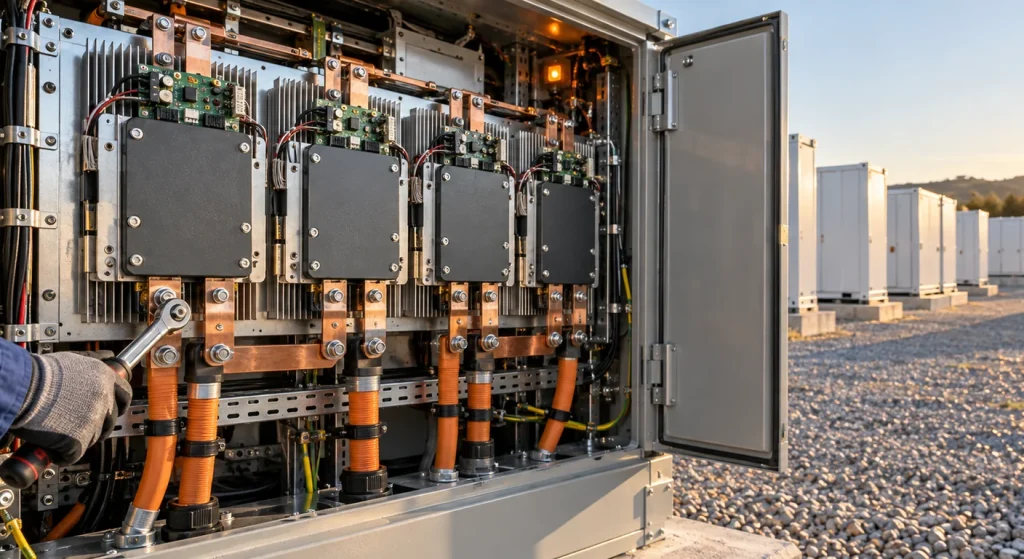
Scania on May 26, 2026 demonstrated bi-directional vehicle-to-grid (V2G) power transfer for a heavy electric truck at up to 750 kilowatts (kW) and 1,000 amps using the Megawatt Charging System (MCS) at its Sodertalje, Sweden site, in what the company and partner TRATON called one of the world's first V2G demonstrations through MCS for heavy commercial vehicles.
What was demonstrated
The test pushed power in both directions across an MCS connector rated to 1,000 amps, reaching 750 kW during the bi-directional exchange. MCS is the emerging high-power standard for trucks, designed to deliver far more current than the CCS connectors used on passenger cars and to add hundreds of miles of range in roughly half an hour. Running it in reverse turns a parked truck into a grid asset that can discharge stored energy back to the network, a capability automakers have shown on cars but rarely at megawatt-class power for Class 8 vehicles.
Trucks as grid resources
"Electric trucks will not only consume electricity, they can also become an active resource in the energy system," said Tobias Ejderhamn, Scania's Global Manager for Transformation and New Business. Yorben Muller, Product Manager Charging at TRATON, added: "To our knowledge, this is one of the world's first demonstrations of vehicle-to-grid functionality using MCS for heavy commercial vehicles." The rationale is depot economics: trucks sit idle for long stretches at terminals, and a fleet of multi-hundred-kilowatt-hour batteries discharging during peak periods can shave demand charges or sell flexibility services.
Where depot V2G fits first
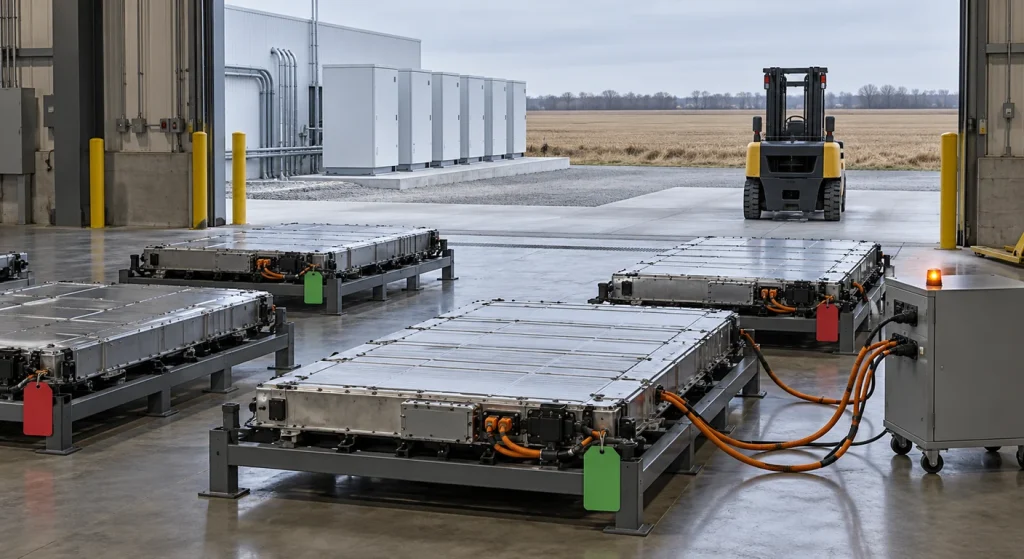
Scania positioned depot charging as the most relevant first use case, where vehicles are parked for predictable windows and discharge can be coordinated with grid conditions. That matches how operators are planning early MCS sites: at fixed hubs with utility-scale grid connections rather than scattered public stalls. A single MCS port at 750 kW to 1.2 megawatts (MW) draws power on the order of dozens of homes; aggregating several into a bi-directional depot creates a controllable load and a dispatchable supply at one interconnection point. No commercial timeline or pilot fleet size was disclosed.
Critical Perspective
A single-site demonstration is a long way from revenue. Heavy-truck V2G faces the same obstacles that have slowed passenger-car bidirectional charging: battery warranty concerns over added cycling, the cost of bidirectional power electronics, and market rules that often do not yet compensate mobile, intermittently available storage. Megawatt-class power amplifies each issue, and a truck that discharges to the grid is a truck not earning freight revenue. The demonstration proves the hardware path; the business case for fleets still depends on tariffs and market access that largely do not exist for this asset class today.
Why It Matters
Megawatt charging depots are being built now across the U.S. and Europe, and each is a large new load on already strained distribution grids. If those same connections can run in reverse, fleet depots become flexibility resources instead of pure demand. Operators evaluating MCS sites should track bidirectional capability as a future revenue and demand-charge lever, even though the standards, warranties, and market rules to monetize it are still being written.