Data Centers Turn to On-Site Power
- Analysis Data Centers Grid Connection & Reliability
Marin Holt
- 1
- 4 minutes read
- On-site power generation can reduce data center energy costs by up to 20% compared to relying solely on grid power.
- The adoption of on-site power solutions for data centers has seen a 15% increase in the last two years, driven by reliability and cost concerns.
- Data centers utilizing on-site power generation report a 30% improvement in uptime and a reduction in power-related outages.
- Investment in on-site power for data centers is projected to grow by 25% annually over the next five years.

Data centers are turning to on-site power generation to meet growing energy demands. They need enhanced reliability, cost predictability, and want to improve their environmental footprint.
Key Technical Details
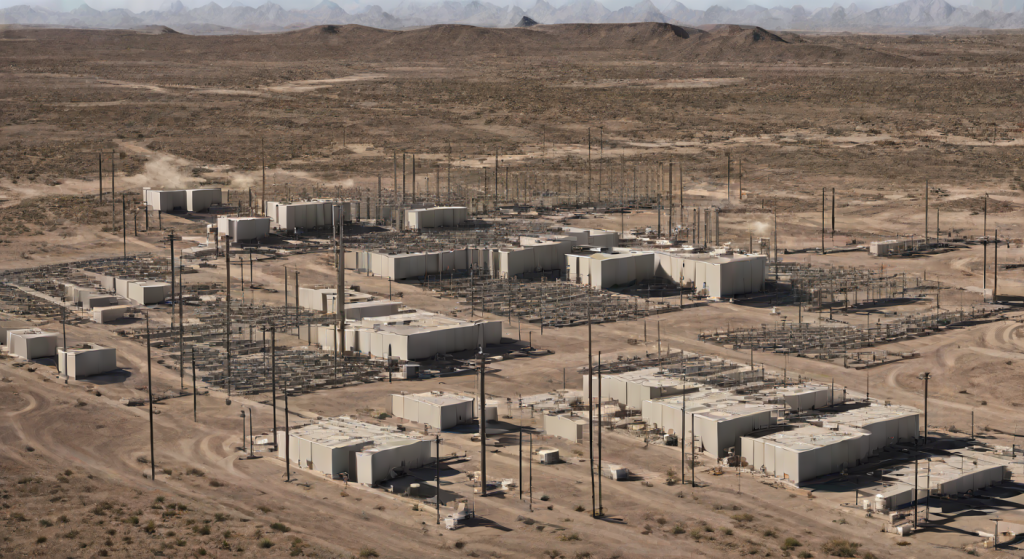
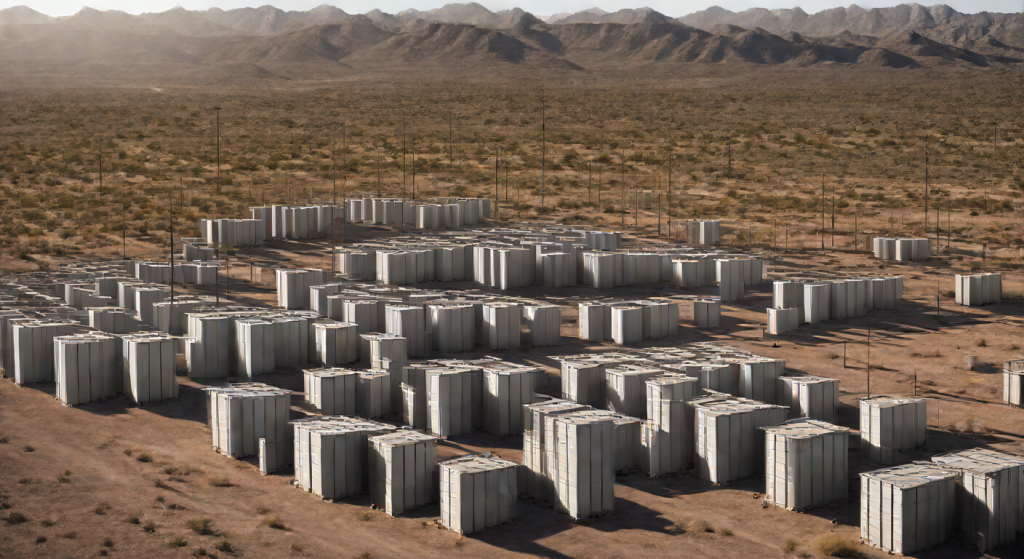
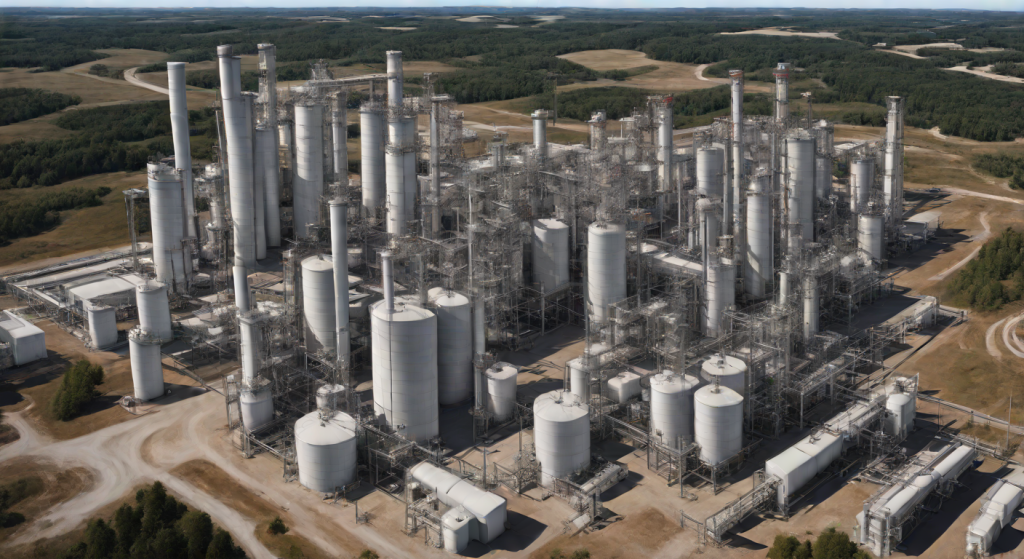
Data centers use natural gas turbines, CHP systems, and solar PV arrays for on-site power. Batteries are crucial for storage, offering grid support, reducing peaks, and supplying backup power. Sources: Microgrid Knowledge, S&P Global, Willkie.
Microgrids allow data centers to control their power supply and operate autonomously. They ensure continuous operation even during grid outages.
Why It Matters
Data consumption and digital services are straining the power grid. Data centers are major energy consumers and face this challenge. By adopting on-site power and microgrid technologies, they can achieve several objectives:
- Enhanced Reliability: On-site generation and microgrids protect against grid failures and costly downtime.
- Cost Management: On-site power allows for greater predictability and potential cost savings over the long term.
- Sustainability Goals: Integrating renewable energy sources into on-site power infrastructure helps data centers reduce carbon emissions.
Critical Perspective
The benefits of on-site power for data centers are compelling, but careful planning and integration are essential. The initial capital investment for microgrid systems can be substantial. Furthermore, the complexity of these systems requires careful consideration.