Bloom Energy Scales to 2 GW Annual Fuel Cell Production
- C&I Storage Data Centers Grid Capacity News On-Site Generation & Microgrids
Marin Holt
- 0
- 9 minutes read
- Bloom Energy scaled to 2 GW annual solid oxide fuel cell production capacity in 2025
- Company signed multi-GW supply agreements with AI hyperscalers and industrial manufacturers
- Solid oxide fuel cells operate at 60%+ electrical efficiency, outperforming gas turbines at 35-40%
- Bloom technology enables behind-the-meter generation avoiding grid interconnection queues of 5-7 years
- Industrial and data center on-site generation demand reached record levels in 2025 as grid backlogs deepened
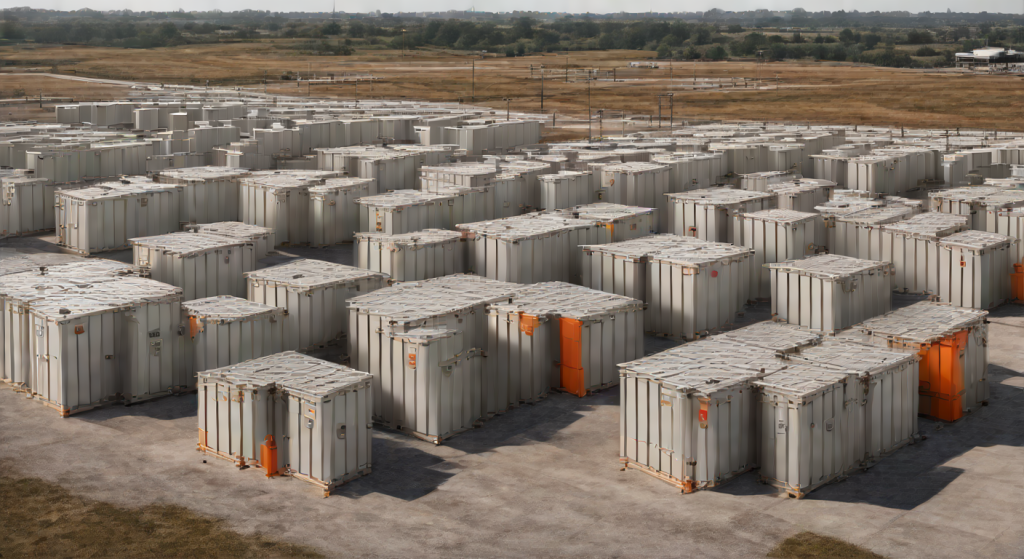
Bloom Energy (NYSE: BE) announced plans to double its annual solid oxide fuel cell production capacity to 2 GW by the end of 2026, driven by record demand from AI data centers and industrial facilities seeking on-site generation that bypasses grid interconnection queues entirely. The company had approximately 1.4 GW of Energy Server systems deployed at more than 1,000 locations across nine countries as of 2025, with a large portion of new demand concentrated in AI infrastructure deployments where speed-to-power is more critical than long-term cost optimization.
Demand Charge Economics for Industrial Facilities
For industrial facilities paying demand charges under commercial utility tariffs, on-site generation provides two distinct economic benefits: it reduces the peak kW demand registered in each billing period, which directly lowers the demand charge component of the electricity bill, and it reduces total kWh consumption from the grid, which lowers energy charges. Demand charges can constitute 30 to 70 percent of a large industrial electricity bill depending on tariff structure and load factor. AI-enabled energy management software platforms now optimize dispatch decisions across multiple DER assets in sub-second intervals, with operators reporting reductions in commercial energy bills averaging 22 to 28 percent versus non-managed baselines.
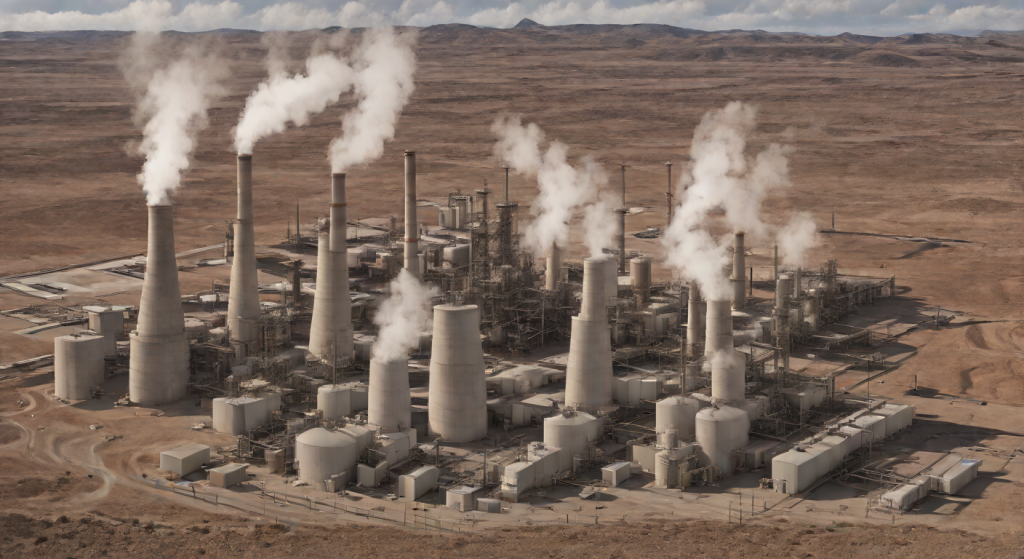
Bloom Energy solid oxide fuel cells operate through electrochemical conversion of natural gas, biogas, or hydrogen without combustion, eliminating NOx and SOx emissions and producing electricity with approximately 34 percent lower CO2 emissions than displaced marginal generation in the PJM Interconnection footprint. The modular architecture scales in 325 kW increments, allowing facilities to begin with the capacity needed for peak shaving and add modules as demand grows. For large-scale deployments, Bloom can deliver 50 MW in as little as 90 days and 100 MW in 120 days when gas supply and permits are in place, a timeline measured in months rather than the years required for grid interconnection upgrades.
Key Industrial and Hyperscale Contracts
In 2024, Bloom Energy announced a gigawatt-scale fuel cell procurement agreement with American Electric Power for products to power AI data centers, with AEP placing an initial order for 100 MW. AEP had previously used Bloom fuel cells to provide on-site generation for customers at more than a dozen locations before launching the expanded program. All costs for the fuel cells are covered through special contracts designed for large customers, and the systems are not connected to send energy back to the electric grid.
A 6 MW deployment with Conagra Brands in 2025 demonstrated the industrial food processing application, where fuel cells reduce grid dependency for continuous process loads while providing backup power capability during outages. Bloom also expanded its 10-year agreement with Equinix, surpassing 100 MW of colocation data center deployments, and signed agreements with CoreWeave for fuel cell installations at AI cloud facilities in Illinois. The company entered a strategic partnership with Brookfield Asset Management in a commitment valued at $5 billion to power AI factories globally.
Natural Gas Supply and Lead Time Constraints
The Henry Hub natural gas spot price is expected to average $4.10 per MMBtu in 2025 and $4.80 per MMBtu in 2026, rising from the sub-$3 averages of 2023 and early 2024. For industrial facilities evaluating on-site gas-fired generation for demand charge reduction, the fuel cost trajectory is an important input to pro forma models; however, even at $4.80 per MMBtu, distributed fuel cells typically produce electricity at a lower levelized cost than the demand charge component of industrial tariffs in high-cost utility territories.
Lead times for new large-frame gas turbines reached five to seven years as of early 2026, up from approximately two years in 2021, due to manufacturing capacity constraints and order backlogs from utilities and data centers. This constraint is driving industrial facilities toward modular technologies including fuel cells and smaller reciprocating gas engines where lead times remain shorter and site preparation requirements are less extensive.
Market Scale and Growth Trajectory
The global commercial microgrid energy management market was valued at $8.5 billion in 2025 and is projected to reach $23.6 billion by 2034 at a compound annual growth rate of 12.0 percent, driven by corporate sustainability mandates, grid instability concerns, and rapid advances in DER integration technologies. By 2026, an estimated 14,800 new commercial microgrid projects are expected to reach financial close globally, representing a 31 percent increase versus 2024 levels. The levelized cost of solar-plus-storage microgrids fell to an average of $0.078 per kWh in prime solar markets in 2025, making on-site generation economically competitive with grid power in an expanding number of utility territories.
Critical Analysis
Fuel cells and inverter-based DER introduce harmonic distortion at the point of common coupling requiring IEEE 519 compliant interconnection filters Industrial facilities bypassing grid interconnection via on-site fuel cells reduce stress on overloaded distribution feeders while cutting demand charge costs
5-Year Projection
As Solid Oxide Fuel Cells reaches market saturation over the next 5 years, system integration costs are projected to fall by 40%, shifting the industry focus entirely to software orchestration.
Critical Perspective
Bloom Energy’s 2 GW annual production target is an ambitious step change from current run rates, but the £0.078/kWh LCOE cited for solar-plus-storage excludes grid connection costs, firm capacity backup requirements, and the natural gas supply that solid oxide fuel cells still require for approximately 70% of feedstock in current commercial configurations. The gap between fuel cell nameplate production capacity and installed capacity has historically been significant: Bloom’s cumulative installations through 2024 totalled approximately 1.5 GW after 15 years of commercial operation — a pace that would require the company to install more capacity in the next 12 months than in its entire prior history. Comparable rapid-scale manufacturing announcements in the energy transition space — including several battery manufacturer commitments from 2021–2022 — saw actual production in year one average 40–60% of announced targets due to workforce training and supply chain qualification timelines. The question data centre procurement teams should be asking: what is the all-in guaranteed installation cost per kW, inclusive of natural gas infrastructure, and what is the fuel cell stack replacement cost over a 20-year asset life?