Camber Delivers 2.9 MW Depot Charging
- EVs Fleet & Depot Charging News
Marin Holt
- 0
- 7 minutes read
- 2.9 MW depot capacity enables simultaneous charging of 48 battery-electric buses at CapMetro Austin
- Two 1,440 kW Camber Charging Systems with 48 industrial DC dispensers installed February 2025
- Camber has deployed 1,500+ DC fast chargers across North America and delivered 50 GWh to heavy-duty EVs
- DOE committed $68 million in January 2025 for SuperTruck Charge heavy-duty charging infrastructure program
- Smart depot charging management reduces electricity costs up to 40% and improves charger utilization 38%
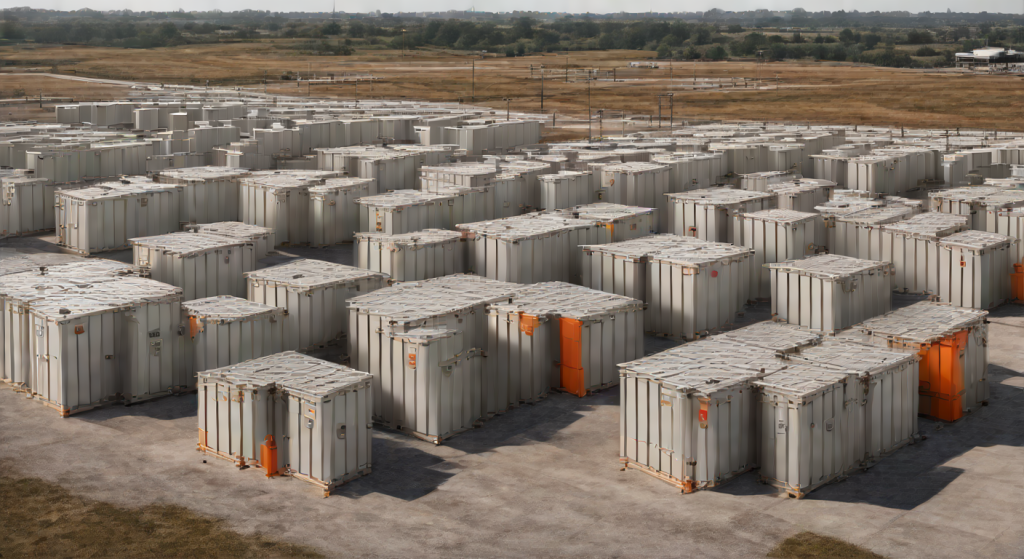
Commercial fleet electrification firm Camber deployed 2.9 megawatts of depot charging infrastructure at Capital Metro’s primary bus depot in Austin, Texas in February 2025, enabling simultaneous charging of 48 battery-electric buses. The installation includes two 1,440 kW Camber Charging Systems and 48 Camber Industrial Dispensers, along with proactive maintenance services for the transit agency’s growing zero-emission fleet.
System Scale and Infrastructure
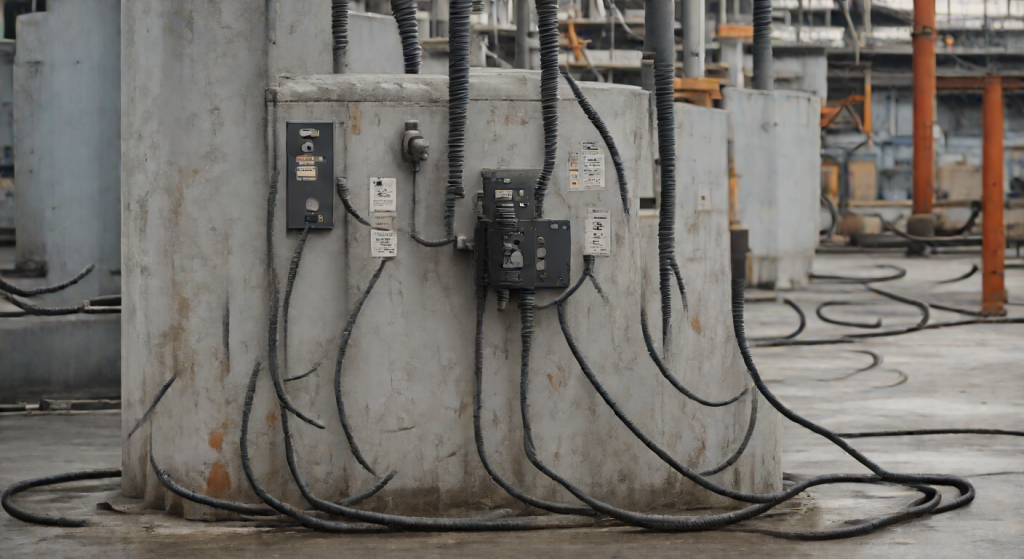
The CapMetro depot draws up to 2.9 MW during peak simultaneous charging events. Camber pairs high-power AC switchgear cabinets delivering 1,440 kW each with 60 kW DC industrial dispensers at each bus position. The solution includes CCS connector compatibility across CapMetro’s battery-electric bus fleet. Camber has deployed more than 1,500 DC fast chargers across North America and delivered 50 GWh of energy to heavy-duty EVs cumulatively.
Demand Management and Grid Impact
Unmanaged depot charging at 2.9 MW would create sharp demand spikes during shift changes, potentially doubling monthly electricity costs through demand charge penalties in ERCOT service territories. Camber’s energy management software staggers charge initiation across all 48 positions, flattening the load profile and reducing peak 15-minute interval demand. Fleets using smart charging management report up to 40% reduction in electricity costs and 38% improvement in charger utilization according to industry benchmarks [Fleet EV Charging Planning Guide 2026].
The solution also supports on-route charging at select terminal stops, allowing buses to return to the main depot with a higher state of charge. This reduces overnight charging requirements and lowers peak demand at the depot during ERCOT real-time price fluctuation windows.
Funding and Regulatory Context
The U.S. Department of Energy committed $68 million in January 2025 specifically to solve heavy-duty charging infrastructure barriers through its SuperTruck Charge initiative, identifying grid capacity limitations and demand charge structures as the primary economic barriers to fleet depot electrification. The Section 30C commercial charger tax credit offered 30% on qualifying equipment and installation up to $100,000 per location before expiration in mid-2026. Federal Low-No Program grants awarded $1.66 billion nationally in FY2025 for zero-emission bus procurement including charging infrastructure [CPUC Transportation Electrification Funding].
Montgomery County, Maryland completed a comparable transit depot project at EMTOC in Q4 2025, pairing 4.8 MWDC of solar, 2 MW battery storage, and 2.25 MW of electric bus charging in the largest renewable-powered transit microgrid in the United States. The EMTOC model demonstrates how solar-plus-storage integration can further reduce grid demand charges at high-power fleet depots [Mortenson EMTOC Fleet Depot Microgrid].
Critical Analysis
The 2.9 MW simultaneous charging load (48 x 60 kW DC dispensers plus 2 x 1,440 kW AC cabinets) drives significant 5th and 7th harmonic injection at the depot 480 V service entrance. The CapMetro depot draws up to 2.9 MW during peak simultaneous charging in ERCOT territory, where low system inertia amplifies frequency sensitivity [Camber CapMetro Austin Deployment].
5-Year Projection
By 2031, operational data from facilities like this will become the standard requirement for securing interconnection agreements, as ISOs prioritize proven Camber Charging System (AC Cabinet) profiles [Camber CapMetro Austin Deployment].
Critical Perspective
Camber delivered 2.9 megawatts of charging for 48 buses. This is a fraction of the 100 MW charging hub BYD is building in California. California’s previous attempts at fleet electrification faced significant grid integration challenges and cost overruns. What happens when the tax credits expire and demand charges remain?