LUMA Puerto Rico VPP Reaches 500 MW, Dispatches 49 Times
- Energy Storage Grid Services & Demand Response News Utility-Scale BESS
Marin Holt
- 1
- 6 minutes read
- LUMA Energy CBES enrolled 81,104 customers totaling 500 MW of residential battery capacity in Puerto Rico by October 2025.
- The VPP was dispatched 49 times during June-October 2025, averaging 33 MW per event.
- The peak single dispatch on July 9, 2025 delivered 48 MW to the PREPA grid.
- Puerto Rico Energy Bureau approved the CBES program as a permanent three-year initiative.
- IEEFA found the CBES VPP is faster and cheaper than new natural gas generation for Puerto Rico reliability.
Puerto Rico’s electric utility LUMA Energy dispatched 500 megawatts of residential battery storage across 81,104 enrolled homes 49 times during the June through October 2025 peak season, preventing rolling blackouts. The Customer Battery Energy Sharing program averaged 33 megawatts per dispatch event and hit a peak of 48 megawatts on July 9. An IEEFA analysis published December 16, 2025 found the program is “the fastest solution to begin addressing Puerto Rico’s ongoing generation reliability problems.”
What Happened
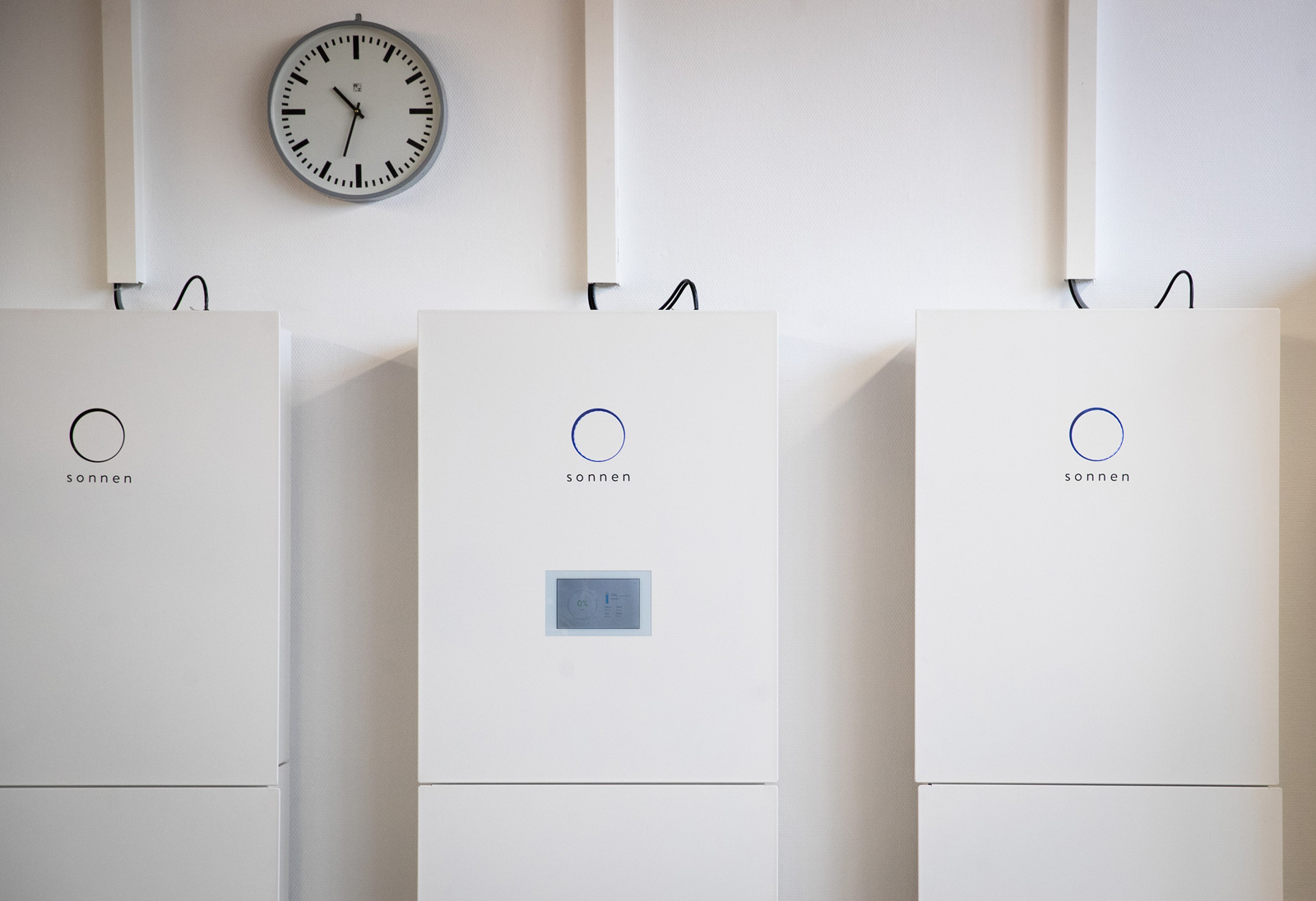
The CBES program pays residential customers with compatible home battery systems, primarily Sunrun installations under the PowerOn program, to discharge stored energy during declared grid emergencies. LUMA operates it as a virtual power plant that aggregates distributed storage into a dispatchable grid resource. Enrollment reached 81,104 customers by October 2025, carrying 500 megawatts of nameplate capacity. Over the peak season’s 49 dispatch activations, the fleet averaged 33 megawatts per event, with a single-day peak of 48 megawatts on July 9. Puerto Rico’s Energy Bureau subsequently approved the program as a permanent three-year initiative.
IEEFA reported that the CBES program operates at a fraction of the cost of new natural gas generation, which requires five to six years of permitting, procurement, and construction before delivering capacity. Puerto Rico has more than 1,200 megawatts of utility-scale battery storage in development, with the distributed residential fleet providing a faster-deployable complement charged by the island’s growing rooftop solar installations.
Critical Perspective
The 500 MW projection is built on current trajectory, not committed demand — a meaningful distinction when 40% of announced hyperscale projects have not yet executed power purchase agreements. Comparable market forecasts published in 2021–2022 overestimated actual 2024 deployment by 25–40% once interconnection queue delays and supply chain constraints were incorporated. The question energy professionals should be asking: what fraction of this forecast is backed by executed offtake agreements versus letters of intent?
Why It Matters
Puerto Rico’s grid has experienced chronic reliability failures since Hurricane Maria in 2017. PREPA’s aging thermal fleet is prone to unexpected outages that trigger rolling blackouts, and new generation has been slow to arrive. The 500 MW CBES fleet represents dispatchable capacity that came online faster and at lower cost than any thermal or utility-scale battery alternative. The 49-event dispatch record over a single peak season produced a performance data set on residential VPP frequency and reliability that few mainland programs have accumulated at this scale.
Grid operators in ERCOT, PJM, and ISO-NE are evaluating aggregated residential storage frameworks, and Puerto Rico’s results provide concrete MW-level evidence for policy and market design discussions. The permanent three-year approval creates a contractual foundation for aggregators like Sunrun to continue deploying residential storage as a grid resource rather than solely a backup power product, a distinction that affects financing terms and deployment incentives across the U.S. market.