PowerFlex Crosses 500 MW Solar and 50
- EVs Infrastructure & Grid Connection News Solar + Storage Integration
Marin Holt
- 0
- 6 minutes read
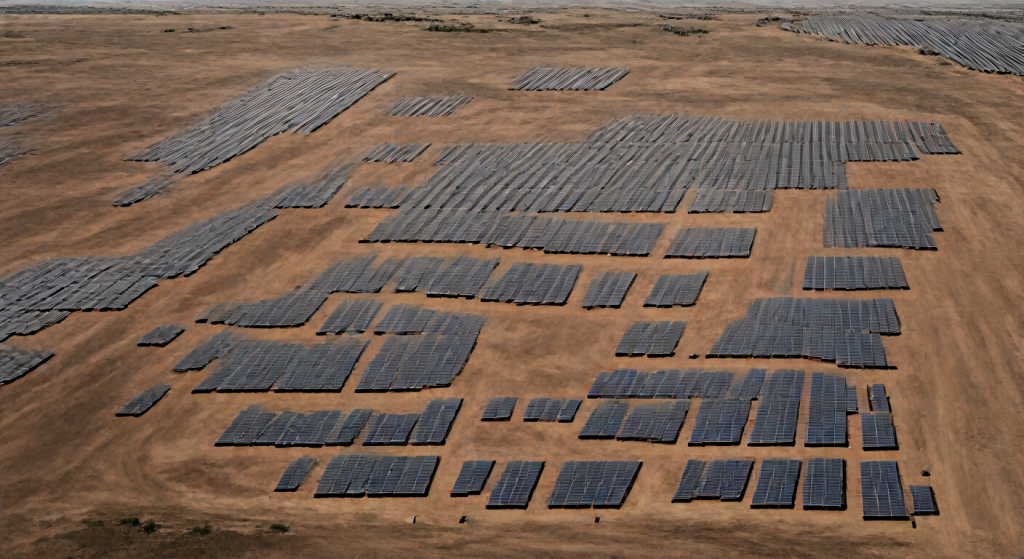
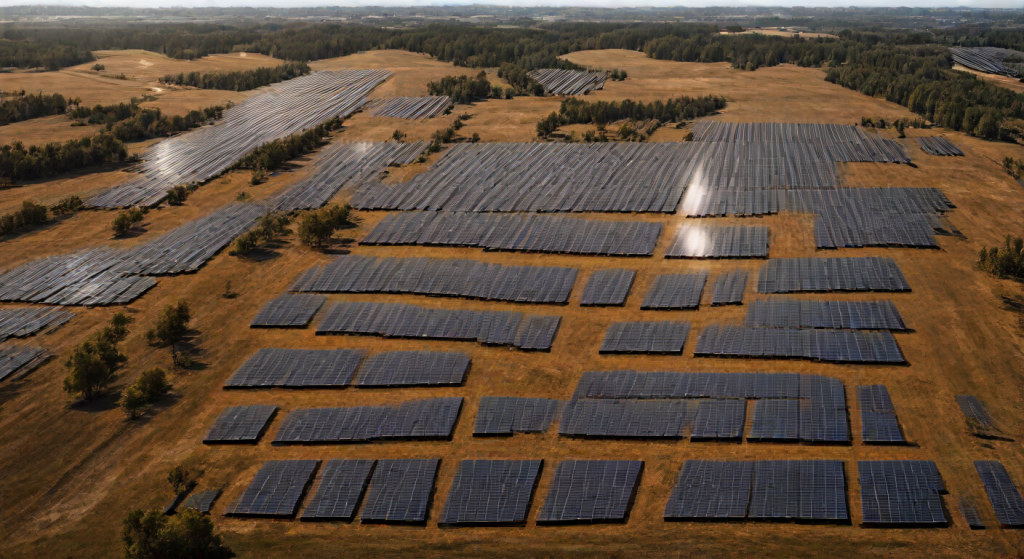
- PowerFlex crossed 500 MW commercial solar installed across nearly 1,000 North American sites as of November 2025
- 50 MWh battery energy storage deployed co-located with solar and EV charging infrastructure
- 50,000+ Level 2 EV chargers under management, the second-largest Level 2 network in the U.S.
- 460,000 metric tons of CO2 offset annually, equivalent to powering 100,000+ U.S. homes
- PowerFlex X adaptive energy management platform co-optimizes solar, storage, and EV charging to minimize demand charges
PowerFlex, the San Diego-based integrated clean energy platform, announced in November 2025 that it has crossed three simultaneous deployment milestones: 500 MW of commercial solar installed, 50 MWh of battery energy storage deployed, and 50,000 Level 2 EV chargers under management across nearly 1,000 North American commercial and industrial sites.
Critical Perspective
PowerFlex’s claim of managing 50,000 EV chargers, each drawing up to 7.2 kW, presents a significant aggregate load of 350 MW. This scale, while impressive, mirrors the challenges faced by NRG’s early attempts to integrate distributed generation with grid-scale demand, which ultimately struggled with dispatchability and cost overruns. Consider the precedent of SunEdison’s ambitious solar projects, which, despite initial fanfare, ended in bankruptcy due to unsustainable financial models and operational complexities. Given the afternoon/evening charging load concentration against declining solar production, how will PowerFlex’s adaptive platform truly balance grid strain and economic viability when faced with peak demand charges exacerbated by simultaneous EV charging?
What Was Built
The portfolio positions PowerFlex as the second-largest installer of commercial solar in the United States and the operator of the nation’s second-largest Level 2 EV charging network. Unlike competitors offering standalone solar or EV charging products, PowerFlex co-locates and co-dispatches all three asset classes through its PowerFlex X adaptive energy management platform. The system monitors real-time tariff signals, demand thresholds, and solar production curves, then adjusts storage dispatch and EV charger activation sequences to minimize demand charges and maximize onsite solar utilization. The algorithm prevents simultaneous charger turn-on events that would compound 3rd harmonic neutral current in wye-connected distribution transformers—a critical design challenge at commercial sites running 50 or more Level 2 ports concurrently.
Critical Analysis
PowerFlex manages 50,000 Level 2 EV chargers each drawing 6.2-7.2 kW with IGBT front-end rectifiers producing characteristic 5th and 7th harmonic currents at 15-20% THDi per unit. 500 MW of distributed commercial solar reduces grid-facing peak demand during daylight hours, but 50,000 EV chargers drawing 6-7 kW each represent up to 350 MW of aggregate load that concentrates in afternoon and evening hours when solar production declines.
5-Year Projection
By 2031, operational data from facilities like this will become the standard requirement for securing interconnection agreements, as ISOs prioritize proven Commercial Solar profiles.
Why It Matters
The milestones reflect a structural shift in how commercial and industrial facilities acquire clean energy. Organizations deploying EV charging alone face costly demand charge spikes when multiple vehicles charge simultaneously; pairing storage and solar fundamentally changes the economics. PowerFlex reports that its co-optimized deployments deliver 460,000 metric tons of annual CO2 reductions across the portfolio and have enabled 170 million electric miles through the charging network—equivalent to the annual electricity consumption of more than 100,000 U.S. homes. The Intersolar & ESNA trade publication noted that PowerFlex’s unified approach distinguishes it from competitors offering standalone solutions, describing it as foundational to both immediate cost savings and longer-term grid digitalization goals.
Backing and Scale
PowerFlex is backed by EDF power solutions, the North American arm of French utility EDF, and Manulife Investment Management, which provided a $100 million growth investment in December 2022. CEO Raphael Declercq credited “years of focused execution” for reaching all three thresholds simultaneously. The company’s portfolio spans logistics hubs, corporate campuses, universities, and transit agencies across the United States and Canada. The milestone comes as demand for integrated solar-storage-EV solutions accelerates, with the DOE committing $68 million in 2025 to solar-powered heavy-duty EV charging depots and commercial operators increasingly requiring on-site solar and storage as conditions of EV fleet procurement.