Transformer Shortage Adds Two Years
- Analysis EVs Infrastructure & Grid Connection
Marin Holt
- 0
- 8 minutes read
- U.S. faces 30% supply deficit in power transformers and 10% in distribution transformers in 2025 (Wood Mackenzie)
- Transformer prices up 77% since 2019; some distribution transformer classes up 95%
- DC fast charger interconnection timelines extended to 6 months to 2 years from utility application to energization
- Imports account for an estimated 80% of U.S. power transformer supply and 50% of distribution supply in 2025
- Shortage expected to worsen in 2026 as data center and EV charger loads accelerate demand
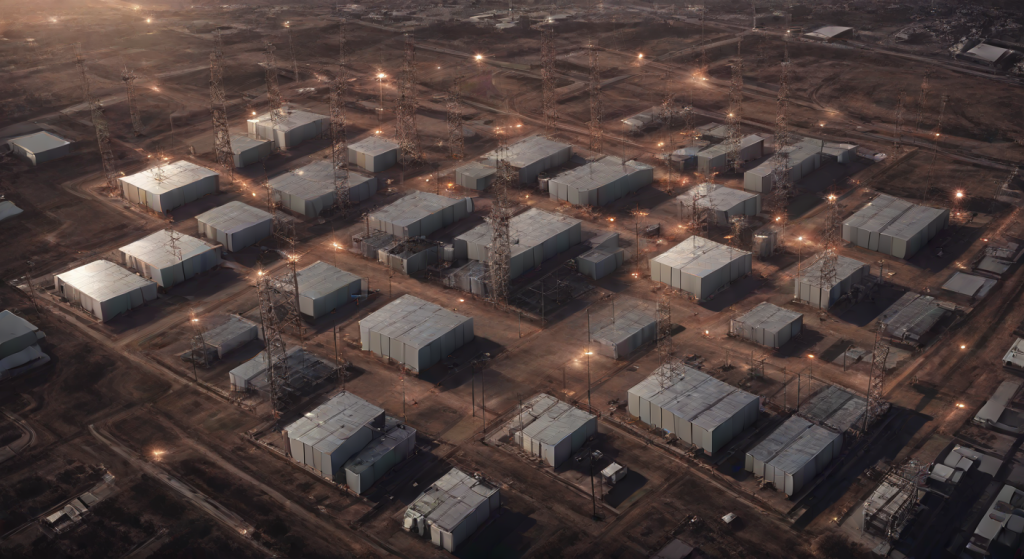
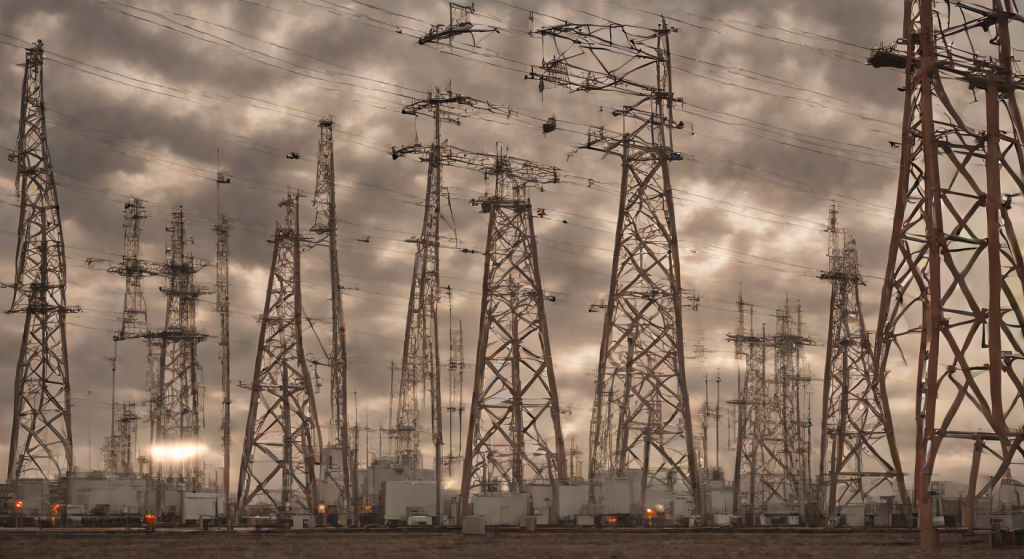
The U.S. faces a 30% shortfall in power transformer supply and a 10% gap in distribution transformers in 2025, according to Wood Mackenzie. For EV charging station developers, that shortage translates directly into interconnection delays: DC fast charger projects now wait six months to two years from utility application to energization, with high-powered fleet charging depots at the long end of that range.
The Scale of the Shortage
U.S. power transformer demand surged 116% since 2019. Distribution transformer demand rose 41% over the same period. Large power transformer lead times now average 128 weeks, with generator step-up units at 144 weeks. Pad-mount three-phase transformers, the specific units EV charging stations require, face worsening availability as data centers, manufacturing facilities, and charging infrastructure compete for the same equipment.
Prices reflect the squeeze. Unit costs increased 77% for power transformers and up to 95% for some distribution transformer classes since 2019. A transformer that cost $50,000 three years ago now costs $200,000 to $300,000. For a DC fast charging station installing four to eight ports at $70,000 to $200,000 per port, the transformer alone consumes a significant share of the total project budget.
Why EV Charging Is Especially Vulnerable
Level 2 chargers (7 to 19 kW) connect to existing service panels and face interconnection timelines of one day to six months. DC fast chargers (50 to 350 kW) require dedicated three-phase transformer service, pushing timelines to six months minimum. Fleet depot charging at megawatt scale demands utility-side infrastructure that takes 12 to 24 months to design, permit, and build.
Grid upgrade costs are unpredictable and project-specific. Sites where the distribution grid is fully utilized require transformer upgrades, new utility feeder connections, and trenching that developers cannot estimate until the utility completes an interconnection study. Nearly 80% of projects that withdraw from interconnection queues cite unpredictable multi-year delays and prohibitively high upgrade costs, with interconnection expenses consuming 30% to 37% of total project budgets for those abandoned projects.
Manufacturing Response
Equipment manufacturers announced $1.8 billion in new North American capacity expansions since 2023. Eaton committed $340 million to increase three-phase pad-mounted transformer production. Hitachi Energy expanded its Virginia manufacturing plant. Siemens invested in its North Carolina facility. The global transformer market reached $61.3 billion in 2025 and grows 6% to 7% annually.
The investments help but take years to produce results. New factory lines require 18 to 24 months to reach full production. The U.S. imports 80% of its power transformers and 50% of distribution transformers, exposing the supply chain to tariff risk. A proposed 50% duty on copper, effective August 2025, increases manufacturing costs further.
What Developers Do Now
The Department of Energy warns that unmanaged EV charging growth drives billions in grid upgrade costs over the next decade. Developers who engage utilities at the earliest project stage reduce cost surprises. Some operators, like WattEV, develop proprietary solid-state transformers to bypass the conventional equipment supply chain entirely. Others co-locate charging with existing high-voltage commercial or industrial service to avoid new transformer installations.
Forty million U.S. distribution transformers are beyond their intended service life. The EV charging buildout competes with basic grid maintenance for the same limited supply of replacement units. Until manufacturing catches up, the transformer is the binding constraint on how fast the U.S. builds its charging network.
Sources: Transformer Magazine, NPC Electric
Critical Analysis
DC fast chargers (50-350 kW) are 6-pulse rectifier loads that inject characteristic 5th and 7th order current harmonics into the distribution system; IEEE 519-2022 Table 2 limits TDD to 5% for commercial service points where ISC/IL < 20, and each charger individually may approach this limit. The 30% national transformer supply shortfall and 128-week average lead times for large power transformers extend EV charging interconnection from utility application to energization by 6-24 months.
5-Year Projection
The 5-year trajectory indicates severe supply chain bottlenecks for EV Charging, pushing developers toward alternative topologies and domestic manufacturing pipelines.
Critical Perspective
The 30% power transformer shortfall and 116% demand surge since 2019 are documented, but Wood Mackenzie’s supply expansion forecast assumes US domestic transformer manufacturing capacity grows 40% by 2027 — a projection requiring capital investment decisions that none of the three major US manufacturers have publicly announced. The article frames transformer shortage as a procurement problem for EV charging developers, but Tesla’s Supercharger network has been systematically pre-purchasing transformer allocations since 2022, effectively securing supply that independent charging operators cannot access at any price. ABB’s Power Grids division reported in 2024 that large power transformer order backlogs extended to 2027 with spot market premiums reaching 35% above contract pricing, suggesting the shortage will not resolve on the timeline that EV charging deployment targets assume. If transformer lead times average 128 weeks for large units and charging depot timelines run two years, how many of the 500,000 public charging stations targeted by 2030 have already secured grid connection commitments?