Schneider Electric Launches $7.5B Resilient Infrastructure

Key Facts
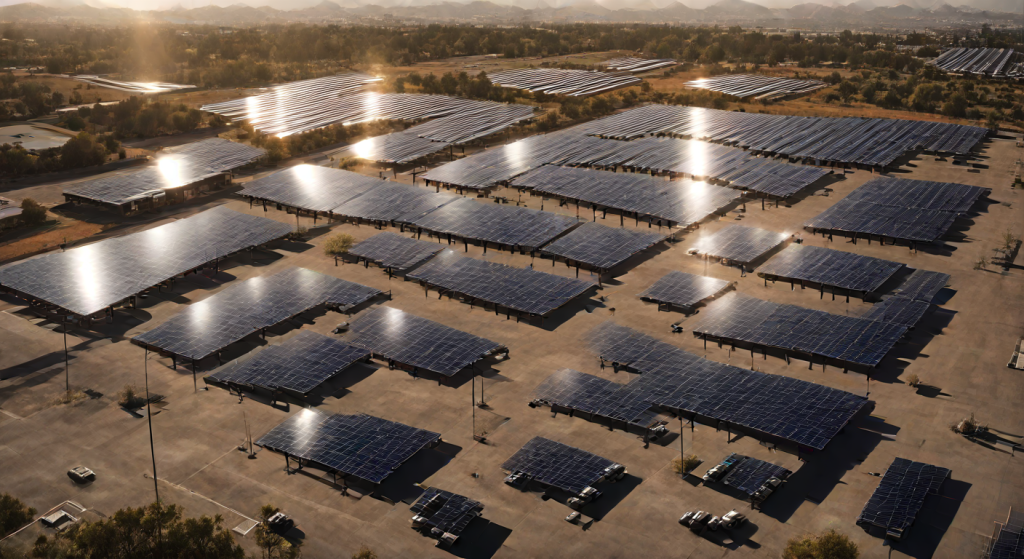
  • Schneider Electric and 20+ partners identified $7.5 billion to finance U.S. energy resilience projects for hospitals, airports, campuses, and municipal facilities
  • EcoStruxure Microgrid Flex reduces interconnection timelines from 123 weeks to 40 weeks, a 60 percent reduction over standard utility processes
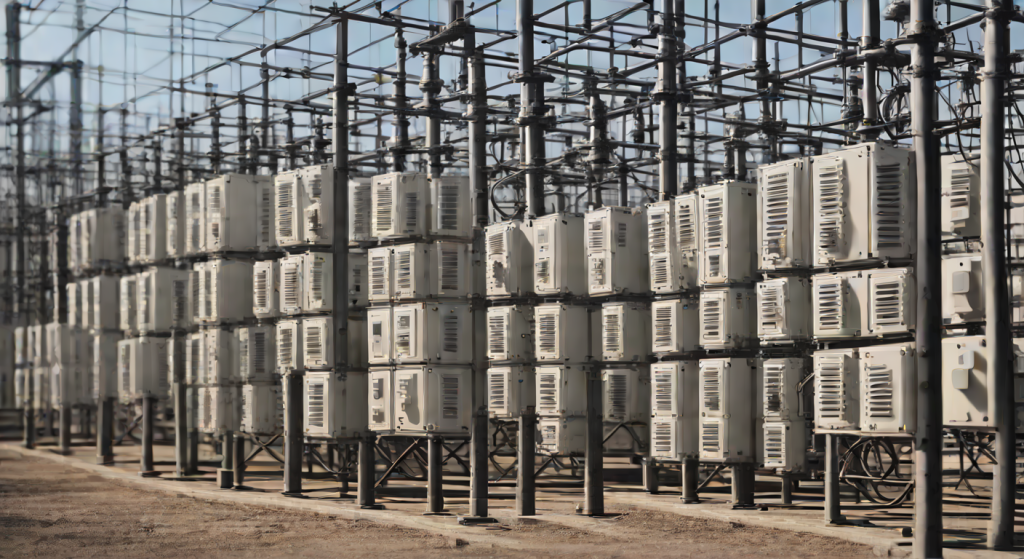
  • Platform supports 300 kW to 5 MW commercial and industrial microgrids combining solar, battery storage, fuel cells, and flexible generators
  • By 2028 U.S. peak electricity supply is projected to fall short of peak demand; power outages cost the economy an estimated $150 billion per year
  • Partner developers include AlphaStruxure, AZZO, EVerged, Unison Energy, Verdant Microgrid, and Sunrock; financing structured as Energy-as-a-Service and ESPCs
Listen to this article
“`html Schneider Electric, alongside a coalition of energy providers, has announced the Accelerating Resilient Infrastructure Initiative, pledging $7.5 billion to deploy distributed energy resources (DERs) at commercial and industrial (C&I) facilities across the United States. The initiative, launched in September 2025, centers on Schneider’s EcoStruxure Microgrid Flex platform as the control and integration system for these projects. (Source: Schneider Electric press release) What Was Announced The core of the announcement is a substantial financial commitment of $7.5 billion from Schneider Electric and its partners. This capital is earmarked for the development and installation of microgrids, primarily at C&I sites. The EcoStruxure Microgrid Flex platform is designated as the central nervous system for these microgrid deployments, managing the interplay of various energy assets. What’s Genuinely New While microgrids are not new, the scale of this coordinated financial commitment and the specific focus on standardizing deployment through a single control platform are notable. The EcoStruxure Microgrid Flex platform itself has evolved. Originally launched in May 2023 as a controls-only product, it gained an integrated battery energy storage system (BESS) hardware option in April 2024. This integration aims to streamline balance-of-system costs by consolidating components like the battery management system and microgrid controller into a single, factory-tested enclosure. (Source: Schneider Electric press release) Why It Matters For C&I facilities, particularly those with average demands exceeding 500 kW, the initiative promises enhanced grid resilience and potentially reduced energy costs. Schneider claims the Microgrid Flex platform can accelerate utility interconnection timelines by 60 percent, citing pre-certified IEEE 1547-2018 compliance profiles and factory-validated inverter settings. This pre-certification is intended to bypass lengthy engineering review cycles that typically add four to eight months to project schedules. (Source: Schneider Electric press release) Critical Perspective While the $7.5 billion figure is significant, the actual deployment timeline and the success rate of these standardized microgrids remain to be seen. The initiative relies heavily on the EcoStruxure Microgrid Flex platform’s ability to deliver on its promise of accelerated interconnections and cost reductions across a diverse range of C&I sites. The track record of this Schneider Electric Launches $7.5B Resilient Infras7.5 bill7.5 bill7.5 billItem 1Item 2Item 3

Related Coverage

Project Timeline
8 updatesFirst seen Sep 18, 2025Latest Jun 2, 2026This article #1
Sep 2025
3 src
Jun 2026
1 src
Jun 2026
1 src
Jun 2026
1 src
Jun 2026
1 src
Jun 2026
17 src
Jun 2026
1 src
Jun 2026
1 src

Related post