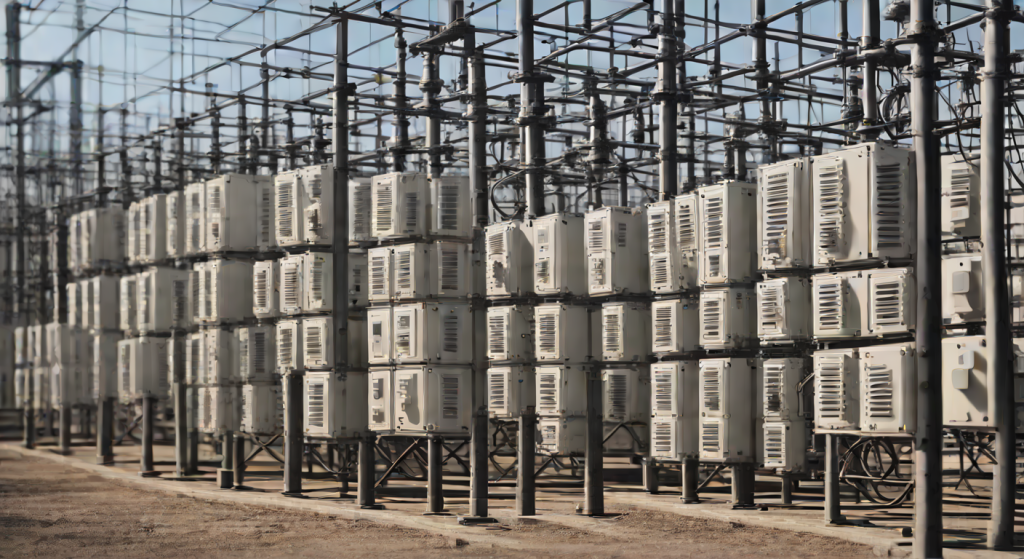
Transpower Commissions NZ$58M STATCOM at Otahuhu, Auckland
- News Power Quality Voltage & Reactive Power
Marin Holt
- 0
- 4 minutes read
- Transpower commissioned a 150 MVAr STATCOM at Otahuhu substation in Auckland in April 2025.
- The Otahuhu STATCOM cost approximately NZ$58 million, the second of two under the WUNI project.
- The Hamilton STATCOM, commissioned July 2023, cost approximately NZ$43 million.
- Together the two STATCOMs represent NZ$101 million of the NZ$144 million WUNI Stage 1 budget.
- North Island electricity demand is forecast to rise 70% by 2050 due to electrification and data center growth.
Transpower, New Zealand’s national grid operator, has commissioned a ±150 MVAr static synchronous compensator (STATCOM) at its Otahuhu substation in Auckland in April 2025, completing the second stage of a NZ$144 million voltage stabilization project for the North Island. The installation, built by Hitachi Energy using SVC Light® technology, provides dynamic reactive power compensation within milliseconds to maintain voltage stability as the grid absorbs more renewable generation, according to the company.
Why It Matters
This significant investment in grid infrastructure is crucial for New Zealand’s transition to a more sustainable energy future. The addition of the STATCOM at Otahuhu will enhance the grid’s ability to manage the variability inherent in renewable energy sources, such as solar and wind power. This capability is essential as New Zealand aims to increase its share of renewable energy generation, which currently stands at approximately 80% of the country’s total electricity supply, as per government statistics. By improving voltage stability, the project contributes to the reliability and resilience of the national grid, ensuring a more consistent and stable supply of electricity to consumers.
The project’s impact extends beyond immediate voltage control. It supports the integration of intermittent renewable energy into the grid, which is vital for reducing the country’s carbon footprint and meeting its climate change commitments. The NZ$144 million investment also stimulates economic activity in the energy sector, potentially creating jobs and fostering technological advancements in grid management.
Critical Perspective
While the benefits of the STATCOM installation are clear, it is important to consider the broader context of New Zealand’s energy infrastructure. The success of such projects relies on the continued development and modernization of the entire grid. There are risks associated with over-reliance on a single technology or solution; therefore, a diversified approach to grid enhancement and energy generation is necessary to ensure long-term stability and sustainability. Additionally, the cost-effectiveness and scalability of the technology used must be evaluated against the backdrop of evolving energy demands and environmental challenges.