Lightshift Energy Installs 16 MW BESS at Vermont Semiconductor
- Demand Charge Reduction Energy Storage News
Marin Holt
- 2
- 5 minutes read
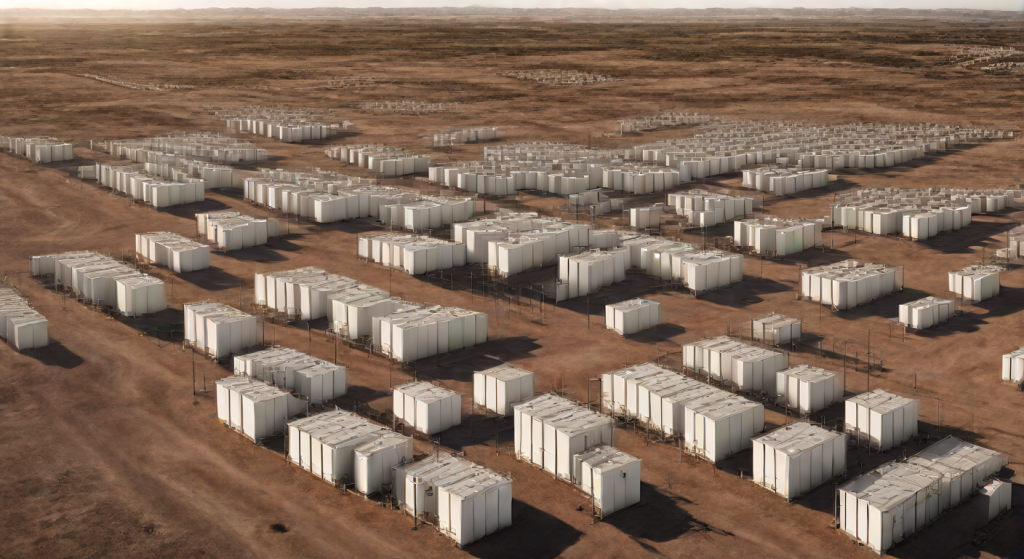
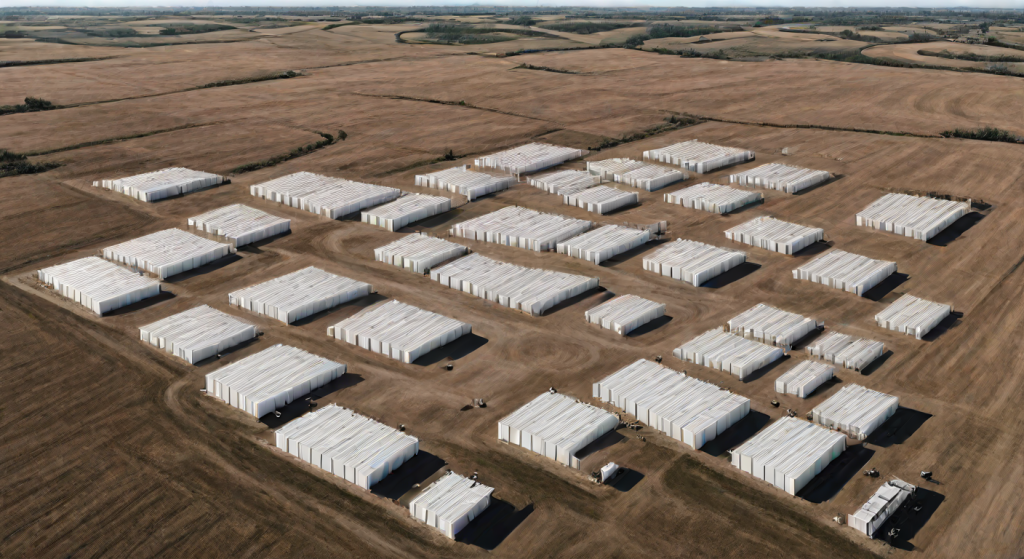
Lightshift Energy is installing a 16 MW / 52 MWh Battery energy storage system behind the meter at GlobalFoundries’ semiconductor fabrication plant in Essex Junction, Vermont , the state’s largest battery storage project to date. The system will discharge during peak demand periods to cover roughly 40 percent of the facility’s electrical load, reducing demand charges that run approximately $25 per kilowatt-month when combining transmission, capacity, and network service fees under Vermont’s rate structure.
What Is Being Built
Lightshift Energy, formerly known as Delorean Power, won the contract through a competitive RFP after a 12-month development partnership with GlobalFoundries. The battery operates at the plant’s switchyard within the ISO New England grid, storing electricity during off-peak hours and discharging when demand peaks. Because semiconductor manufacturing equipment is sensitive to voltage anomalies, Lightshift’s engineers conducted detailed harmonic studies, voltage fluctuation analysis, and power flow simulations before finalizing the design.
Construction began in summer 2025, with commissioning targeted for Q1 2026. GlobalFoundries’ Essex Junction campus is one of only two 200mm semiconductor fabrication facilities in the United States and received a $1.5 billion CHIPS Act modernization grant, making electricity cost management a strategic priority at the site.
Critical Perspective
The 16 MW / 52 MWh BESS being installed by Lightshift Energy at GlobalFoundries covers approximately 40 percent of the facility’s peak load according to project documents, but that figure assumes a load profile consistent with the harmonic studies conducted prior to design finalization. Semiconductor fabrication equipment draws highly variable power across different production states, and actual demand charge savings depend on the battery discharging at precisely the right moments across a Vermont ISO-NE rate structure that bundles transmission, capacity, and network service fees. The BESS reduces the visible peak demand that ISO-NE counts but does not contribute to formal capacity resources under the Forward Capacity Market, leaving GlobalFoundries’ capacity obligation unchanged. Lightshift’s reference to the $1.5 billion CHIPS Act modernization grant provides context for GlobalFoundries’ investment priorities but does not make this storage project federally funded; the $75 million KeyBanc project finance facility covers the deployment under commercial terms not disclosed in the announcement.
Why It Matters
Vermont’s combination of transmission constraints, rising capacity charges, and local network service fees makes demand charges unusually expensive for large industrial consumers. At roughly $25 per kilowatt-month, a facility drawing peak loads in the megawatt range faces annual demand charge bills in the millions. A 16 MW battery capable of shaving 40 percent of peak load eliminates a significant portion of that cost without requiring grid upgrades or additional generation.
Lightshift backed the project with $180 million in prior equity funding, with more than half from Greenbacker Capital Management, and secured a $75 million project finance facility through KeyBanc Capital Markets in October 2025 covering this and other Northeast storage projects. Co-founder Michael Herbert noted the GlobalFoundries installation demonstrates how behind-the-meter storage can serve both industrial cost management and regional grid reliability , reducing the peak load that ISO New England must procure capacity to meet.