Industrial DC Processes Are an Underdeveloped Solid-State Transformer Market: Electric Arc Furnaces, Chlor-Alkali Electrolysis, and Hydrogen Electrolysers

- Largest DC EAF: Tokyo Steel 420-tonne tap weight, eight 32 MVA transformers = 256 MVA total
- Global chlor-alkali electrolysis: ~95 Mt/yr, ~2,500-3,000 kWh DC per tonne chlorine, dominated by 60-year-old SCR bridges
- Hydrogen electrolysers: most attractive underdeveloped SST market, multi-MW to tens-of-MW DC at variable-source AC interface
- Industrial customer procurement on cost-per-kW over multi-decade life vs AI data center premium tolerance
- Plausibly $1B+/yr SST market opportunity by 2030 in green hydrogen electrolyser interconnect
The trade-press coverage of solid-state transformers (SSTs) in 2025 and 2026 has been dominated by AI data center applications. The largest industrial DC loads on the global grid are not in data centers, however, and the established commercial path for high-current DC industrial processes — direct-current electric arc furnaces (DC EAFs) in steel manufacturing, chlor-alkali electrolysers in chemical production, and the rapidly growing hydrogen-electrolyser sector — has used solid-state rectifiers for decades. Whether and when these industrial markets adopt modern SST architectures rather than their historical solid-state-rectifier hardware is an underdeveloped commercial question.
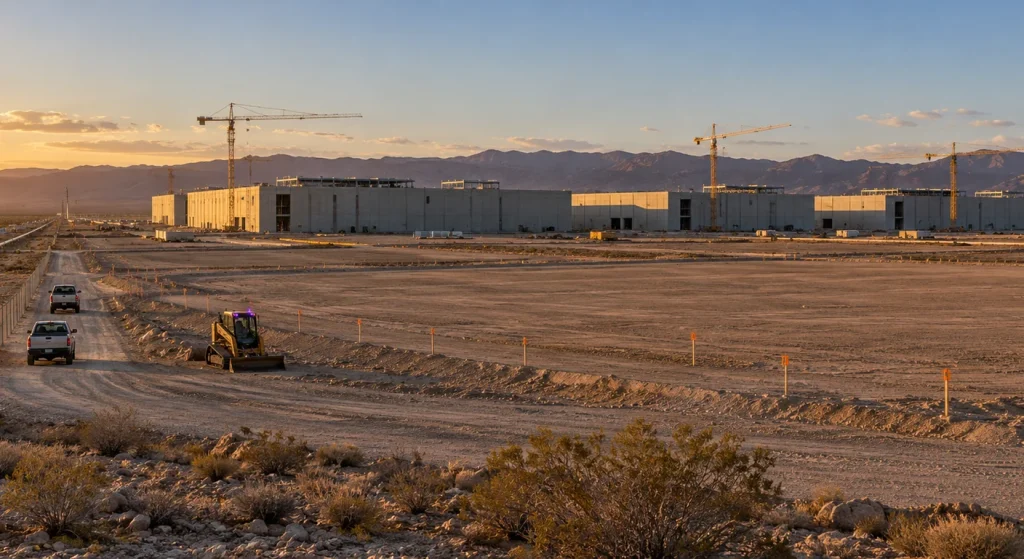
Direct-current electric arc furnaces are the largest individual industrial DC loads on the grid. Tokyo Steel in Japan operates the largest single scrap-only DC arc furnace at 420-tonne tap weight, fed by eight 32 MVA transformers for 256 MVA total power. DC EAFs use solid-state rectifiers (thyristor- or IGBT-based) to convert utility AC to the high-current low-voltage DC that the arc requires. A modern SST architecture could replace the conventional step-down transformer plus rectifier with an integrated MV-input direct-DC-output unit, with intrinsic harmonic suppression and power-factor correction. The trade-off is that EAF transformer reliability under the extreme short-circuit and load-cycling profile of arc-furnace operation is a multi-decade qualification problem the SST industry has not yet solved.
Chlor-alkali electrolysis (the process that produces chlorine, sodium hydroxide, and hydrogen from brine) is the second-largest industrial DC load category. Global chlor-alkali capacity is approximately 95 million tonnes per year, consuming on the order of 2,500 to 3,000 kilowatt-hours of DC electricity per tonne of chlorine. The DC supply equipment is dominated by silicon-controlled-rectifier (SCR) bridges that have been in production for sixty years. SST adoption in chlor-alkali is plausible but the SCR cost-per-kilowatt benchmark is extremely low and the operating tempo (24/7 base-load at constant DC voltage) is exactly where conventional thyristor rectifiers excel.
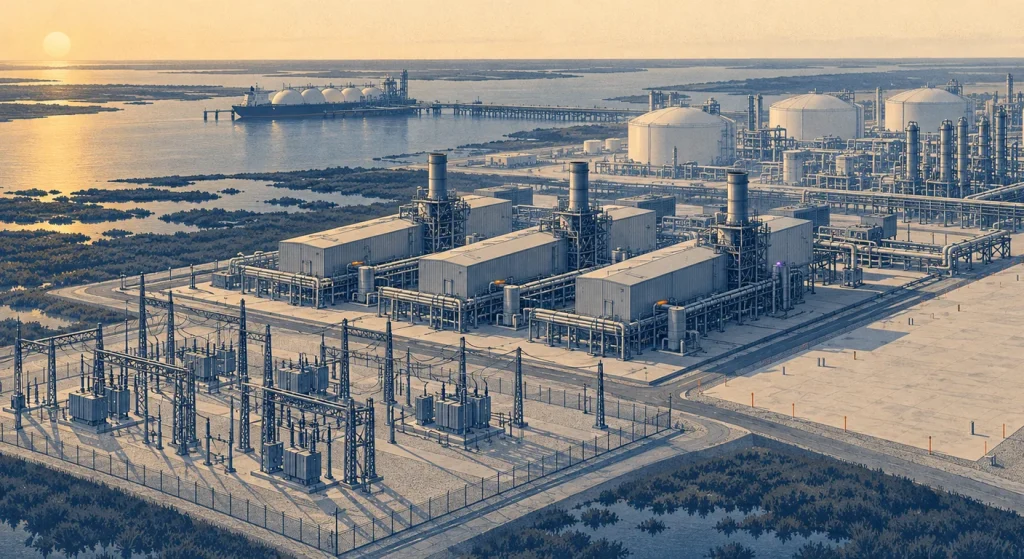
Hydrogen electrolysers are the most interesting underdeveloped SST market. Green-hydrogen production at utility scale requires multi-megawatt to tens-of-megawatt DC supply equipment. The electrolyser load is fundamentally compatible with intermittent renewable energy sources — solar and wind — which produce variable AC output. An SST sits naturally at the AC-DC interface between a variable renewable source and an electrolyser cell stack and can deliver both the rectification function and the upstream-grid power-quality compensation that an intermittent-source connection requires. SST-based electrolyser interconnect is plausibly a $1 billion-plus annual market opportunity by 2030.
The reason these industrial DC markets have not yet attracted the venture capital or established-manufacturer focus that AI data centers have attracted is mostly margin structure. Industrial customers procure on cost-per-kilowatt over multi-decade service life and are less willing to pay a premium for the integration density and active control features that AI data center operators value highly. Whether the SST industry expands into industrial DC markets as it scales, or whether industrial DC remains a separate technology track running on conventional thyristor and IGBT rectifiers, is an open commercial question for the late 2020s.
Why It Matters
The industrial DC markets — 256 MVA DC arc furnace installations like Tokyo Steel’s scrap-only plant, 95 million tonnes per year of global chlor-alkali production consuming 2,500-3,000 kWh of DC electricity per tonne, and utility-scale hydrogen electrolysers — represent a cumulative annual DC power-equipment opportunity the SST industry’s venture-capital focus on AI data centers has largely bypassed. The hydrogen electrolyser segment is the most structurally attractive: the load’s compatibility with intermittent solar and wind sources makes an SST at the AC-DC interface a natural fit, and the market is plausibly a $1 billion-plus annual opportunity by 2030. Whether SST manufacturers expand into these industrial DC markets as production scales, or whether cost-per-kilowatt competition from incumbents’ 60-year-old thyristor rectifiers preserves the conventional technology, will depend on how aggressively manufacturers pursue margin compression through volume.
Critical Perspective
Editorial correction: This post is part of MGRID’s Solid-State Transformer industry coverage. As of May 2026, that body of work systematically framed manufacturer announcements, funding rounds, and laboratory demonstrations as commercial deployments. The reality is that field-deployed commercial-class SST in revenue service globally is measured in single digits, and almost every product cited in this series is at “announced” or “funded” stage, not “operational.” Readers should treat the specific claims in this post against the standards documented in our SST Industry Reality Check (the per-claim audit table maps marketing language to verifiable deployment status). The corrective article is the canonical reference for SST industry reality; this post remains published with its original framing so the editorial drift is traceable.