DERs & Microgrids: Key to Grid Modernization
- Microgrids News On-Site Generation & Microgrids
Marin Holt
- 1
- 4 minutes read
- DERs and microgrids are central to modernizing the power grid.
- DERs can provide capacity during peak load times.
- Microgrids provide reliability for remote and critical infrastructure areas.
- DERs offer protection during main grid failures.
- Generating electricity closer to consumption minimizes transmission losses.
Distributed energy resources (DERs) and microgrids are increasingly central to modernizing the power grid, offering enhanced reliability and resilience, according to recent discussions in the energy sector.
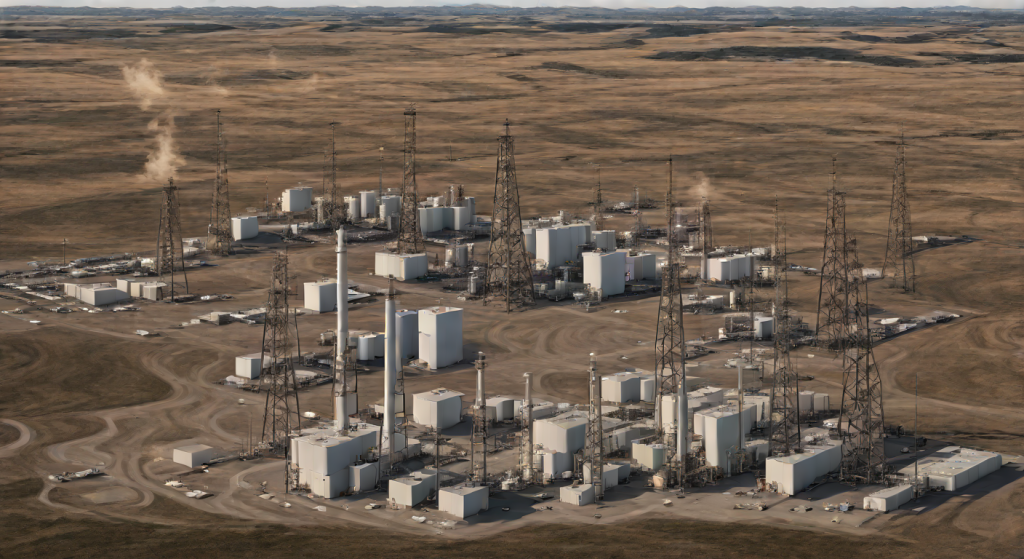
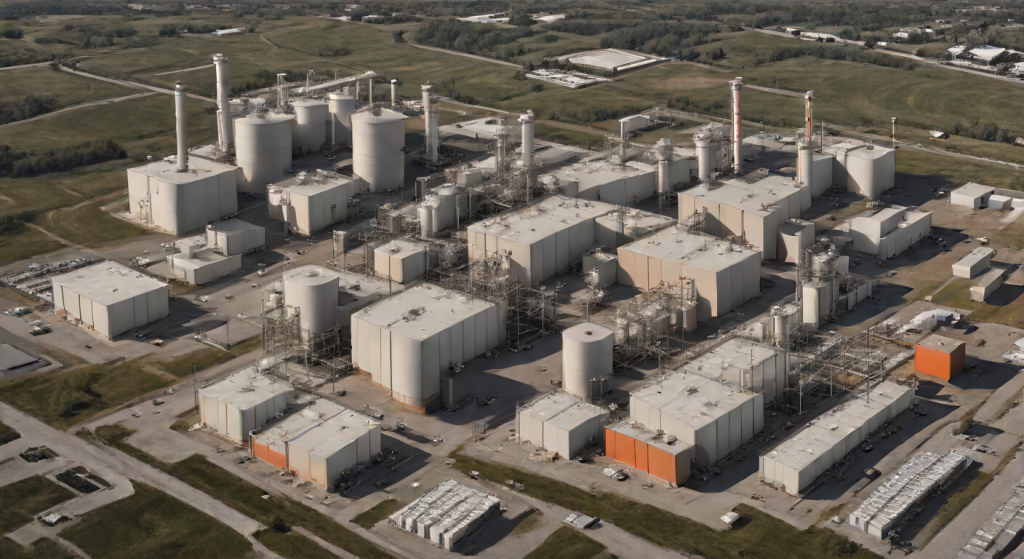
These smaller-scale energy generation systems, which can include both fossil fuels and renewable sources, are playing a significant role in demand response and energy efficiency efforts. Utilities and independent power producers are recognizing the capacity DERs can provide during peak load times, thereby mitigating the risk of power outages.
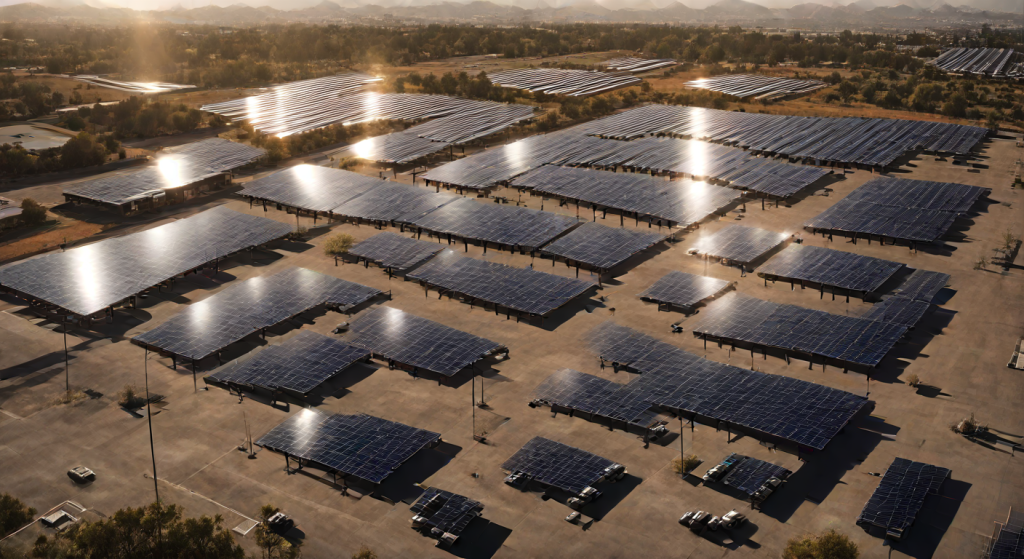
Microgrids, in particular, are becoming a substantial contributor to the power supply, providing reliability for both remote, off-grid locations and areas requiring uninterrupted power for critical infrastructure.
Why It Matters
The growing integration of DERs and microgrids addresses several key concerns within the energy landscape:
- Backup Power: DERs offer a crucial layer of protection, ensuring that homes, businesses, and essential services can continue operating during main grid failures.
- Enhanced Reliability: Microgrids, functioning as interconnected groups of DERs, can operate independently, bolstering the reliability of power for specific communities or critical facilities.
- Reduced Transmission Losses: Generating electricity closer to the point of consumption minimizes the energy lost during long-distance transmission, a significant factor in overall grid efficiency.
- Cost Savings: By providing power and services locally, DERs can help lower energy costs for consumers, a particularly relevant benefit amid discussions of high power prices.
Critical Perspective
While DERs and microgrids offer substantial benefits, their widespread adoption is part of a broader grid modernization effort. Experts highlight that these distributed systems are not just about backup power but are becoming fundamental components in reshaping how electricity is generated and delivered, aiming for a more robust and cost-effective energy future.