Avista Commissions Eastern Washington First Community Microgrid
- Microgrids News On-Site Generation & Microgrids
Marin Holt
- 0
- 4 minutes read
Key Facts
- Project Cost: Over $2 million
- Emergency Capacity: 400 people during outages
- Energy Sources: Rooftop solar, battery storage, natural gas backup generator
- Funding Sources: Avista Named Communities Investment Fund and Washington State Department of Commerce grants
- Construction Timeline: 3 years from planning to commissioning
The System
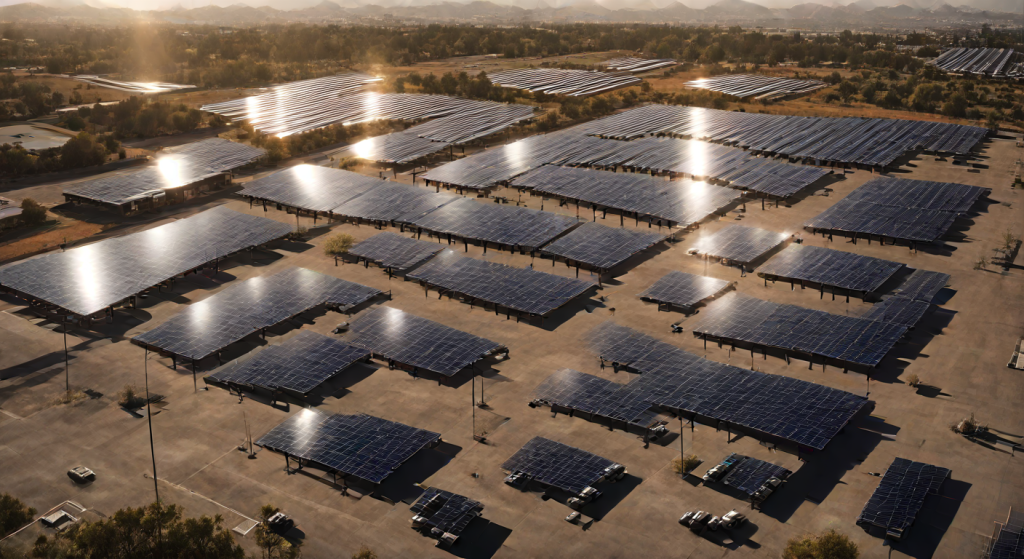
The microgrid is situated at the Dr. Martin Luther King Jr. Family Outreach Center in Spokane. Its technology includes rooftop solar panels on the MLK Center building, a battery storage system adjacent to the main parking lot, and a natural gas backup generator. The system is designed to maintain full operation of the MLK Center during extended grid outages, with a capacity to support up to 400 individuals during emergencies. Avista Utilities owns the system, with funding sourced from Avista’s Named Communities Investment Fund (NCIF), a grant program established under Washington’s Clean Energy Transformation Act, and direct grants from the Washington State Department of Commerce. Mike Diedesch, manager of Avista’s Grid Innovation Lab, oversaw the technical build-out. The project was commissioned on May 12, 2026.Why It Matters
This microgrid enters the market as a demonstration of localized energy resilience for community facilities. Avista identifies the MLK Center’s neighborhood, East Central Spokane, as a Named Community for environmental justice investment. The system is intended to keep the MLK Center operational as a community resilience hub during emergencies such as wildfire smoke events, ice storms, or extreme heat. Avista CEO Heather Rosentrater stated that the need for cooling and heating centers with dispatchable backup power will increase due to more severe climate-driven weather events. Spokane Mayor Lisa Brown highlighted the MLK Center’s role in serving food-insecure households and after-school youth programs, emphasizing their reliance on uninterrupted refrigeration and HVAC.Critical Perspective
Avista has not publicly disclosed specific technical details of the microgrid, including the rated solar PV capacity, the battery storage rating in kilowatt-hours, the natural gas generator nameplate rating, or the identity of the microgrid controller vendor. The utility framed the project as part of its broader 2026 grid modernization plan. The MLK Center microgrid is a small project by industrial-microgrid standards and does not displace utility capacity in a measurable way. Avista is not procuring the project under FERC’s storage capacity rules. The strategic value is described as local resilience and a replicable template for Avista’s future community resilience hubs. Avista has not announced a second community microgrid project or a target for community resilience hubs by 2030.Related Coverage
On the Ground
LocationSpokane, WA
StageCommissioned